Farmhouse cottage interiors ideas
What Defines a Farmhouse Cottage Interior
Farmhouse cottage interiors combine the warmth of rural living with the comfort of a small, well-loved home, creating spaces that feel relaxed, welcoming, and timeless. Key elements include natural wood, soft neutral colours, textured fabrics, and practical furniture that looks beautiful because it is genuinely useful. Unlike formal or ultra-modern styles, farmhouse cottage design celebrates imperfections, such as weathered wood, handmade pottery, and vintage finds that carry stories. Rooms feel layered rather than staged, with throws, baskets, plants, and books adding personality over time. The style also values light, with white or cream walls, sheer curtains, and mirrors helping small cottages feel bright and airy. Ultimately, a farmhouse cottage interior is not about following a strict formula, but about creating a home where family and friends feel instantly at ease.
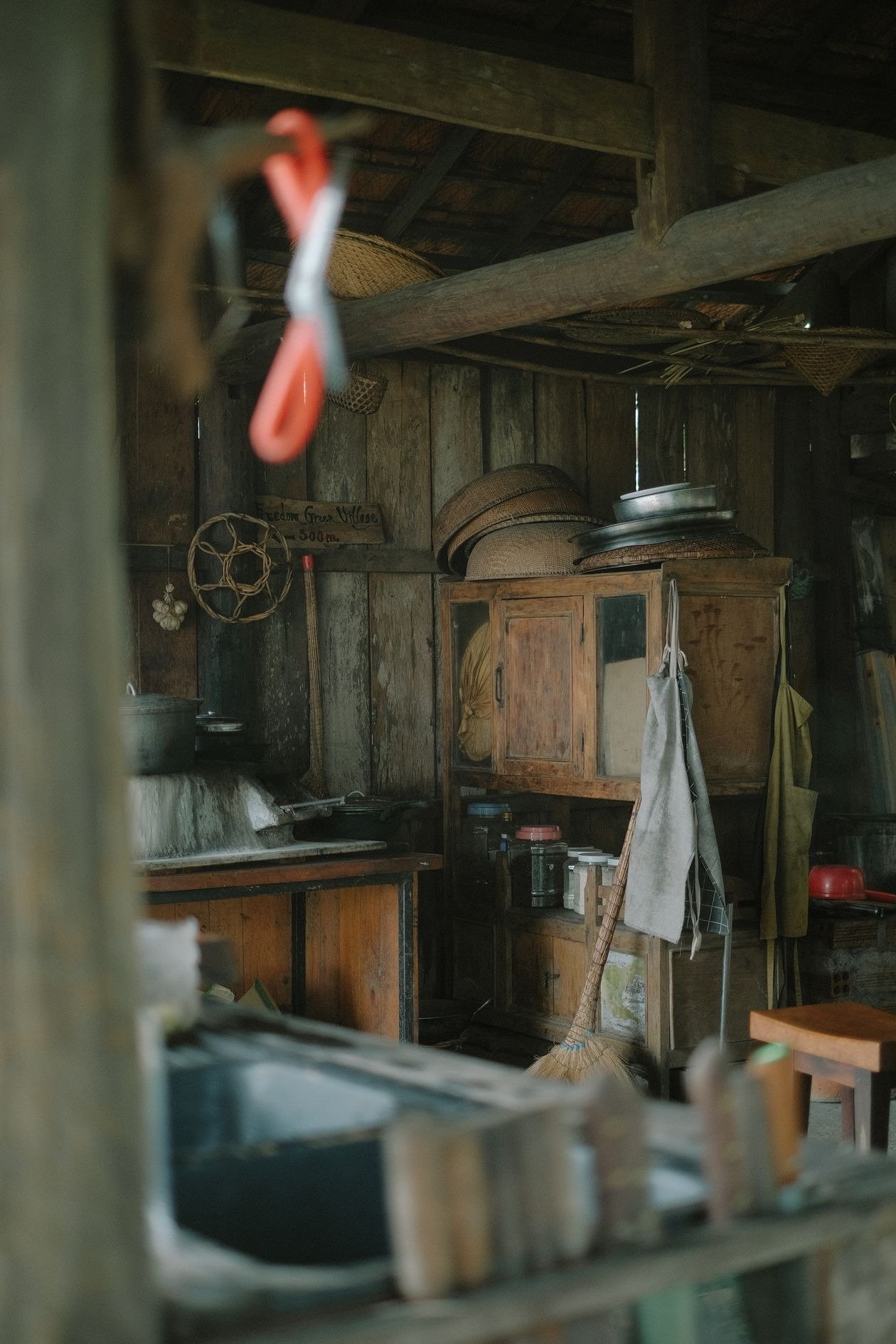
Choosing a Warm Neutral Colour Palette
A warm neutral palette forms the foundation of farmhouse cottage interiors, allowing natural materials and textures to shine. Soft whites, warm creams, gentle greys, and muted beiges create a calm backdrop, while sage green, dusty blue, or warm terracotta can be added as accents. Paint walls in a warm white rather than a stark, cool white, because warmth makes small rooms feel inviting rather than clinical. Use the same neutral family throughout the home, varying shades slightly from room to room, so spaces flow together naturally. Add colour through textiles, artwork, and plants rather than bold wall colours, because these are easier to change with seasons and moods. A restrained palette also makes vintage pieces and wooden furniture stand out, giving the home a cohesive, collected-over-time feeling that defines cottage style.
Accent colours should be used sparingly, with one main accent per room and a second accent appearing only in small touches. This restraint keeps cottage interiors calm, and it allows seasonal changes, such as swapping cushion covers, to refresh a room without repainting.

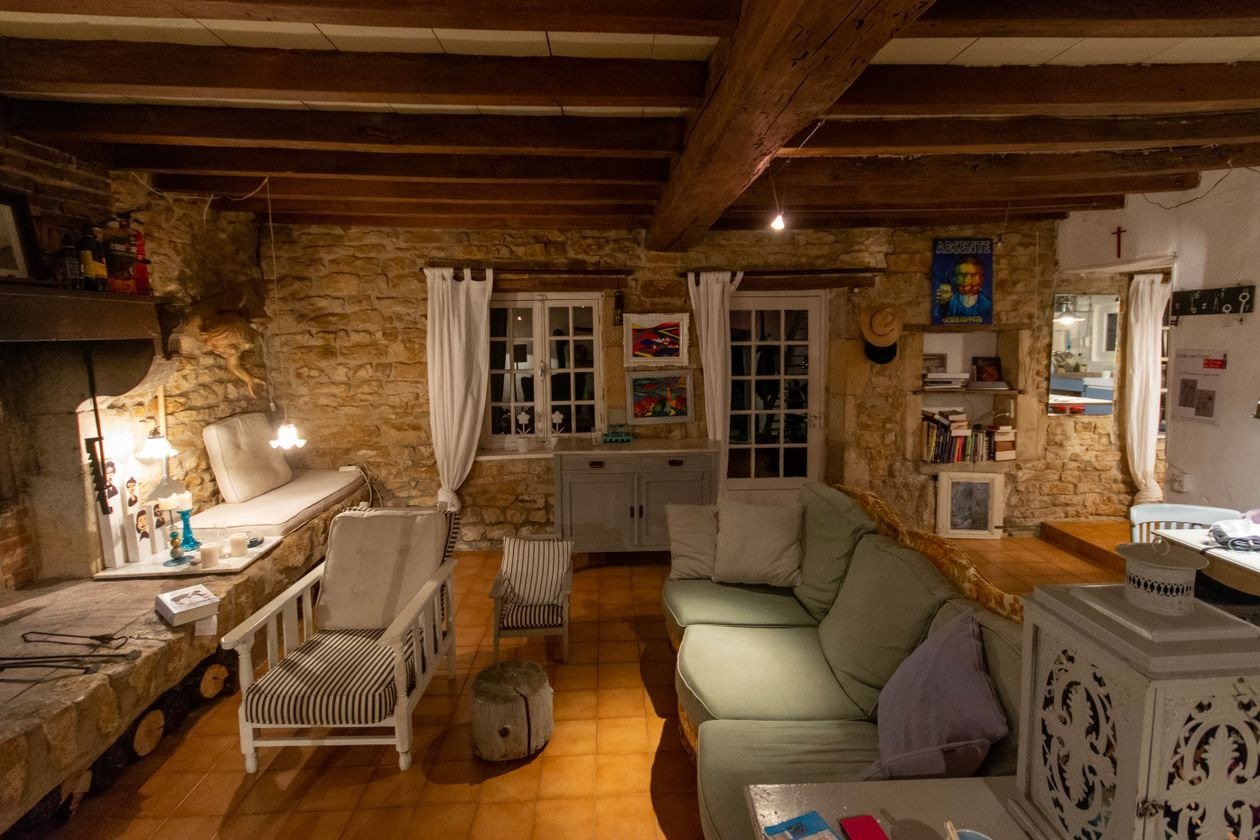
Natural Wood Beams and Rustic Ceilings
Exposed wooden beams instantly give a cottage its farmhouse character, adding warmth, structure, and a sense of history to ceilings. In homes without original beams, reclaimed wood or lightweight faux beams can achieve a similar look, especially when stained in a warm, natural tone. Pair beams with white or cream ceilings so rooms remain bright, and keep other ceiling details simple to avoid visual clutter. Wooden ceilings also work beautifully in kitchens and bedrooms, where they add cosiness without overwhelming smaller spaces. If beams feel too dark, whitewashing them softens the effect while preserving texture and grain. Whether original or added, beams should feel proportionate to the room, with wider beams suiting larger spaces and slimmer beams better for low ceilings and compact cottages.
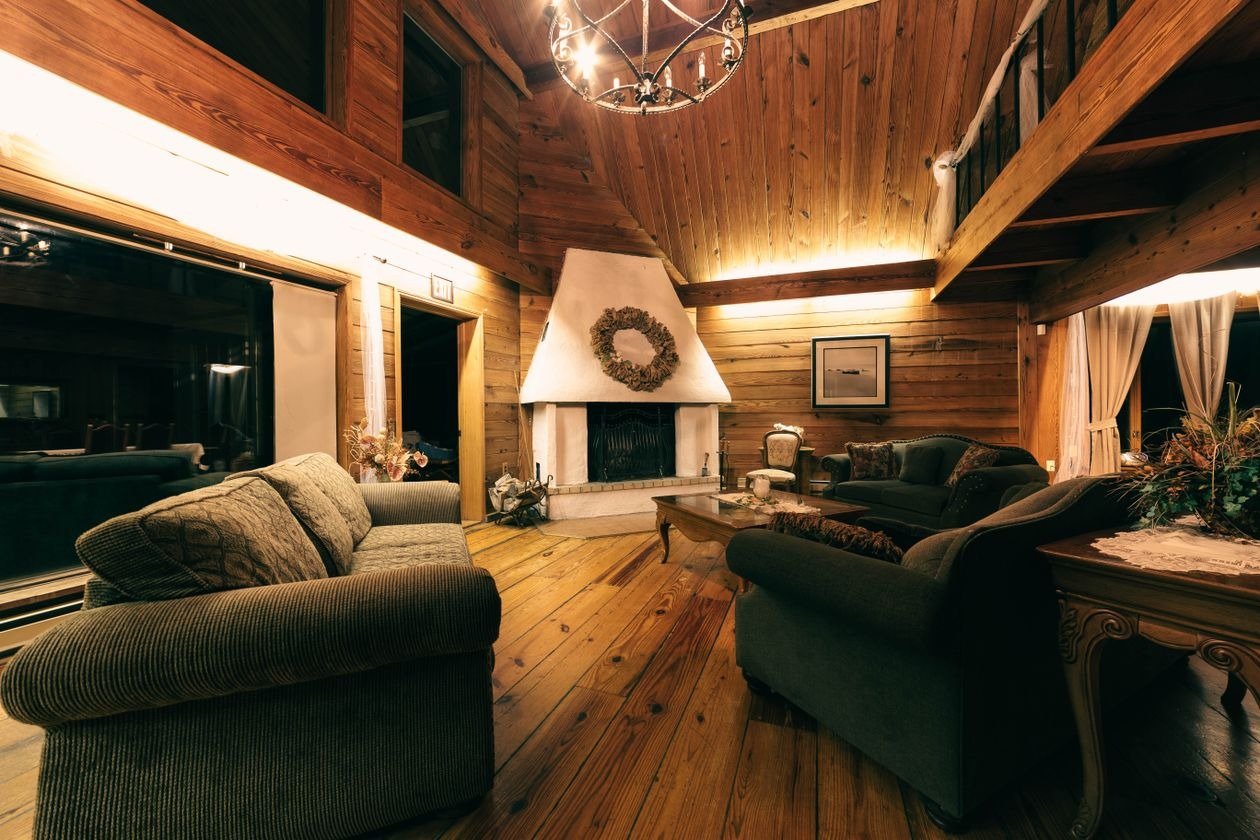
Cozy Living Rooms with Fireplaces
A fireplace often becomes the heart of a farmhouse cottage living room, offering warmth, a natural gathering point, and a place to display treasured items. Simple surrounds in whitewashed brick, stone, or painted wood suit cottage style better than ornate marble, keeping the focus on comfort. Arrange seating around the fireplace in a conversational layout, with a comfortable sofa, armchairs, and a soft rug anchoring the space. Decorate the mantel sparingly, using candles, greenery, framed photographs, and a mirror or piece of artwork as focal points. In homes without a working fireplace, an electric stove or a styled, non-working fireplace with candles can create a similar cosy effect. A living room built around warmth and conversation feels inviting in every season, especially on cold evenings when family gathers close.
Seating should prioritise comfort over formality, with deep cushions, soft throws, and side tables within reach for drinks and books. A cottage living room works best when guests naturally settle in, rather than perching politely on furniture that looks too precious to use.
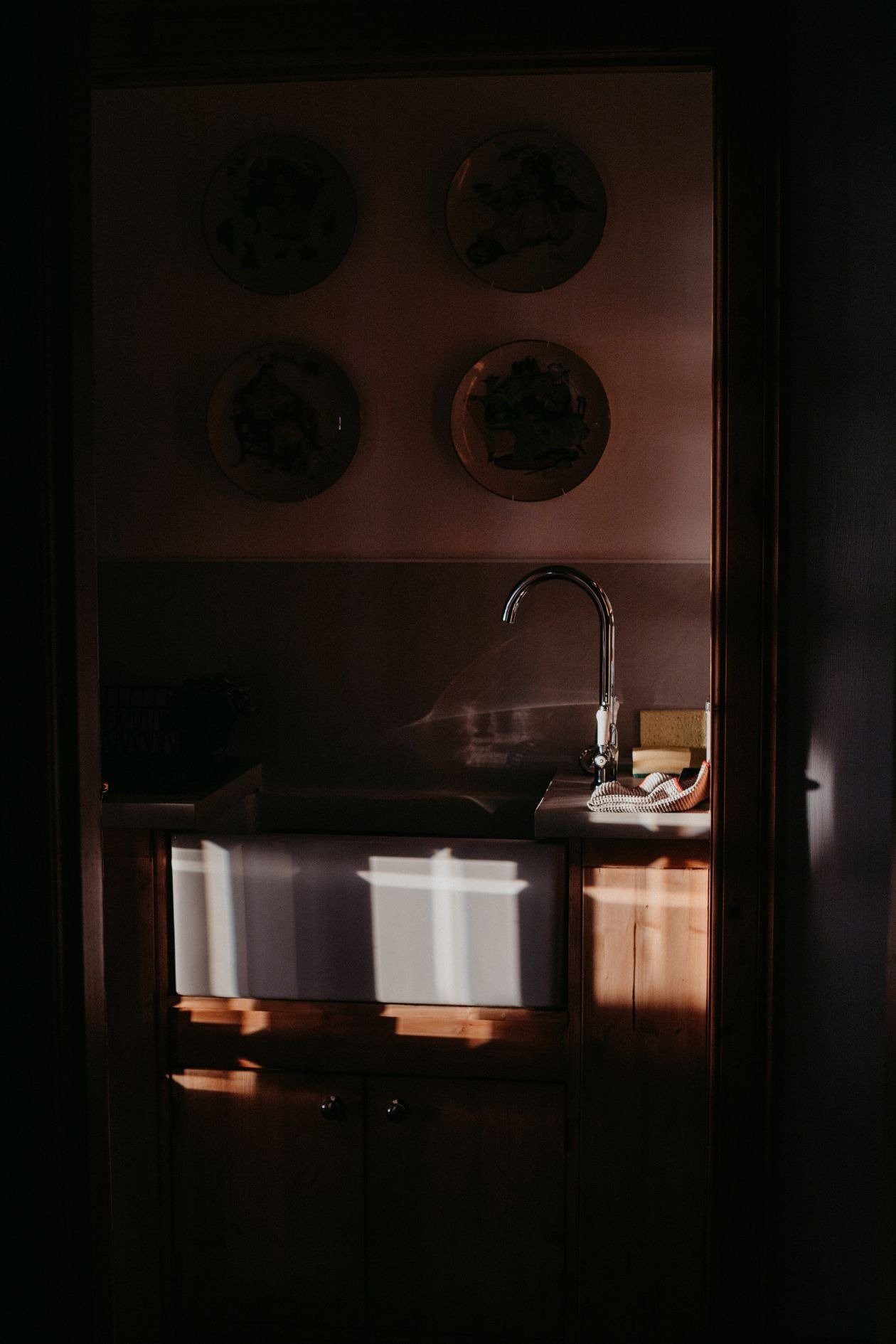
Farmhouse Cottage Kitchens with Open Shelving
Farmhouse kitchens balance practicality and charm, and open shelving is one of their most recognisable features. Replacing upper cabinets with wooden shelves displays everyday dishes, glassware, and pottery, making kitchens feel open and personal. Keep shelves tidy and intentional, grouping similar items together and leaving breathing space between groups. A large farmhouse sink, butcher block counters, and a wooden dining table complete the look, while a freestanding dresser or pantry adds storage without built-in bulk. Choose hardware in matte black or brushed brass for a timeless finish, and add baskets for produce, linens, and cleaning supplies. Open shelving works best when items are genuinely used daily, because a kitchen that looks lived-in feels far more welcoming than one arranged purely for photographs.
Bedrooms That Feel Like a Retreat
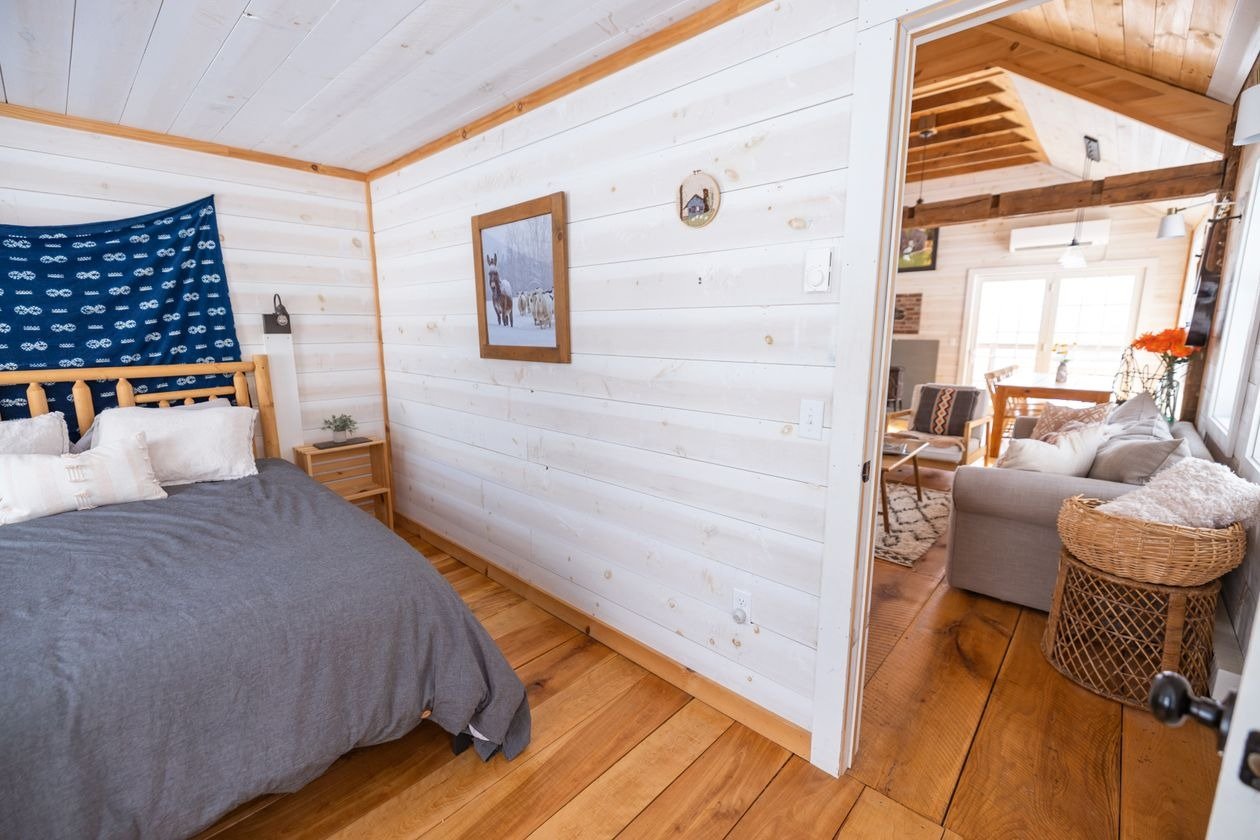
Farmhouse cottage bedrooms should feel like peaceful retreats, with soft bedding, natural textures, and gentle light encouraging rest. Start with a comfortable bed dressed in layered linens, such as a cotton duvet, a knitted throw, and cushions in muted tones. Wooden bed frames, painted headboards, or upholstered headboards in natural fabric all suit cottage style, depending on the room’s character. Keep bedside tables simple and functional, with a lamp, a book, and a small plant or candle for warmth. Blackout curtains in linen or cotton help with sleep while maintaining the soft, relaxed look. Avoid overdecorating bedrooms, because calm spaces promote better rest, and a few meaningful items, such as family photographs or handmade crafts, add more personality than crowded shelves ever could.
Natural light matters greatly in bedrooms, so keep window treatments light and simple during the day. Sheer curtains soften sunlight beautifully, while heavier curtains can be drawn at night for privacy, warmth, and a cosier sleeping environment.
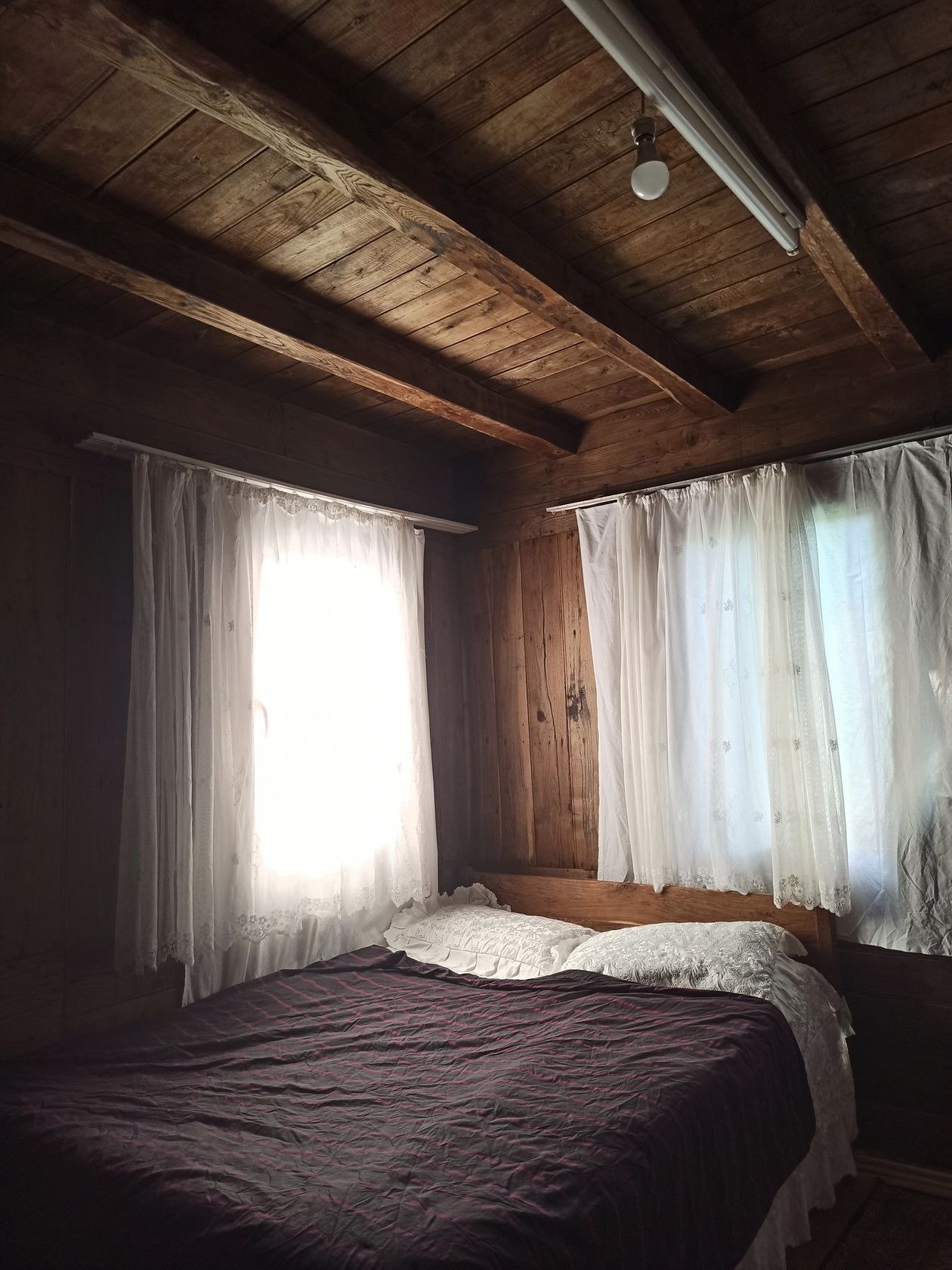
Using Vintage Furniture with Character
Vintage furniture gives farmhouse cottages their soul, because each piece brings history, craftsmanship, and unique detail that new furniture rarely matches. Look for solid wood dressers, farmhouse tables, rocking chairs, and painted cabinets at markets, thrift stores, and family homes. Mix eras and finishes gently, pairing a weathered table with newer chairs or a vintage mirror with modern lighting, so rooms feel collected rather than themed. Restore pieces where needed, tightening joints, repainting worn surfaces, or replacing handles, while preserving character marks that tell a story. Avoid filling rooms with too many large vintage pieces, because cottages need space to breathe and move comfortably. One or two statement vintage items per room, supported by simpler pieces, create balance, charm, and a home that feels genuinely lived-in.
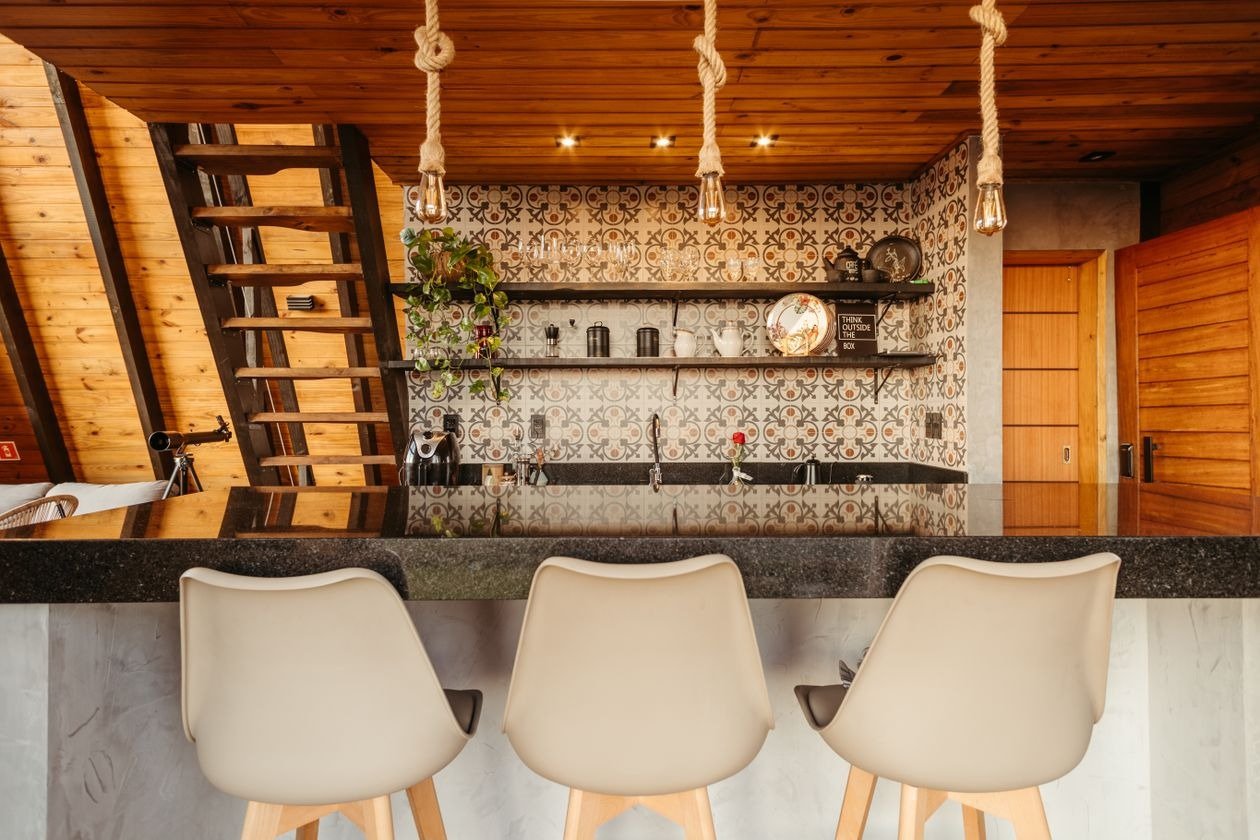
Textiles That Add Warmth and Texture
Textiles transform farmhouse cottages from pretty to truly comfortable, adding warmth, softness, and layers of texture throughout the home. Linen curtains, cotton throws, wool blankets, and woven cushions in natural fibres suit the style best, especially in muted colours and simple patterns such as stripes, checks, and florals. Layer textiles generously, draping a throw over a sofa arm, placing a rug over wooden floors, and adding cushions in varying sizes and textures. Change textiles seasonally, using lighter linens in summer and heavier knits in winter, to keep rooms feeling fresh and appropriate. Handmade or vintage textiles, such as quilts and embroidered cushions, add special character and become conversation pieces. Good textiles invite people to sit, relax, and stay a little longer, which is exactly what cottage living should encourage.
Mixing patterns requires a light touch, so pair one bold pattern with two quieter ones in similar tones. A checked throw, a plain cushion, and a small floral print together feel layered and interesting, without making the room look busy or confused.

Small Space Cottage Layout Ideas
Small cottages require clever layouts that maximise light, storage, and comfort without feeling cramped. Choose furniture that serves multiple purposes, such as storage ottomans, extendable tables, and beds with drawers underneath. Keep pathways clear and furniture scaled to the room, avoiding oversized sofas or tables that dominate the space. Use mirrors, light colours, and sheer curtains to make rooms feel larger, and define zones with rugs rather than walls where possible. Vertical storage, such as tall shelves, hooks, and wall-mounted baskets, frees floor space while keeping essentials accessible. In small cottages, editing matters as much as decorating, because a few well-chosen pieces and clear surfaces create calm, while clutter quickly makes rooms feel smaller and harder to enjoy.
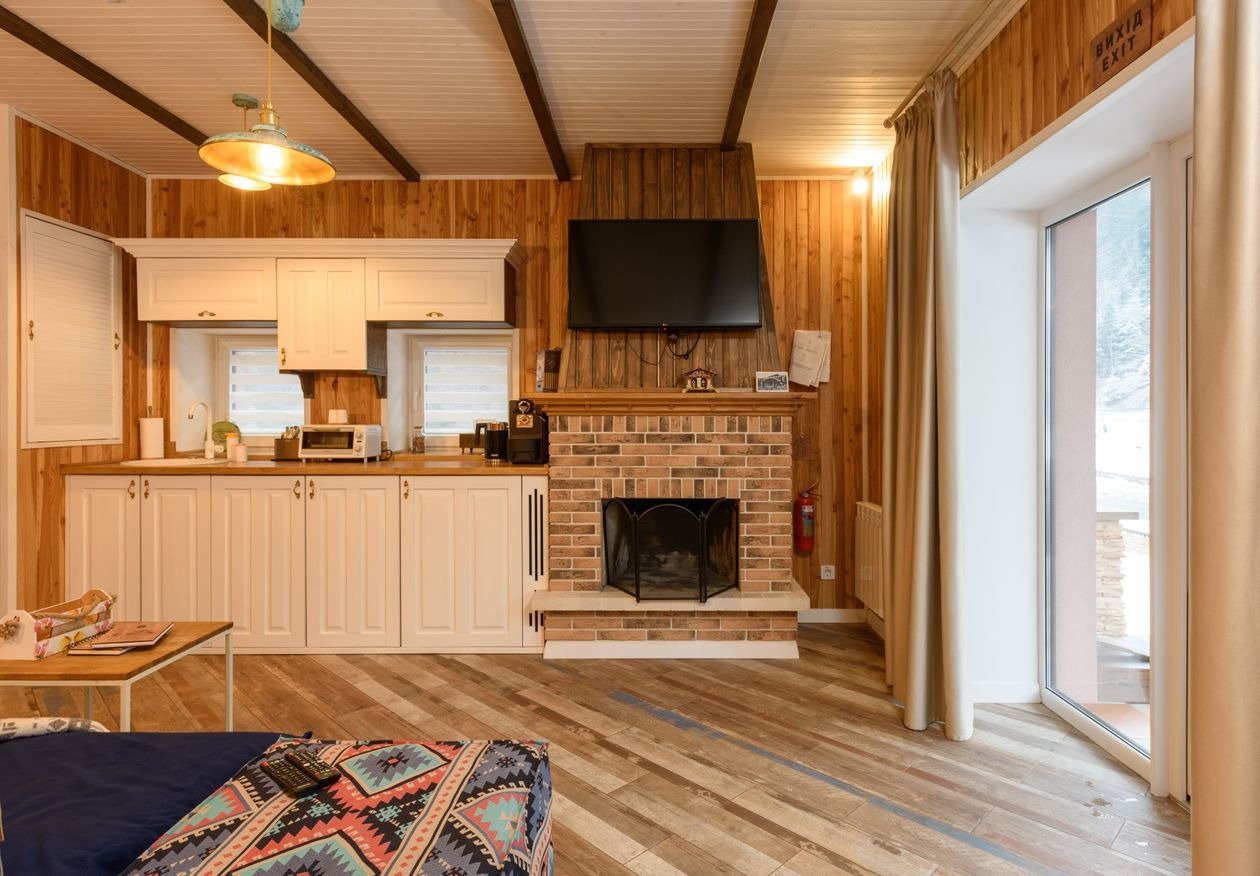
Bathrooms with Cottage Charm
Farmhouse cottage bathrooms combine practicality with charm, using natural materials, vintage details, and soft colours to create spa-like calm. Freestanding or pedestal sinks, wooden vanities, and framed mirrors suit cottage style, while subway tiles or beadboard walls add texture. Choose fixtures in brushed brass or matte black for a timeless look, and add woven baskets for towels, toiletries, and laundry. Plants that thrive in humidity, such as ferns or trailing vines, bring life to bathrooms, while candles and folded towels add a welcoming, hotel-like touch. Keep counters clear and storage hidden where possible, because calm bathrooms feel cleaner and more relaxing. Even small cottage bathrooms can feel luxurious with good lighting, soft towels, and a few thoughtful details that prioritise comfort.
Good bathroom lighting is often overlooked, yet it transforms daily routines and evening baths alike. Combine a main light with a softer mirror light, using warm bulbs that flatter skin and complement wooden and ceramic surfaces throughout the space.

Bringing Nature Indoors with Plants
Plants are essential to farmhouse cottage interiors, softening hard surfaces, purifying air, and connecting homes to the surrounding countryside. Choose easy-care plants such as trailing pothos, ferns, herbs, and potted olive trees, placing them on windowsills, shelves, and in baskets on the floor. Herbs in the kitchen serve both decoration and cooking, while larger plants can fill empty corners and soften tall furniture. Use terracotta pots, woven baskets, and ceramic planters in natural tones, avoiding bright plastic that clashes with cottage warmth. Group plants in odd numbers and varying heights for a natural, garden-like feel, and rotate them occasionally for even growth. Plants also change with seasons, bringing fresh green in spring, abundant growth in summer, and a sense of life indoors during cold winter months.

Lighting for Warm Cottage Evenings
Lighting shapes the mood of farmhouse cottages, turning bright daytime rooms into warm, intimate evening spaces. Layer lighting with overhead fixtures, table lamps, and candles, rather than relying on a single harsh ceiling light. Choose warm white bulbs, linen or fabric lampshades, and fixtures in wood, brass, or matte black for a cottage-appropriate glow. String lights along shelves or beams add festive warmth in winter, while candles on tables and mantels create a relaxed, romantic atmosphere. Dimmers help enormously, allowing light levels to adjust from cooking and reading to quiet evenings. Good cottage lighting should feel like candlelight, soft, golden, and welcoming, encouraging slow evenings, long conversations, and comfortable rest after busy days.
Candles should be used safely in cottages, especially near fabric, wood, and dried flowers. Choose stable holders, keep flames away from curtains, and consider battery-operated candles for shelves or rooms where real flames would be risky.
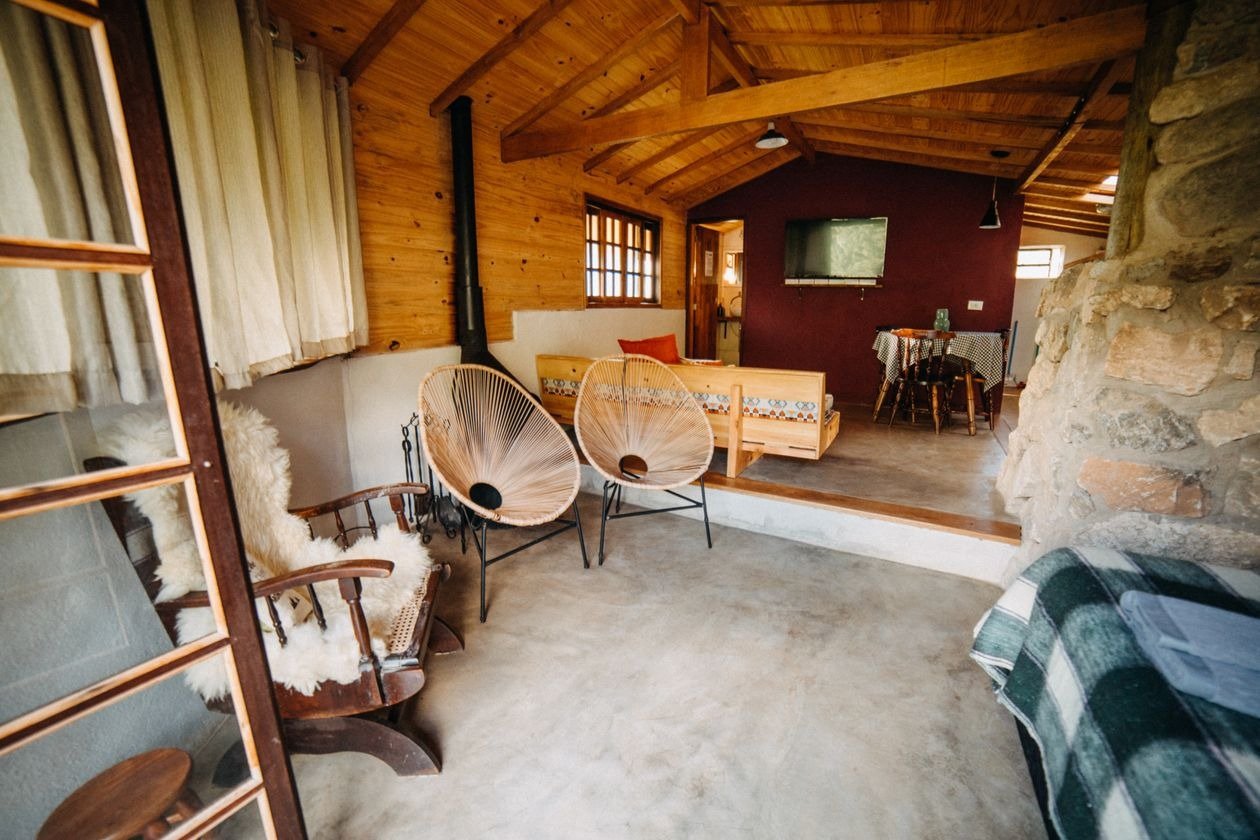
Entryways and Mudrooms That Welcome You Home
Entryways and mudrooms set the tone for farmhouse cottages, offering practical storage and a warm welcome in one hardworking space. A bench with hooks above, baskets below, and a rug underfoot creates an organised landing zone for coats, shoes, and bags. Use natural materials such as wood, wicker, and linen, and add a mirror or artwork to make small entryways feel larger and more personal. Seasonal touches, such as a wreath, fresh flowers, or a bowl of pinecones, keep entryways feeling cared for without clutter. Label baskets for each family member where helpful, and keep a tray for keys, sunglasses, and small essentials near the door. A well-designed entryway reduces daily stress, because everything has a place, and arriving home feels calm rather than chaotic.
Seasonal Decorating in a Cottage Home
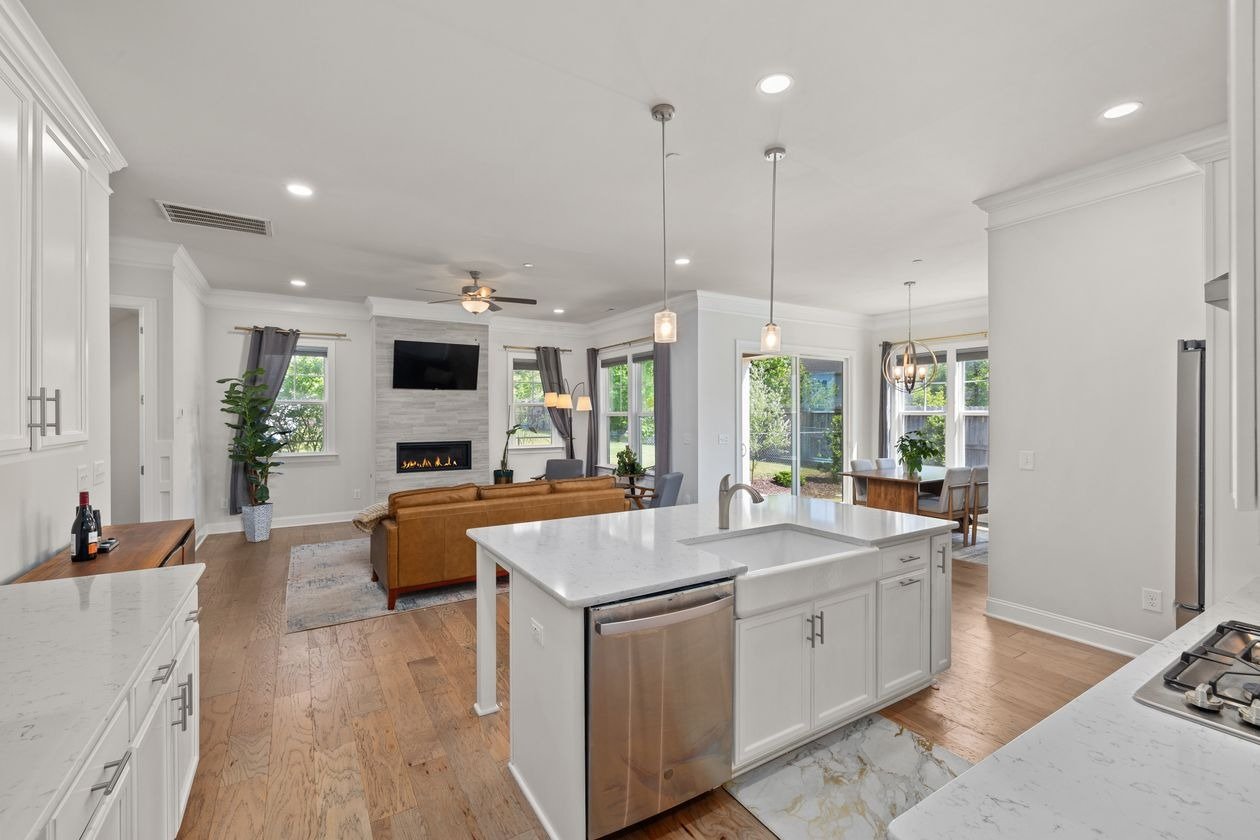
Seasonal decorating keeps farmhouse cottages feeling fresh and connected to the natural world throughout the year. In spring, add fresh flowers, light throws, and pastel accents, while summer calls for linen, greenery, and outdoor living touches. Autumn brings warm blankets, pumpkins, dried leaves, and candlelight, and winter invites evergreen branches, cosy knits, and festive wreaths. Change only textiles, table displays, and small accents each season, keeping furniture and wall colours constant for cohesion. Natural, seasonal items cost little and feel authentic, especially when gathered from gardens, markets, or local walks. Seasonal decorating also creates traditions, as families look forward to unpacking favourite pieces each year and children learn to notice and celebrate the changing seasons at home.
A simple seasonal box, stored in a cupboard, makes changing decor quick and enjoyable. Keep autumn and winter items together, spring and summer items together, and label each box clearly so swapping a room takes minutes rather than an afternoon.
Dining Rooms for Gathering and Feasts
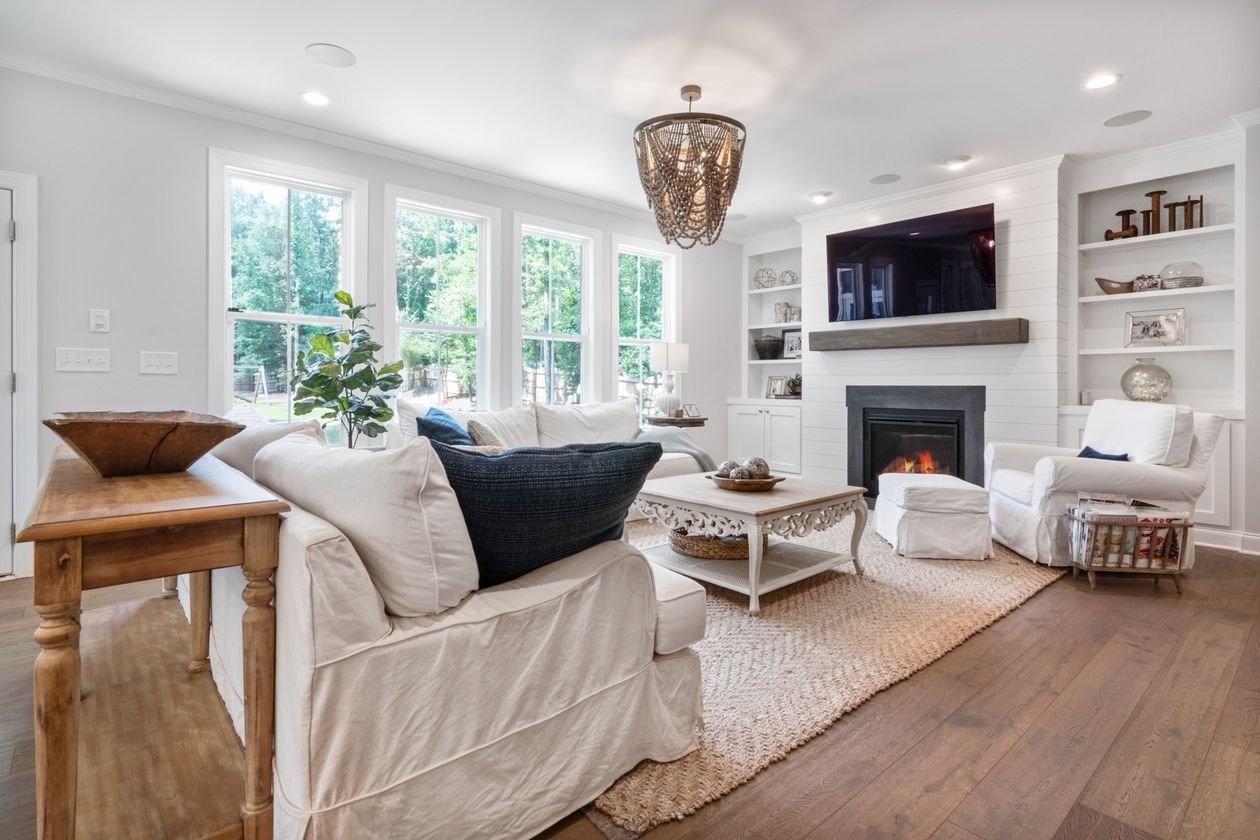
Farmhouse dining rooms are made for gathering, with large wooden tables, comfortable chairs, and space for long meals and lively conversation. Choose a sturdy table that can handle daily use, homework, crafts, and festive feasts, pairing it with mismatched chairs or a bench for a relaxed, cottage feel. A simple centrepiece, such as a vase of seasonal flowers, candles, or a bowl of fruit, adds beauty without blocking conversation across the table. Pendant lights hung low over the table create intimacy, while a sideboard or dresser provides storage for dishes and linens. Keep dining rooms flexible, with extra chairs stored nearby for guests, and a tablecloth or runner that can be changed for special occasions. A dining room that welcomes gathering becomes the heart of cottage life.
Outdoor Spaces and Porch Living
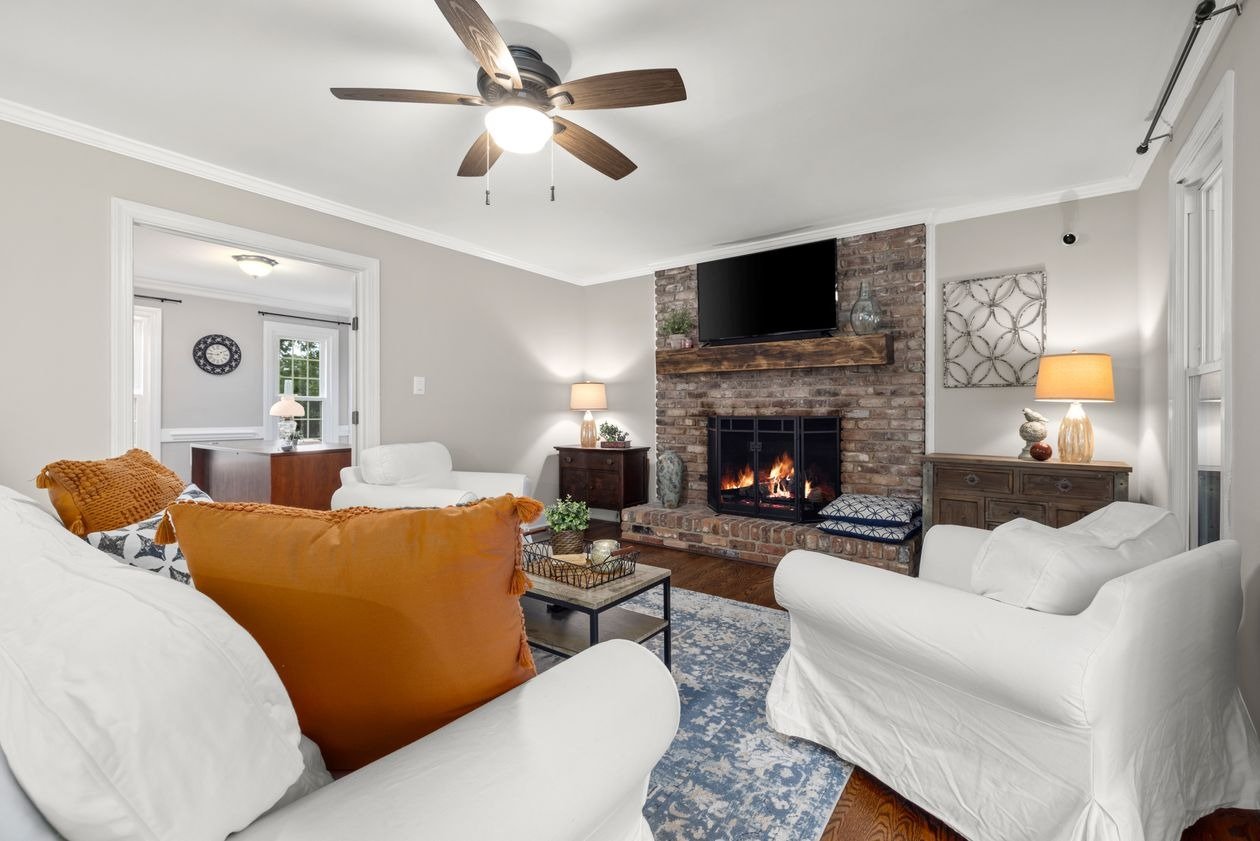
Farmhouse cottage living extends outdoors, with porches, patios, and gardens becoming extra rooms in warmer months. A rocking chair, a wooden bench, and potted plants turn a small porch into a favourite morning spot, while string lights and lanterns make evenings magical. Outdoor furniture in wood, wicker, or metal suits cottage style, especially when paired with weather-resistant cushions in muted tones. Gardens with herbs, flowers, and vegetables connect the home to nature and provide fresh ingredients for the kitchen. Keep outdoor spaces tidy but relaxed, with paths, planters, and seating arranged for conversation and rest. Even a tiny balcony or courtyard can capture cottage charm with a chair, a plant, and a view of greenery, proving that outdoor living is about atmosphere, not size.
Outdoor lighting extends porch use into the evening, with solar lanterns and string lights offering gentle illumination without wiring. Place lights at seating height rather than overhead, because low, warm light feels more intimate and welcoming after dark.

Storage Solutions That Stay Beautiful
Good storage keeps farmhouse cottages calm and functional, without hiding their warmth behind closed, modern cabinets. Open baskets, wooden crates, labelled jars, and woven boxes store everyday items beautifully, while remaining easy to reach. In kitchens, glass jars display dry goods attractively, and in living rooms, baskets hide throws, toys, and magazines. Bedrooms benefit from under-bed boxes, trunk storage, and hooks for bags and hats, while bathrooms use baskets and shelves for towels and toiletries. Choose storage in natural materials that match the home’s palette, so practical items become part of the decor. Regular decluttering keeps storage working, because even the prettiest baskets cannot compensate for too many belongings in a small cottage.

Mixing Modern Comfort with Cottage Style
Modern comfort and cottage style can coexist beautifully, when new conveniences are integrated thoughtfully rather than allowed to dominate. Comfortable mattresses, efficient appliances, and good insulation improve daily life without changing a cottage’s character, especially when finishes remain natural and muted. Hide technology where possible, using wooden TV cabinets, fabric-covered speakers, or simple frames that blend with decor. Choose modern furniture with soft lines and natural materials, avoiding glossy, angular pieces that clash with rustic warmth. Smart lighting and heating can be added discreetly, improving comfort while preserving the home’s relaxed feel. The goal is a cottage that feels timeless but works for modern life, offering both the charm of the past and the ease of the present.
Technology can be softened with simple covers, such as a wooden box for a router or a fabric cover for a speaker. These small details keep cottage rooms feeling natural, while still allowing modern conveniences to work exactly as they should.
Budget Friendly Cottage Makeovers
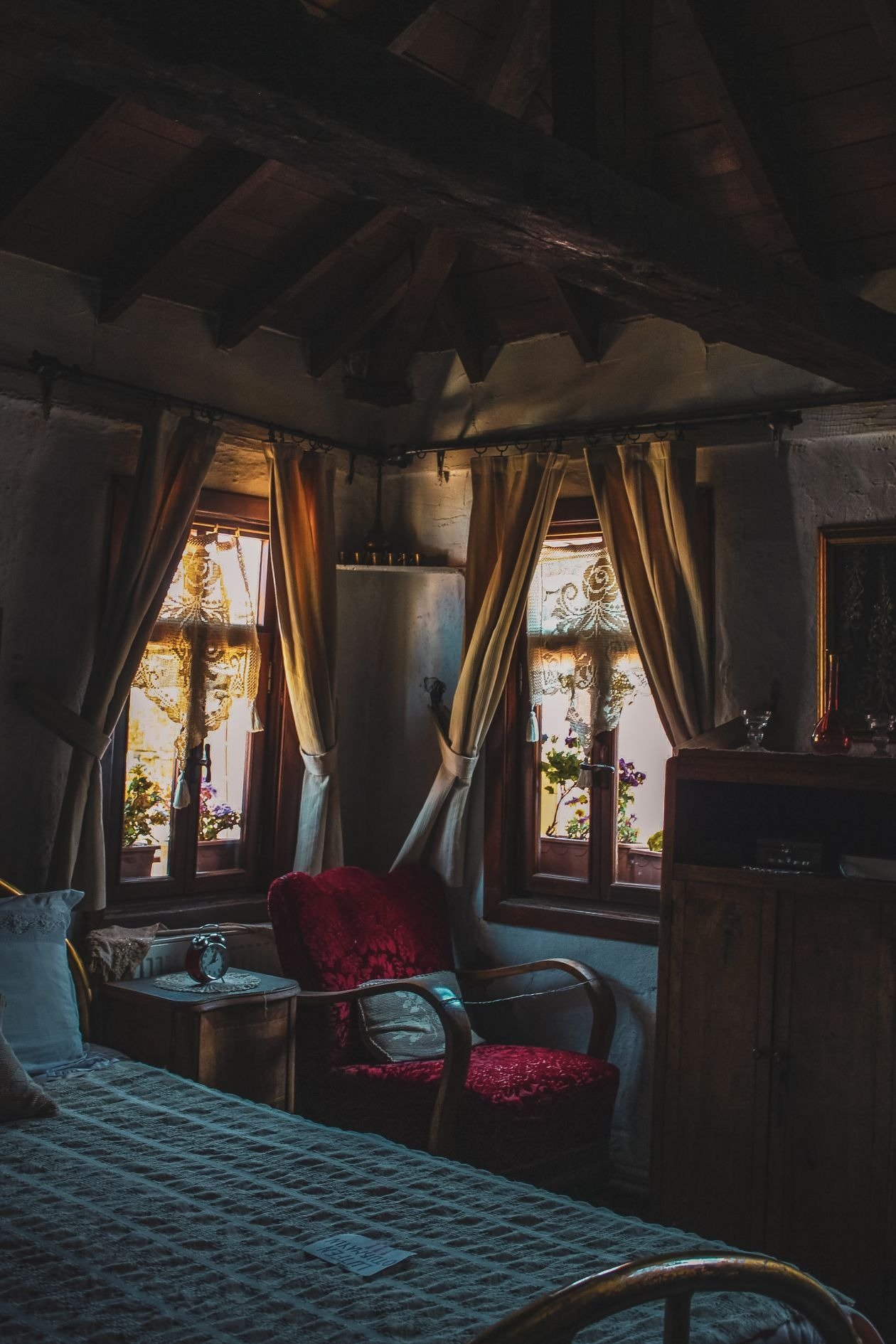
Transforming a home into a farmhouse cottage does not require a large budget, because paint, textiles, and second-hand finds create most of the effect. Start with a fresh coat of warm white paint, which instantly brightens rooms and unifies mismatched furniture. Add thrifted wooden pieces, handmade cushions, and plants gradually, focusing on one room at a time. Paint old furniture instead of replacing it, swap hardware for matte black or brass, and use fabric to soften hard surfaces. Markets, charity shops, and online second-hand stores offer excellent cottage pieces at low prices, especially if you are patient. A budget makeover works best with a clear palette and a slow, thoughtful approach, because a home collected over time always feels more authentic than one decorated all at once.
Keeping Your Cottage Home Timeless
Keeping a farmhouse cottage timeless means choosing quality, natural materials, and simple designs that will not date quickly. Avoid overly trendy colours, patterns, or furniture that may feel dated within a few years, and invest instead in solid wood, linen, cotton, and classic shapes. Maintain wooden surfaces, refresh paint when needed, and repair rather than replace treasured pieces, so the home ages gracefully. Rotate accessories seasonally, but keep the core palette and furniture stable, allowing personality to evolve slowly. A timeless cottage feels as welcoming in ten years as it does today, because its beauty comes from warmth, texture, and care rather than fashion. Ultimately, the most enduring cottages are those lived in with love, where every object has a purpose and every room invites people to relax and belong.


I am Talha Sikandar, a professional writer with a passion for general blogging. With years of experience in content writing and research, I founded Meaniingly.com to deliver well-researched, informative, and user-friendly articles on diverse topics.