Fall activities for toddlers
Fall might just be the best season for toddlerhood. The weather is made for little legs — cool enough to run without overheating, crisp enough to make everything feel like an adventure. Nature puts on its most spectacular show right at toddler eye level: crunchy leaves, smooth pumpkins, shiny apples, pinecones to pocket. And the activities practically plan themselves, from leaf piles to pumpkin painting to the season’s cozy indoor crafts. This guide rounds up 30 fall activities for toddlers (ages 1 to 3), organized from outdoor adventures to rainy-day crafts, with practical tips on timing, gear, and keeping things fun for short attention spans. No elaborate prep, no expensive supplies — just autumn, enjoyed at toddler speed.
Why Fall Is the Best Season for Toddler Activities
Toddlers and fall are a natural match for developmental reasons, not just pretty ones. Cooler temperatures mean longer comfortable outdoor time — toddlers regulate temperature poorly, so the mild 50s and 60s are their sweet spot. Fall offers unmatched sensory variety: crunchy, smooth, bumpy, and squishy textures everywhere, which feeds the sensory exploration toddlers crave. The season’s visual drama — color changes, falling leaves, harvest displays — captivates young eyes and builds vocabulary (red! crunchy! big pumpkin!). Outdoor fall play also burns energy efficiently before the cooped-up winter months. And practically speaking, fall activities are cheap: nature provides the materials free, and most seasonal outings (parks, nature walks, leaf piles) cost nothing at all.

Leaf Play: Nature’s Free Sensory Bin
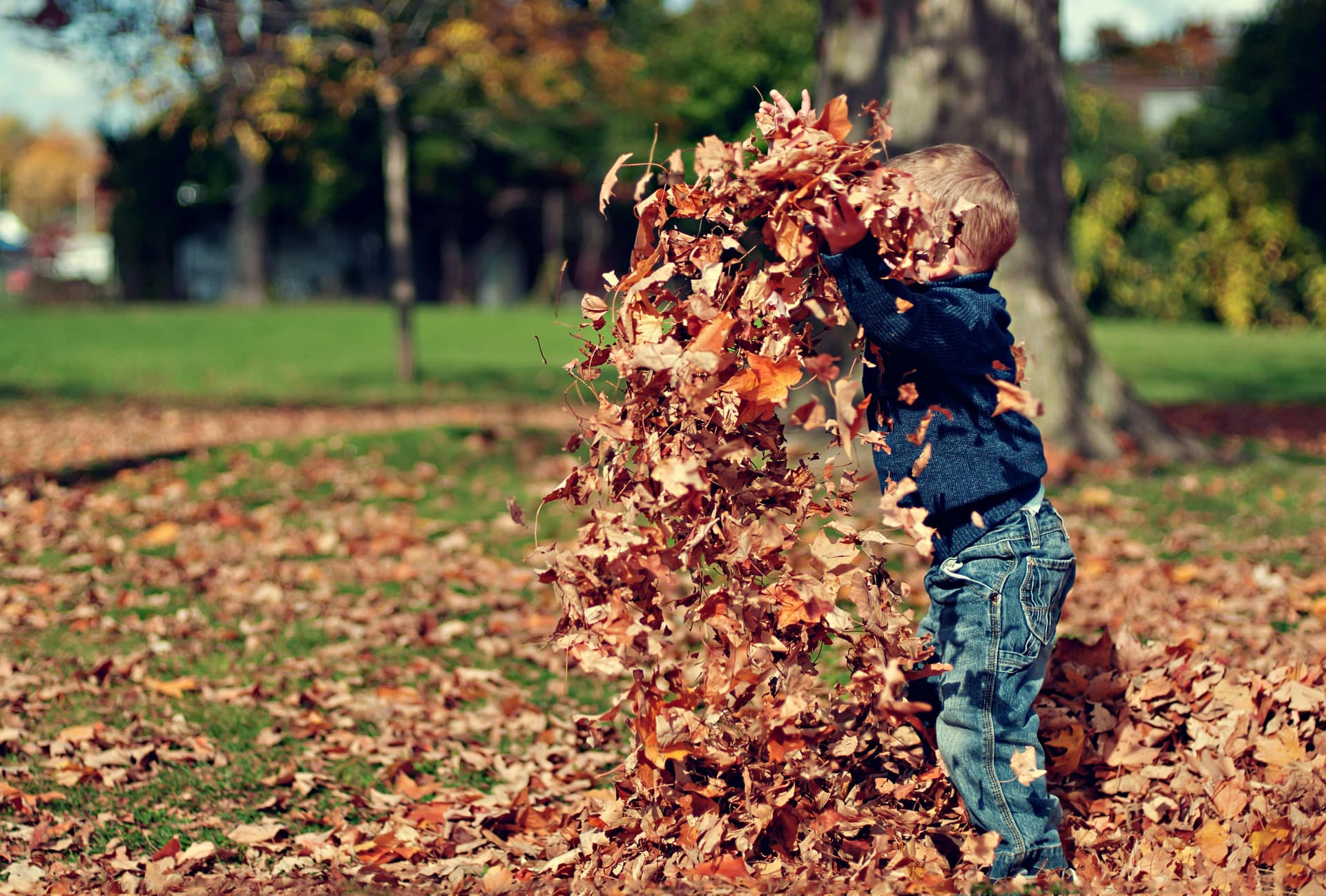
Before you plan anything elaborate, remember that a pile of leaves is a complete toddler activity. Rake (or gather) a big pile and let them jump, throw, crunch, and bury themselves — this is heavy sensory input that toddlers find deeply satisfying. Sort leaves by color into piles or buckets for early math and color learning. Make leaf angels by lying back and sweeping arms, just like snow angels. Crunch different leaves to compare sounds — dry maple versus leathery oak is a genuine science observation. Bring a basket for collecting favorites on walks; back home, press them between books for later crafts. One caution: check leaf piles for sticks and debris before diving, and skip areas treated with pesticides. Twenty minutes of leaf play tires out a toddler better than almost anything. For an easy extension, challenge older toddlers to find the biggest leaf, the reddest leaf, and the crunchiest leaf — simple categories that turn a pile of leaves into a game with endless replay value.
Pumpkin Patch Visits: Making the Most of the Trip
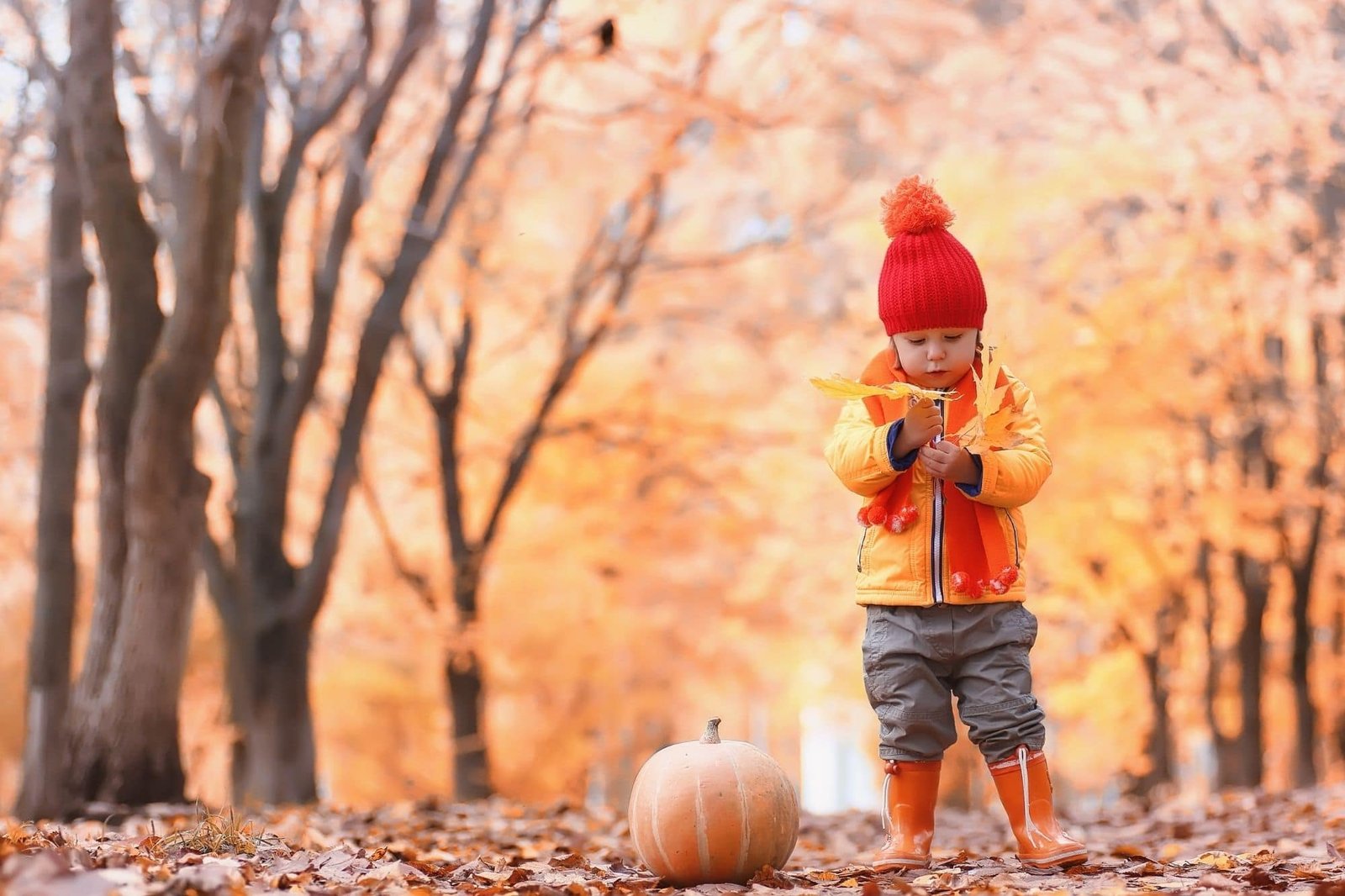
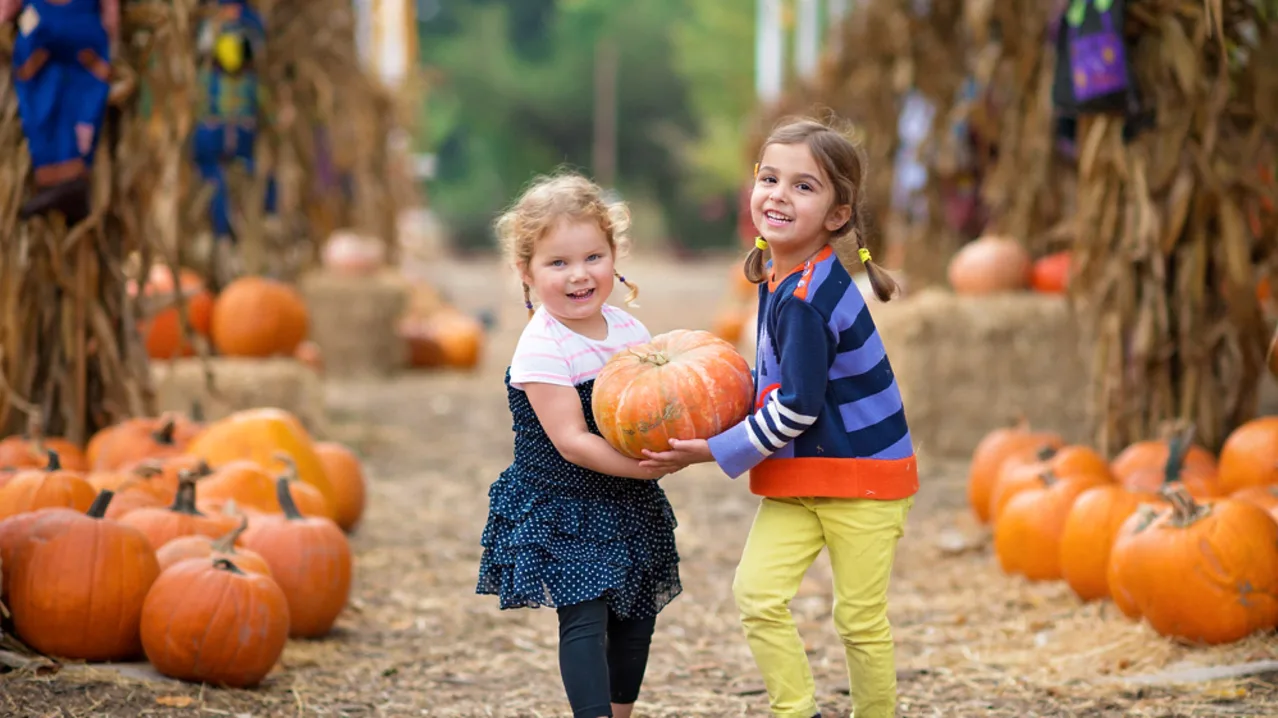
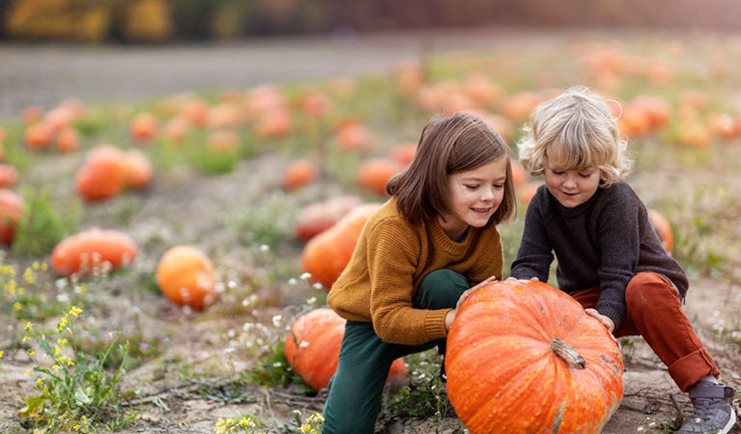
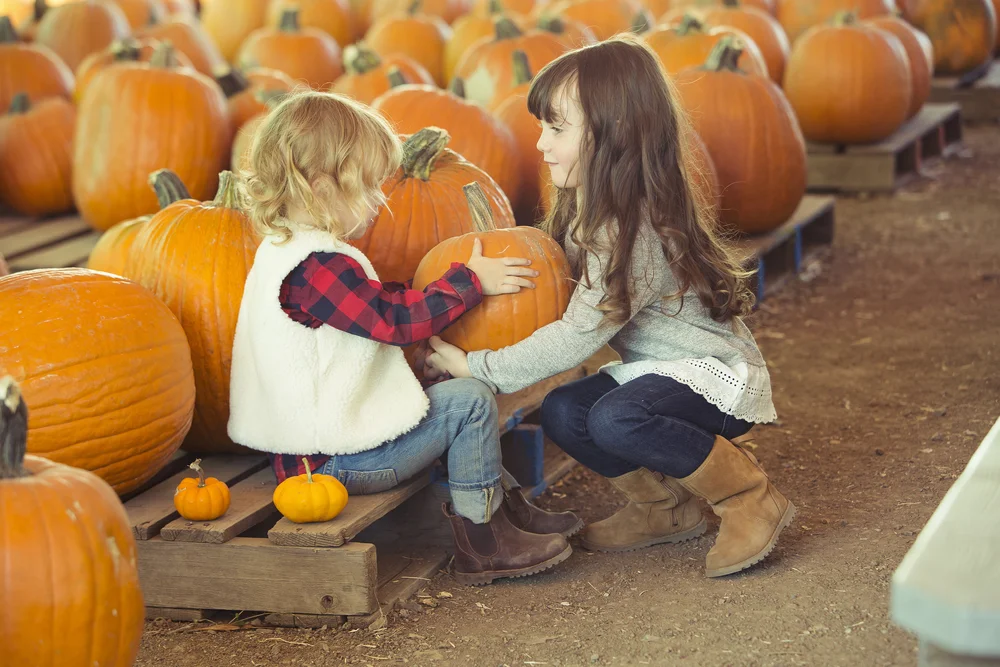
A pumpkin patch trip is a fall rite of passage — here’s how to make it toddler-friendly. Go on a weekday morning if possible: smaller crowds, fresher donuts, and toddlers at their best energy. Let your toddler choose their own pumpkin (within size limits you set silently); the autonomy makes it magical, and a too-big pumpkin becomes a wagon ride. Bring the wagon or stroller — patches are big and toddler legs are small. Pack snacks and water; farm food lines are long and toddler patience is short. Beyond pumpkins, look for patches with extras: corn pits (like sandboxes but corn), small hay bale mazes, and farm animals. Keep the visit to 60-90 minutes — that’s the toddler sweet spot before meltdowns. Take the classic photo early, while everyone’s still happy.

Apple Picking With Little Ones
Apple orchards are wonderfully toddler-compatible: the “work” is picking, which toddlers can actually do. Choose dwarf or low-hanging trees and show them the twist-and-pull motion — they’ll get it after two tries. Give them their own small bag; filling it is the whole game. Taste-testing is expected and encouraged (that’s the point of the outing). Go early in the season for the best picking and smaller crowds. Pack a picnic — orchards are beautiful lunch spots — and plan for the inevitable: your toddler will want to eat apples instead of picking them, carry the bag themselves, and sit in the dirt. All fine. Back home, the apples become baking projects (see below), extending the activity into a second day. One outing, two days of fun.

Leaf Art and Nature Collages
Turn collected leaves into art with almost no setup. The simplest version: glue sticks, paper, and a pile of leaves — toddlers arrange and stick freely, which is perfect process art (the doing matters more than the result). Leaf rubbings are magic for the 2-and-up crowd: place a leaf under paper and rub with the side of a crayon to reveal the shape and veins. Trace leaves onto paper and let toddlers color inside. Press leaves between wax paper (iron on low through a cloth — adult job) for suncatchers to hang in windows. Sort leaves by size on a big paper to make a “leaf family.” Display the results on the fridge or a dedicated art wall — toddlers beam with pride seeing their work honored. Keep sessions short (15-20 minutes) and smocks on.

Pumpkin Painting (No Carving Required)
Pumpkin painting is the toddler-safe answer to jack-o’-lanterns — all the fun, zero sharp tools. Use washable tempera or acrylic paints (washable for sanity), foam brushes or chunky toddlers-safe brushes, and small pumpkins that little hands can rotate. Set up outside or on a wipeable surface; smocks are non-negotiable. Let them paint freely — abstract pumpkin masterpieces are the goal. Add-ons for older toddlers: googly eyes stuck with glue dots, stickers, or washi tape stripes. Painted pumpkins last weeks indoors, unlike carved ones. For a no-mess alternative, let toddlers decorate with stickers alone. Pro tip: paint the pumpkin white first (adult’s job, the night before) — colors pop beautifully on the white base and it looks intentional even with enthusiastic toddler brushwork.

Fall Sensory Bins: Textures Toddlers Love
Sensory bins are toddler catnip, and fall fillers are free. Base ideas: dried corn kernels, unpopped popcorn, dried beans in fall colors, or shredded paper. Add-ins: mini pumpkins and gourds, pinecones, acorns (large ones only — choking hazard awareness), cinnamon sticks, scoops, cups, and small shovels. The play is open-ended: scooping, pouring, burying, sorting. Cinnamon sticks and a sliced apple make it smell like fall too. Set ground rules simply: materials stay in the bin (with toddlers, expect some migration). Use a large shallow bin on a sheet for easy cleanup. Rotate fillers every week or two to renew interest. Always supervise — small items and toddlers require vigilance — and choose filler sizes appropriate for your child’s mouthing stage.

Nature Walks and Scavenger Hunts
A fall walk becomes an expedition with a scavenger hunt. For toddlers, keep it visual and simple: a card with pictures of 4-6 things to find (red leaf, pinecone, stick, acorn, yellow leaf, feather). Let them carry their own little bag or bucket for treasures. Walk slowly — toddler pace means stopping for every interesting rock, which is the point. Narrate what you see to build vocabulary: “crunchy brown leaf,” “smooth gray stone.” Collect interesting items for later crafts and sorting games. Choose loop trails or out-and-back paths so you can bail when energy fades (usually 20-40 minutes). Bring a change of clothes in the car; puddles are irresistible and that’s fine. The goal isn’t distance — it’s discovery.

Baking Together: Simple Fall Treats
Toddlers make enthusiastic (if messy) baking assistants, and fall flavors are perfect for little helpers. Best toddler baking jobs: pouring pre-measured ingredients, stirring, mashing bananas or pumpkin, pressing cookie cutters, and sprinkling toppings. Good recipes: pumpkin muffins (sturdy, forgiving, delicious), apple slices with cinnamon-sugar, no-bake energy balls with oats and pumpkin, and sugar cookies with fall cookie cutters. Set up a learning tower or sturdy chair at the counter, pre-measure everything, and embrace the mess — it’s part of the activity. The payoff is huge: toddlers who help cook are more willing to taste, and “I made these!” pride is real. Keep sessions to one simple recipe; toddler attention spans end before the oven timer does. And build in tasting along the way — licking the spoon (of safe ingredients), nibbling apple slices, and sampling the finished product are all part of the experience. Cooking together teaches sequencing, patience, and pride in a way few other activities can, and the kitchen memories outlast the muffins by years.

Corn Mazes and Hayrides: What to Expect
Farm attractions are thrilling for toddlers with the right expectations. For corn mazes, choose farms with toddler-specific mini-mazes (many now offer them) rather than the full multi-acre version — 15 minutes of maze is plenty. Go during daylight; evening “haunted” versions are not for the under-4 crowd. Hayrides are usually a hit: the bumpy ride, the farm views, the other kids. Bring the carrier or be ready to hold them — hay wagons aren’t stroller-friendly. Check the farm’s website for age recommendations, ticket prices (toddlers are often free), and what’s actually running on your visit day. Pack layers, snacks, and wipes. Time it for morning when toddlers are fresh, and plan one anchor activity plus wandering — overscheduling is the enemy of toddler fun.

Pinecone Crafts and Nature Loose Parts
Pinecones are nature’s perfect toddler toy — interesting texture, satisfying weight, endlessly collectible. Roll them in paint for process art (put paper in a tray, add paint-dipped pinecones, and let toddlers tilt the tray). Make pinecone bird feeders by spreading peanut butter (or sunbutter for allergies) and rolling in birdseed — hang and watch the birds. Use pinecones as paintbrushes, dipping the scales in paint and stamping. Sort them by size into egg cartons or muffin tins for early math. Glue googly eyes on for instant pinecone creatures. Collecting them is half the fun — make it a walk mission. Check for sap (sticky but harmless) and give them a quick bake at low heat if you want to evict any tiny residents before crafting indoors.
Fall Storytime: Books and Reading Rituals
Autumn deserves its own reading ritual. Build a small seasonal book basket with fall favorites — leaf stories, pumpkin tales, harvest books, gentle Halloween stories — and rotate it in when September arrives; the novelty makes old books feel new. Read outside when weather allows: a blanket under a colorful tree is a core memory in the making. Act out stories with props (toy pumpkins, leaf puppets). Visit the library for fall storytimes, which many branches run seasonally. Let toddlers “read” the pictures back to you — narration builds language skills. End the day with one fall book as part of the bedtime routine; seasonal rituals give toddlers a comforting sense of time passing. Keep the basket accessible so independent “reading” happens naturally.

Outdoor Play: Puddles, Wind, and Crisp Air
Fall weather is an activity in itself if you dress for it. Puddle jumping in rain boots is peak toddler joy — invest in a decent puddle suit or rain gear and stop saying no to puddles. Windy days are for running with streamers, watching leaves swirl, and flying simple kites. Crisp mornings are perfect for playground visits — cool equipment, fewer crowds, beautiful light. The gear that makes it work: layers (easy to adjust), rain boots, a warm hat, and mittens on strings (they will lose them otherwise). Adopt the Scandinavian mindset: there’s no bad weather, only bad clothing. Toddlers who play outside daily in fall sleep better, eat better, and handle winter’s indoor months with more resilience. The fresh air is doing developmental work you can’t see.

Halloween Activities Without the Scares
Toddlers can enjoy Halloween fully with the scary parts removed. Pumpkin decorating (painting, stickers) beats carving. Costume parades at libraries and community centers offer dress-up fun without haunted houses. “Not-scary” trick-or-treating: visit familiar neighbors in daylight, or do a candy hunt in your own yard. Halloween sensory play — orange playdough with cookie cutters, black beans in a sensory bin — captures the theme gently. Read friendly Halloween books (not spooky ones) in the weeks before. If attending events, preview them: walk past the decorated house in daylight first, and have an exit plan. Follow your toddler’s lead — some love skeletons, some find them alarming, and both reactions are normal. The goal is festive fun, not bravery training.
Thanksgiving Prep Little Hands Can Help With
Toddlers love being part of Thanksgiving preparations — it makes the holiday feel like theirs too. Age-appropriate jobs: tearing bread for stuffing, washing vegetables, stirring (with help), placing napkins, and making handprint turkey art for decorations. Let them arrange a centerpiece of mini pumpkins and pinecones — their aesthetic judgment is charming. Bake together using the guidelines above. Practice gratitude simply: at dinner, each person names one good thing (toddlers will say “pumpkin” and that’s perfect). If hosting, create a small toddler table with activities to prevent the wiggles. Involving toddlers in preparations builds belonging and creates the holiday memories they’ll carry. The bar is low and the joy is high — that’s the sweet spot.

Indoor Fall Crafts for Rainy Days
Rainy fall days need a craft arsenal. Reliable winners: fall-colored playdough with cookie cutters and natural stamps (press leaves and pinecones into it), contact-paper collages (sticky side up, toddlers press leaves and tissue paper on — no glue mess), apple stamping (halved apples dipped in paint make perfect prints), and handprint/fingerprint art (trees with fingerprint leaves). Keep a dedicated craft box with washable supplies so setup takes two minutes. Cover the table with a wipeable cloth, put on smocks, and accept that the process is the product. Limit to one craft per session — toddlers go deep rather than wide. End with a dance party to burn off the sitting-still energy. Rainy days with a plan beat sunny days without one.
Playgrounds and Parks in Autumn
Your regular playground becomes a new place in fall — and toddlers notice. Crunchy leaves under the swings, acorns to collect, different light through the trees: it’s the same park with a seasonal remix. Visit at different times of day for varied experiences; late-afternoon golden light is magical. Bring a ball for leaf-covered fields (kicking through leaves is its own sport). Pack a thermos of warm apple cider for the grown-ups and snacks for the small ones. Fewer crowds mean more equipment access. Dress in layers you can peel as they warm up from play. The humble park visit, repeated through the season, lets toddlers observe change over time — green to gold to bare — which is early science education disguised as fun.

Fall Music, Songs, and Movement Games
Music makes every fall activity better. Learn a few seasonal songs — “Leaves Are Falling,” pumpkin counting rhymes, harvest fingerplays — and sing them during walks, crafts, and car rides. Movement games: “fall like a leaf” (spin and flutter down), “gallop like a horse” on hayride day, animal walks to burn energy indoors. Make shakers from sealed containers of dried corn for rhythm play. Dance parties with fall playlists turn rainy afternoons around. Musical instruments from nature: tap sticks together, crunch leaves rhythmically, shake seed pods. The developmental payoff is real — rhythm, language, coordination, and listening skills all grow through musical play. And honestly, singing about leaves while walking through them is one of parenting’s purest joys.

Dressing Toddlers for Fall Adventures
The right gear prevents 90% of outdoor meltdowns. The layering system: base layer (long-sleeve tee or thermal), insulating layer (fleece or sweater), outer layer (water-resistant jacket). Rain boots handle puddles and mud; insulated boots arrive when temperatures drop. Mittens beat gloves for little fingers (easier to put on, warmer); attach with clips or strings. Hats that cover ears are non-negotiable in wind. Keep a full change of clothes in the car always — fall adventures end muddy. For messy activities (painting, sensory bins), smocks or old adult t-shirts as cover-ups save outfits. Let toddlers practice dressing themselves with fall gear — big buttons, zippers with pulls, and slip-on boots build independence. Comfortable kids stay out longer, and staying out longer is the whole point.

Capturing Memories: Photos and Keepsakes
Fall with a toddler deserves documenting — these seasons blur together otherwise. Easy keepsakes: handprint art on canvas each fall (watch the hands grow year to year), a photo in the same pumpkin patch annually, pressed leaves in a frame, a “fall favorites” list in a journal. For photos, golden hour (the hour before sunset) flatters everyone; get down to toddler eye level; capture the doing, not just the posing — muddy boots and leaf-filled hair tell the real story. Print a few favorites rather than letting them die in your camera roll. Make a simple annual photo book; future you will be grateful. But balance documenting with presence — take the photo, then put the phone away and jump in the leaf pile yourself. The memory matters more than the proof.

Fall with a toddler is gloriously simple: the season provides the materials, the toddler provides the wonder, and you just need to show up with snacks and an extra layer. Start with the free stuff — leaf piles, nature walks, playground visits — and add one outing (pumpkin patch, orchard, farm) per week if energy allows. Keep activities short, expectations low, and wipes handy. Build a few repeating rituals, like a weekly nature walk or a standing baking afternoon, because toddlers thrive on predictable rhythms and will ask for their favorites again and again. Years from now you won’t remember which crafts you did, but you’ll remember the crunch of leaves, the weight of a toddler-chosen pumpkin, and the particular golden light of October afternoons. That’s the real activity: being there for it, fully present, at toddler speed.

I am Talha Sikandar, a professional writer with a passion for general blogging. With years of experience in content writing and research, I founded Meaniingly.com to deliver well-researched, informative, and user-friendly articles on diverse topics.