There is something quietly magical about moss on a wedding table. Soft, velvety, and impossibly green, moss brings the forest floor indoors — a living, breathing texture that makes even the simplest tablescape feel enchanted. Moss wedding tablescape centerpieces have surged in popularity because they deliver what modern couples crave: organic beauty, natural texture, and an effortlessly romantic atmosphere that no amount of satin and crystal can replicate. Whether scattered as a lush runner down a banquet table, mounded beneath flickering candles, or shaped into sculptural topiaries, moss creates a foundation of green luxury that makes every flower, candle, and detail placed upon it glow. These moss wedding tablescape centerpiece ideas cover every approach: choosing between preserved and live moss, styling runners, terrariums, and mounds, pairing moss with florals and candles, DIY techniques, budgeting, and day-of care. If you dream of a wedding that feels like a midsummer forest or an enchanted garden, moss is your most powerful — and most affordable — ally.
What Is a Moss Tablescape?
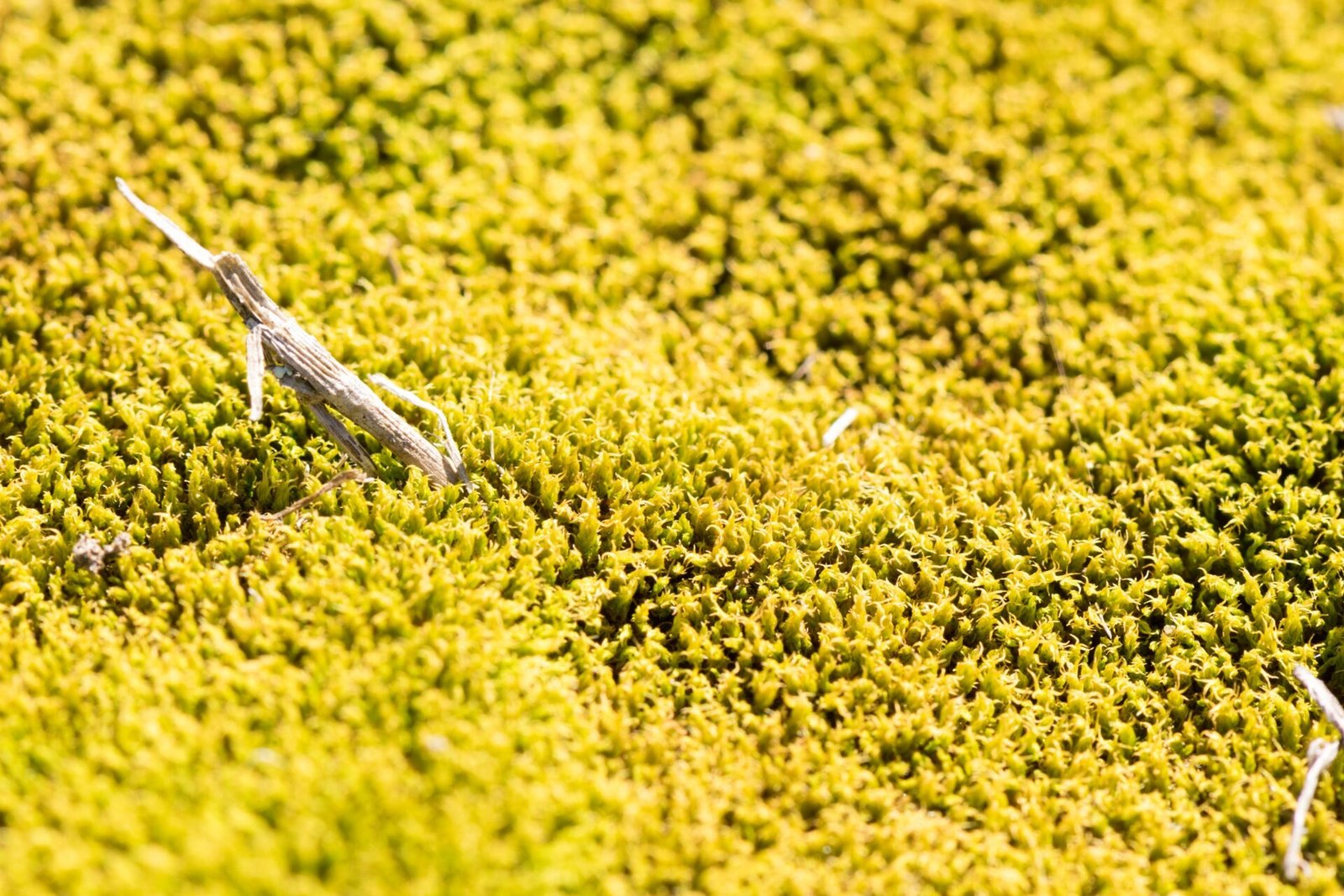
A moss tablescape uses moss as the foundational decorative element of the table design — the green canvas on which the rest of the centerpiece is built. Instead of (or alongside) traditional floral arrangements, sheets, mounds, or runners of moss cover the table’s centre, creating a continuous bed of verdant texture. Candles, flowers, wood, glass, and other details are then arranged on and around the moss.
The effect is transformative. A plain table becomes a landscape; a simple dinner becomes a woodland feast. Moss tablescapes suit a wide range of wedding styles — rustic, bohemian, garden-party, enchanted forest, even modern minimalist when executed with restraint. The moss itself is the star, so the style succeeds through texture and atmosphere rather than expensive blooms, which is part of its enduring appeal.
Why Moss Centerpieces Work So Well
Moss works because it solves several wedding-decor problems at once. It is inexpensive compared to flowers, yet it covers large areas with lush, continuous texture — a little moss goes a very long way visually. It is naturally beautiful without arranging skills; unlike flowers, moss needs no design expertise to look good. And it is endlessly versatile, complementing every colour palette from blush pastels to moody jewel tones.
Emotionally, moss taps into biophilia — our innate love of nature. Guests relax around greenery; a moss-covered table feels alive, fresh, and welcoming in a way that formal florals sometimes do not. Photographically, moss provides a rich, textured green base that makes every other element pop: candlelight glows warmer, white flowers look crisper, and metallics shine brighter against it. It is the hardest-working material in wedding decor.

Types of Moss for Tablescapes
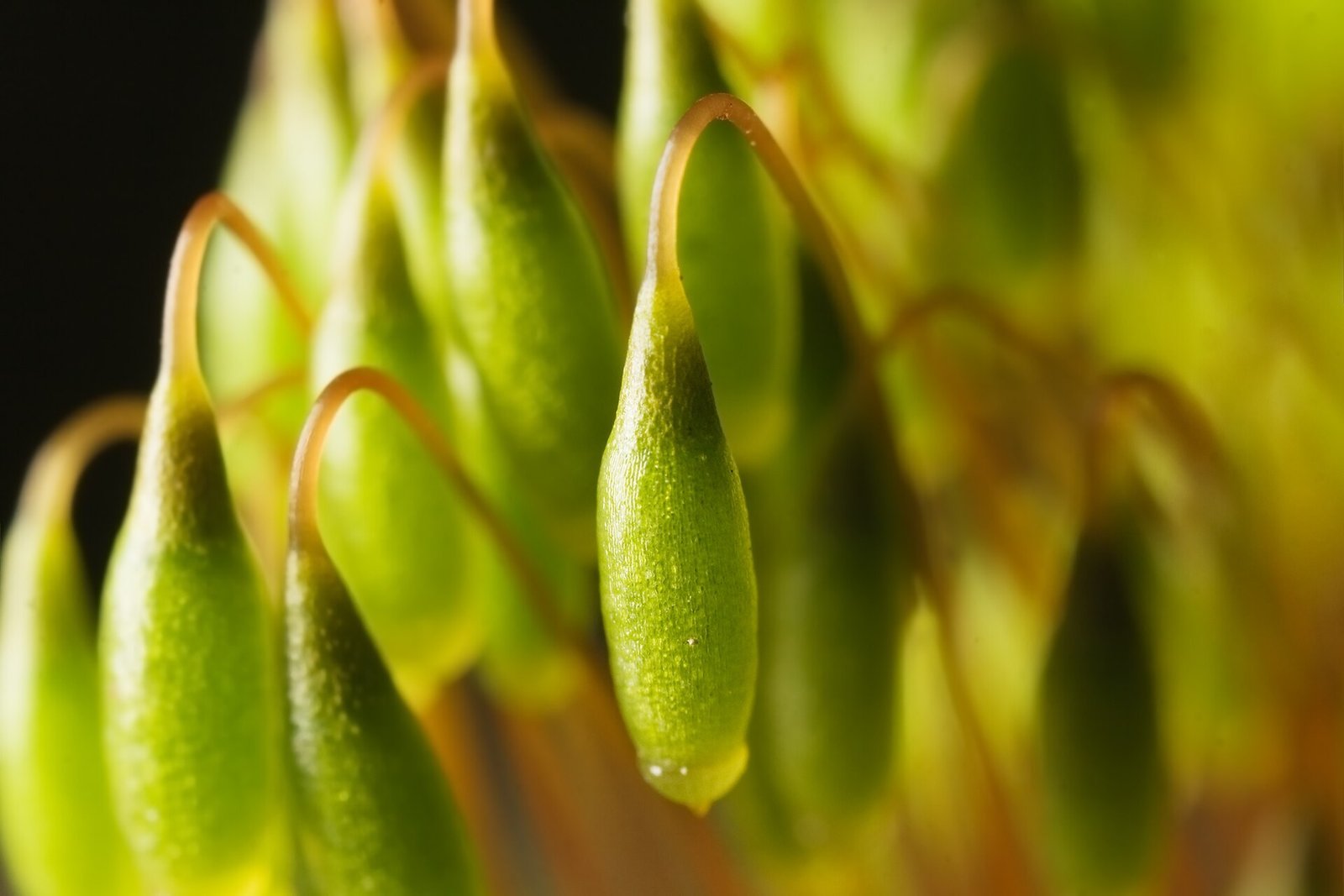
Not all moss is equal, and choosing the right type shapes the look. Sheet moss (hypnum) is the workhorse: flat, carpet-like pieces that lay beautifully as runners and table coverings. Mood moss (dicranum) forms soft, pillowy clumps ideal for mounding and texture. Reindeer moss (actually a lichen) comes in pale green, white, and dyed colours, perfect for filling gaps and adding airy volume.
Spanish moss drapes dramatically for hanging installations and tall designs. Cushion moss (leucobryum) creates perfect domed mounds that look almost sculptural. For tablescapes, most designers combine types: sheet moss as the base layer, mood moss mounds for dimension, and reindeer moss to fill seams and soften edges. Each type has a different texture, and the combination is what makes professional moss work look so rich and natural.

Preserved vs Live Moss
Preserved moss is the wedding industry standard, and for good reason. It is real moss treated with glycerine to stay soft, green, and pliable indefinitely — no watering, no wilting, no browning, no bugs. It looks and feels like live moss, lasts for years, and can be prepared weeks in advance. For wedding tablescapes, preserved moss is almost always the right choice.
Live moss is beautiful but temperamental: it needs consistent moisture, dislikes heat and direct sun, can harbour insects, and may brown or shed during a long reception. It suits only cool, humid, short-duration events with careful handling. Dried (untreated) moss is brittle and brownish — avoid it for tablescapes. When buying preserved moss, choose reputable suppliers and check that the colour is natural green, not artificially dyed neon; quality preserved moss looks like the forest floor, not a craft store.

The Classic Moss Runner
The moss runner — a continuous band of moss down the centre of a long banquet table — is the iconic moss tablescape. To create one, lay a base runner of plastic sheeting or landscape fabric (to protect the linen), then overlap sheet moss pieces like shingles, tucking edges under for a seamless carpet. Fill gaps with mood moss clumps and reindeer moss.
Once the green base is established, style on top: pillar candles in varying heights, small bud vases with single blooms, scattered petals, and perhaps trailing greenery at the edges. The runner should be twelve to eighteen inches wide on a standard banquet table — generous enough to read as lush, narrow enough to leave room for place settings. A moss runner on a bare wood farm table, with no linen at all, is the ultimate rustic-luxe look: just wood, moss, and candlelight.

Moss with Candles: The Essential Pairing
Moss and candlelight are inseparable — the combination is what gives moss tablescapes their enchanted quality. The warm glow of candles against cool green moss creates a contrast that is pure magic: the moss looks deeper, the flames look warmer, and the whole table seems to breathe. No moss centerpiece is complete without candles.
Use a mix of heights and types: tall taper candles in brass holders for drama, clusters of votives for intimate glow, and chunky pillar candles for substance. Always use a protective barrier — glass hurricanes, metal trays, or ceramic plates — between open flames and moss, even preserved moss, as a fire-safety essential. LED candles are a worry-free alternative for venues with flame restrictions; quality flameless candles now flicker convincingly. Whatever the flame source, abundance is key: moss tablescapes need generous candlelight to reach their full glory.
Moss and Wood Slices
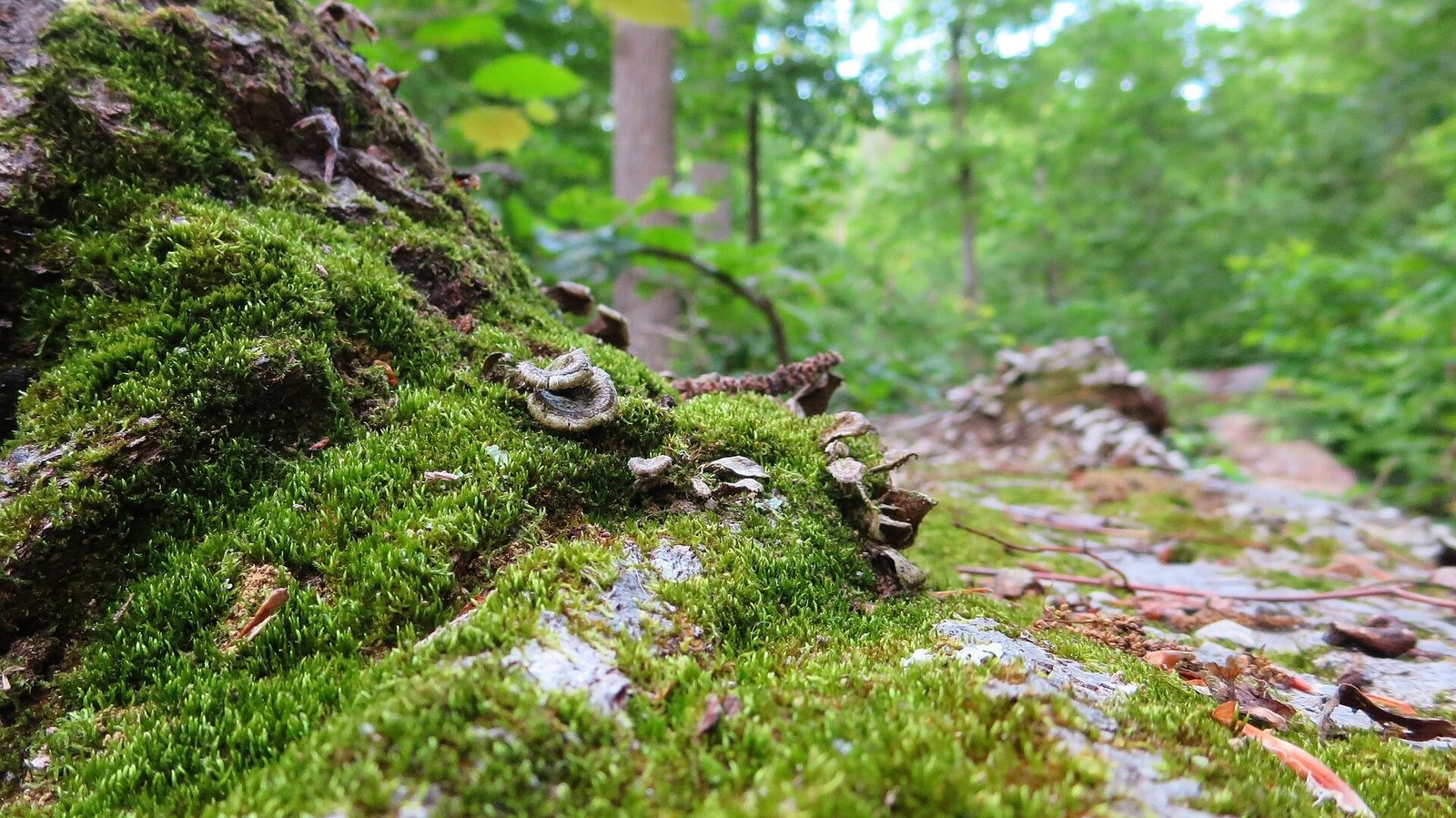
Wood slices layered with moss create the ultimate woodland tablescape. Thick cross-sections of log — with their beautiful growth rings — serve as risers and platforms: moss mounded on top, candles and small florals arranged around. The combination of bark, wood grain, and soft moss is texturally irresistible.
Vary the slice diameters and heights for a natural, collected-over-time feel. Use larger slices as the base for main arrangements and smaller ones scattered along the runner for rhythm. Source slices from timber suppliers or specialty decor companies; ensure they are sanded smooth on top (splinters and table linens do not mix) and sealed if they will contact moisture. Wood slices also solve the practical problem of elevating candles and vases above the moss for visual layering.

Terrarium Centerpieces
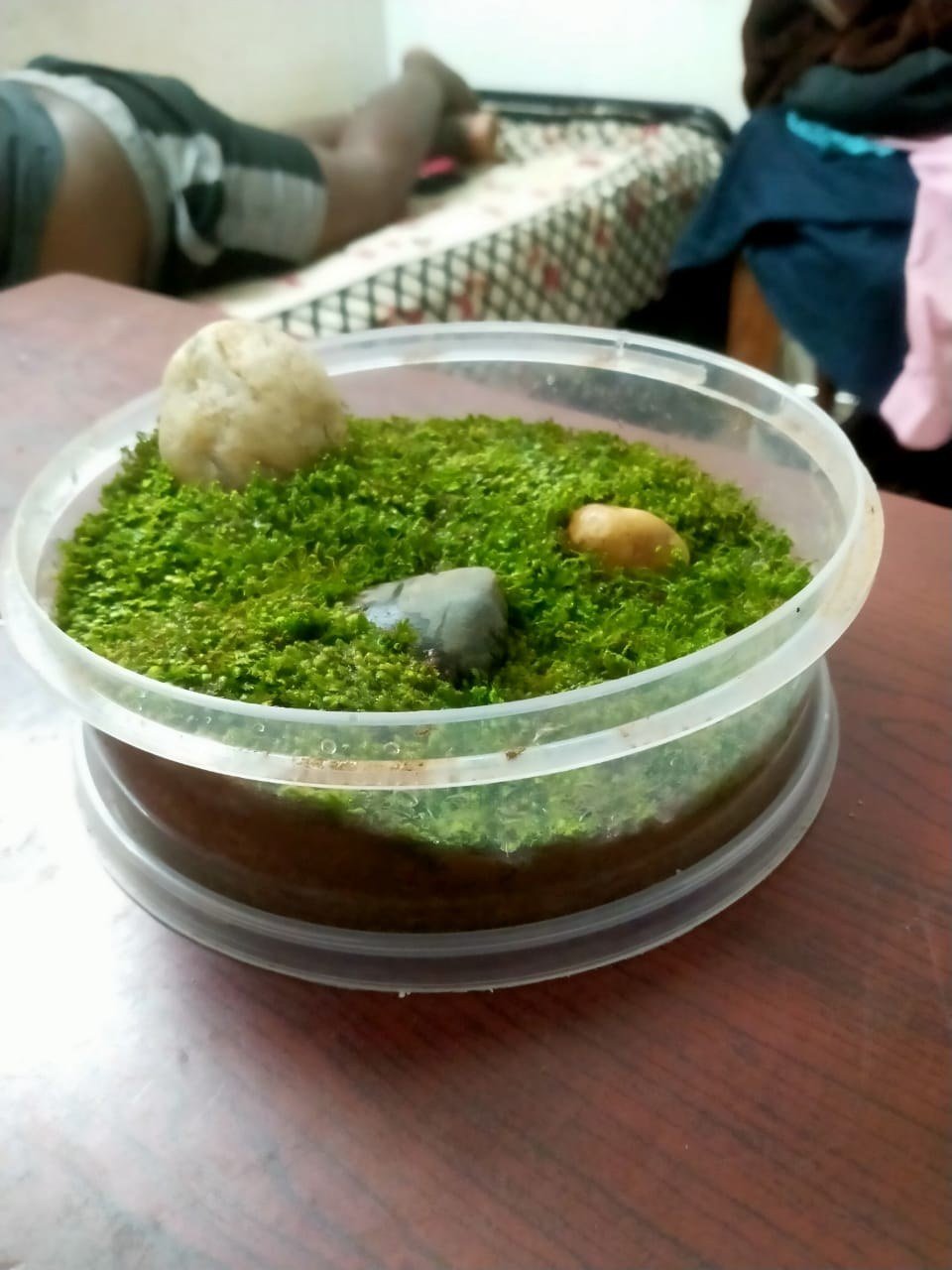
Glass terrariums filled with moss create contained, jewel-like centerpieces that suit modern and minimalist weddings beautifully. The glass adds light and reflection, the moss provides the living green heart, and the contained format keeps tables tidy — nothing sheds onto place settings. They work wonderfully on round tables where a runner is impractical.
Build terrariums in layers: pebbles or sand at the base for drainage aesthetics, then mounded moss, then miniature details — tiny ferns, air plants, crystals, or a single perfect bloom. Vary terrarium shapes and sizes across the table for visual interest: geometric glass boxes, apothecary jars, and simple bowls all work. Add a tea light inside larger terrariums for a lantern effect. Terrariums double as favours if sized appropriately — guests love taking home a living piece of the wedding.
Moss with Orchids
Moss and orchids are the power couple of elegant tablescapes. The velvety green moss makes orchid blooms — phalaenopsis, cymbidium, dendrobium — look impossibly luxurious by contrast: delicate, architectural flowers emerging from a wild green bed. This pairing bridges rustic and refined, suiting upscale garden and conservatory weddings perfectly.
Use orchid stems cut short and placed directly into the moss (in water tubes hidden beneath) so blooms appear to grow from the green. White orchids on moss are timeless; blush and magenta orchids add romance; green cymbidiums create a monochromatic study in green. Because orchids are expensive, this technique maximises their impact — a few stems scattered through moss look far more abundant than the same stems in a vase. It is luxury through styling rather than volume.

Moss and Succulents
Succulents and moss are natural companions — both low, textural, and sculptural. Echeverias, haworthias, and sedums nestled into moss mounds look like a living rock garden, bringing a modern, slightly bohemian edge to the tablescape. The geometric rosettes of succulents contrast beautifully with moss’s soft irregularity.
This pairing is exceptionally practical: both elements are long-lasting, need no water during the event, and survive heat that would wilt cut flowers. It suits outdoor, desert-inspired, and modern weddings brilliantly. Use succulents as the “flowers” of the design, interspersed with candles and perhaps a few airy blooms for softness. Guests can take succulents home as favours — pot them in tiny containers within the moss for easy gifting. It is the tablescape that keeps on giving.

Low Lush Moss Mounds
Low moss mounds — soft domes of mounded moss dotted with candles and blooms — are the most conversation-friendly centerpiece: lush and abundant, yet low enough that guests see each other across the table. Build mounds on invisible bases (floral foam, crumpled wire, or upturned bowls), cover with sheet moss, and texture with mood moss clumps.
Style each mound as a miniature landscape: a cluster of votives on one side, a few statement blooms emerging from the top, trailing greenery spilling over the edges. Vary mound sizes along the table — a large central mound flanked by smaller ones creates rhythm. The mounds should look organic, not manicured: asymmetry and imperfection are the point. This is the centerpiece for couples who want abundance without obstruction.
Tall Moss Topiaries
For drama, moss topiaries — moss-covered spheres, cones, or spirals on stands — bring verticality and formality to the tablescape. They suit ballroom and estate weddings where the decor needs to hold its own in a grand space. A moss sphere atop a birch branch in a moss-covered pot is the classic woodland-topiary look.
Topiaries work best alternating with low elements: tall topiary, low mound, tall topiary down a banquet table creates a rhythm that is both grand and intimate. Keep topiaries proportionate — the moss ball should be substantial enough to read from across the room but not so large it blocks sightlines. Intertwine fairy lights through larger topiaries for evening magic. They are more labour-intensive than runners, so budget accordingly or reserve them for key tables.
Moss with Seasonal Florals
Moss adapts to every season through its floral companions. Spring: moss with tulips, ranunculus, and blossoming branches for fresh awakening. Summer: wildflowers, daisies, and garden roses scattered through moss for meadow abundance. Autumn: dahlias, amaranthus, berries, and seed pods for harvest richness. Winter: hellebores, anemones, pinecones, and evergreen sprigs for woodland depth.
The moss itself stays constant — it is the seasonal accents that transform the tablescape. This makes moss an economical choice for florists: the green foundation is reusable across seasons, and only the accent flowers change. Discuss seasonality with your florist early; the most dramatic seasonal blooms have short windows, and planning around them ensures the freshest, most affordable flowers.

Styling Around the Moss
Moss is the foundation, but the styling around it completes the picture. Scatter petals, loose greenery sprigs, and small natural objects (pinecones, acorns, crystals, feathers) along the moss edges for an organic, just-gathered feel. Vary candle heights dramatically — the interplay of tall tapers and low votives creates the depth that makes tablescapes photograph well.
Negative space matters: resist covering every inch. A moss runner with breathing room between styled clusters looks more expensive than one crammed edge to edge. Step back frequently during setup to assess the whole table, not just individual sections. And coordinate with the room: moss tablescapes in a venue with natural wood, stone, or garden views feel inevitable; in a stark modern space, they become a deliberate, striking contrast — both work, but style the surroundings accordingly.

Linens and Tableware Pairings
Moss pairs beautifully with natural linens — unbleached linen, burlap runners (under the moss, not over), and raw-edge fabrics enhance the organic feel. For contrast, crisp white linens make the green pop dramatically; the juxtaposition of refined white and wild green is stunning. Avoid busy patterns that fight the moss’s texture; solid, textured fabrics are the right companions.
Tableware should echo the natural theme: wooden chargers, stoneware plates, brass or gold flatware, and amber or green glassware all harmonise. White porcelain provides classic contrast. Napkins in sage, cream, or natural linen, tied with twine and a sprig of greenery, complete the place setting. The overall rule: every element should look like it belongs in a forest clearing that happens to have excellent taste.

Lighting Moss Centerpieces
Lighting transforms moss from pretty to transcendent. In daylight, moss looks fresh and vibrant; as light dims, it deepens into something mysterious and romantic. Plan for the transition: ceremonies in afternoon light, receptions that begin in golden hour and move into candlelight, let guests experience moss in all its moods.
Pin-spotting — focused lights aimed at each centerpiece — makes moss glow against a dimmed room and is worth every penny for evening receptions. Uplighting in warm amber enhances the woodland feel; avoid cool blue uplighting, which turns moss an unflattering grey-green. Fairy lights woven through the moss itself create starlight effects for evening. Discuss the lighting plan with both your florist and lighting designer so the moss is showcased, not shadowed.
DIY Moss Centerpieces
Moss centerpieces are among the most DIY-friendly wedding decor projects. Preserved moss requires no special skills: lay sheet moss over foam bases, tuck edges, fill gaps with mood moss, and style with candles and grocery-store flowers. A practice run four to six weeks before the wedding lets you perfect the technique and photograph the result for replication.
Budget two to three hours of assembly time per ten tables, and recruit helpers — moss work is pleasant, social crafting. Buy moss in bulk from wholesale preserved-moss suppliers (far cheaper than craft stores) and order fifteen percent extra for mistakes and gaps. The main DIY risks are under-ordering moss (sparse coverage looks sad, not lush) and flat styling (vary heights aggressively). With generosity of material and height, DIY moss centerpieces rival professional work.

Sourcing and Budget Tips
Preserved moss in bulk is surprisingly affordable: wholesale suppliers sell sheet moss by the case at a fraction of craft-store prices. For a 100-guest wedding with moss runners on ten banquet tables, budget £200–£400 for moss itself — compare that to £1,500+ for equivalent floral coverage. Reindeer moss for filling is the cheapest variety; use it generously.
Save further by renting structural elements (stands, terrariums, wood slices) rather than buying, and by using moss as the volume with a small quantity of high-impact flowers rather than all-floral designs. Ask your florist about moss-inclusive packages — many now offer them as a budget line. After the wedding, preserved moss keeps indefinitely; donate it to another couple, sell it to a planner, or keep it for home decor. It is the rare wedding purchase with a second life.

Day-Of Care and Logistics
Preserved moss needs minimal day-of care, which is its superpower. It can be installed hours before the event without wilting — a huge advantage over flowers on tight timelines. Keep it away from direct sprinkler or rain exposure (preserved moss can bleed colour when soaked) and out of prolonged direct sun, which fades the green over hours.
Assign one person to fluff and check the moss after installation: tuck any lifting edges, fill gaps revealed by settling, and remove any shed bits from place settings. If using live accents (fresh flowers in the moss), have the florist refresh water tubes an hour before guests arrive. Keep a small emergency kit — extra moss pieces, scissors, and a lint roller — for last-minute fixes. With these minimal steps, moss looks as perfect at midnight as it did at setup.

FAQs About Moss Wedding Centerpieces
Will moss attract bugs? Preserved moss is treated and pest-free; live moss can harbour insects, which is another reason preserved is the wedding standard. Does moss smell? Quality preserved moss has a faint, pleasant earthy scent that reads as fresh, not musty — air it out of packaging a day before if concerned. Is moss safe around food? Yes, though keep it clear of direct food-contact surfaces as a matter of hygiene.
Can moss be used outdoors? Absolutely — it is at home outdoors — but protect it from heavy rain and secure lightweight pieces against wind. How far in advance can I prepare moss decor? Preserved moss pieces can be assembled weeks ahead and stored dry. Will it stain linens? Quality preserved moss is colourfast, but place a protective barrier beneath it as standard practice. Moss centerpieces offer unmatched atmosphere per pound — natural, romantic, and effortlessly beautiful.


I am Talha Sikandar, a professional writer with a passion for general blogging. With years of experience in content writing and research, I founded Meaniingly.com to deliver well-researched, informative, and user-friendly articles on diverse topics.