Homemade spice blends taste fresher, cost less, and put you in control — no fillers, no excess salt, no mystery ingredients. From smoky barbecue rubs and aromatic garam masala to cozy pumpkin spice, this guide covers the fundamentals plus a full collection of beloved blend recipes with ratios, toasting tips, storage advice, and gift ideas.
Why Make Your Own Spice Blends
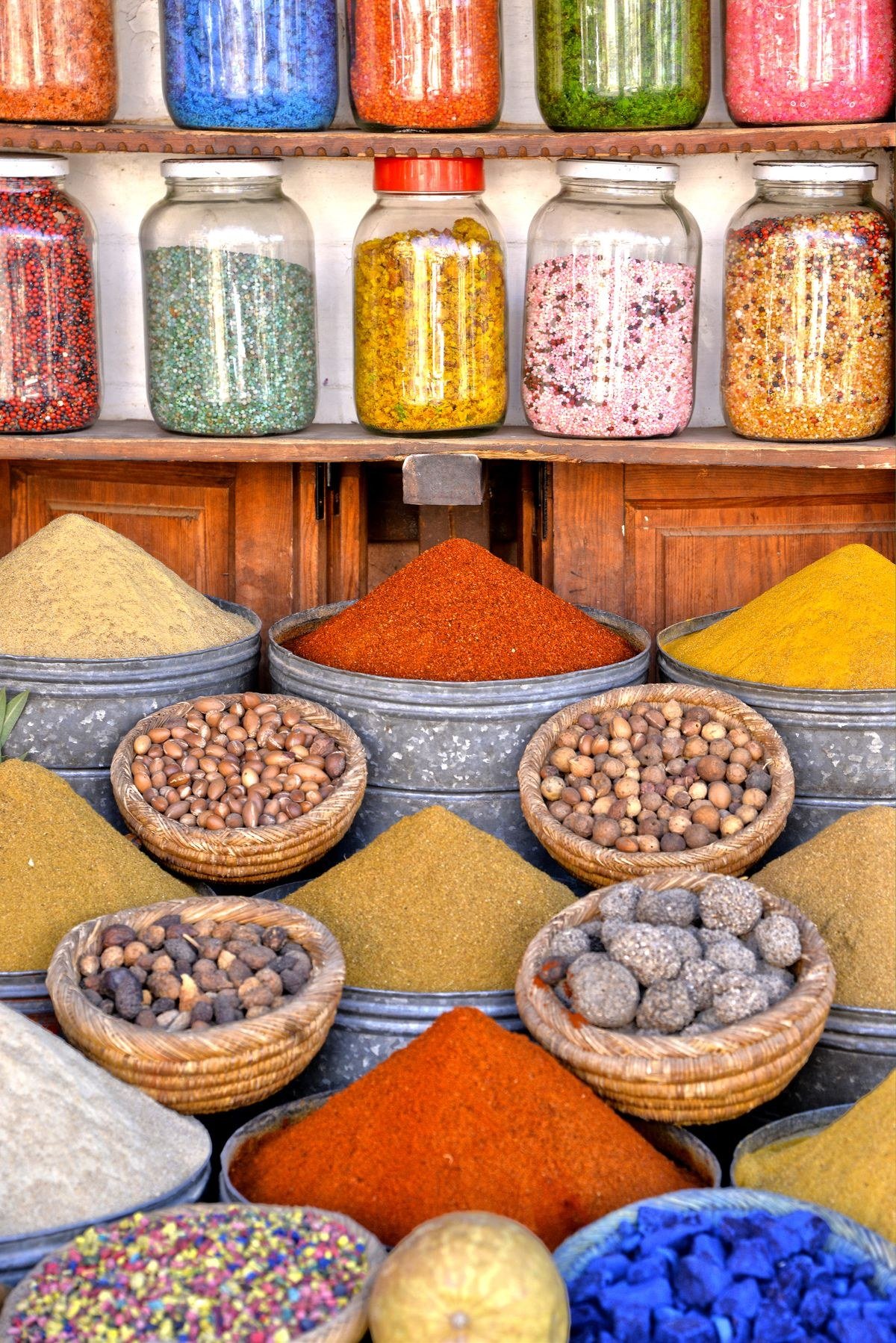
Store-bought blends are convenient, but they come with compromises. Ground spices lose potency within months, yet commercial blends can sit in warehouses for a year before reaching your shelf. When you blend at home from whole spices, you control the freshness, the salt level, and the heat. You also save serious money — a jar of artisan Cajun seasoning can cost as much as the individual spices that make five jars of it. Homemade blends make weeknight cooking faster too: one scoop replaces measuring six separate spices. Once you start, you will wonder why you ever paid for the pre-mixed versions.
Start your blending journey with a single jar of taco seasoning — it is the fastest win and the one you will reach for weekly. Once you taste the difference that fresh cumin makes, you will be motivated to expand. Build your collection gradually: add one new blend a month and you will have a full pantry of custom mixes within a year, without overwhelm or waste.
Essential Equipment for Blending Spices
You do not need fancy gear. A dedicated blade coffee grinder (never used for coffee) is the workhorse for turning whole spices into powder. A mortar and pestle gives you more control and a pleasingly rustic texture for blends like za’atar or dukkah. You will also want measuring spoons, small bowls for staging, a fine-mesh sieve for sifting out stubborn husks, and a funnel for jarring. Airtight glass jars — small mason jars or repurposed spice jars — are essential for storage. Label everything with the blend name and date; your future self will thank you.
A blade grinder reserved for spices is worth the small investment, but a high-powered blender handles larger batches in a pinch. Never use your coffee grinder interchangeably — coffee oils turn rancid and will flavor every blend. If you must share one grinder, grind rice between uses and wipe thoroughly. Some cooks keep two grinders: one for sweet blends, one for savory.
Whole Spices vs. Ground: What to Buy
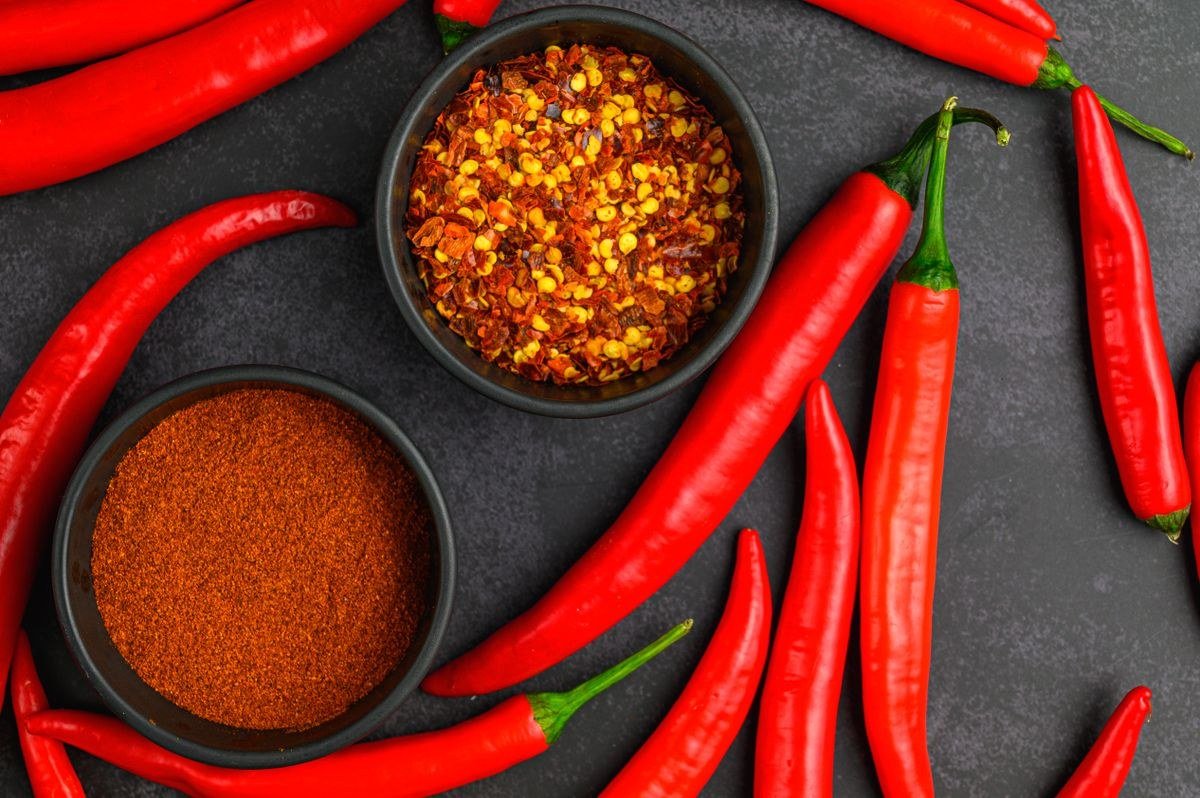
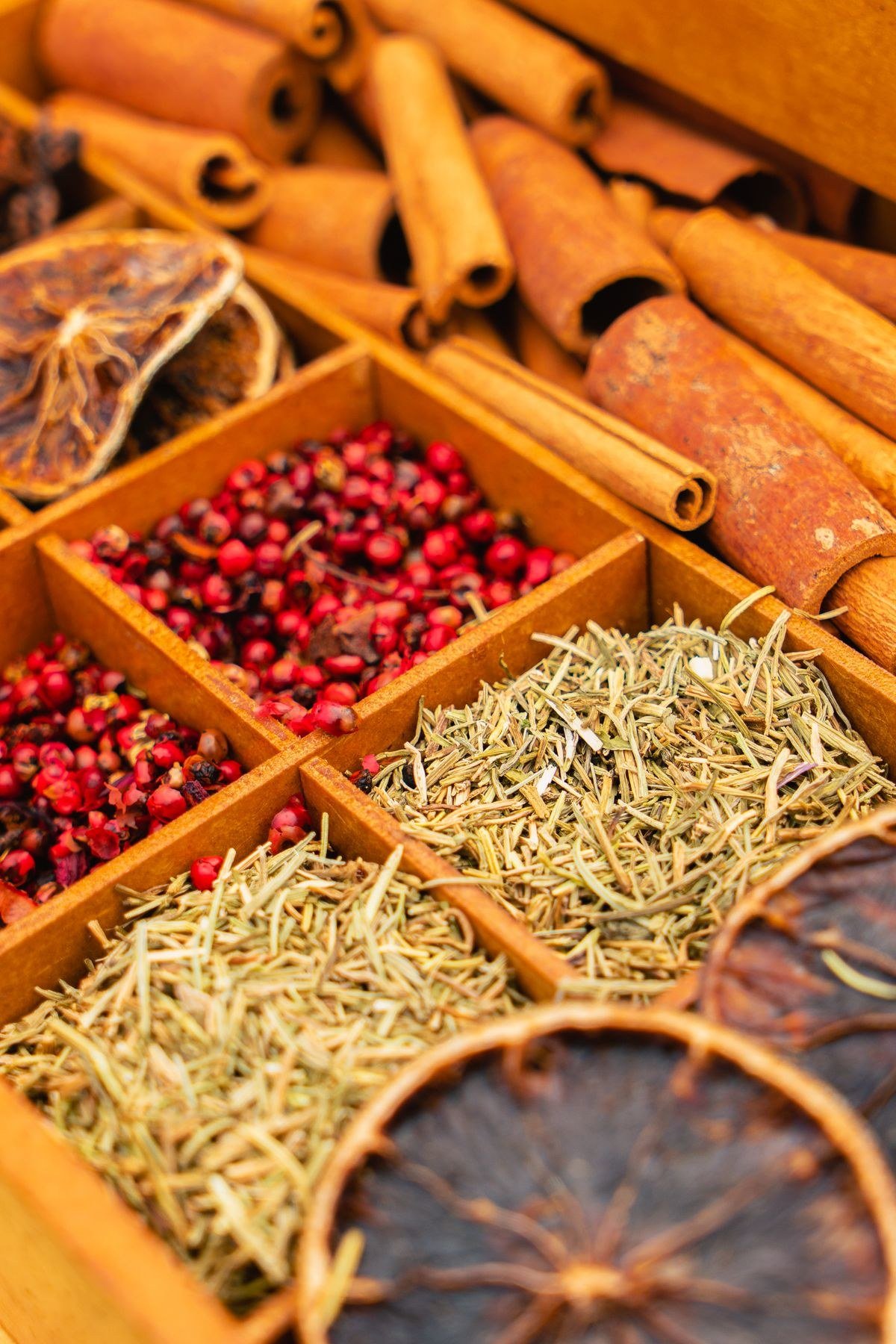
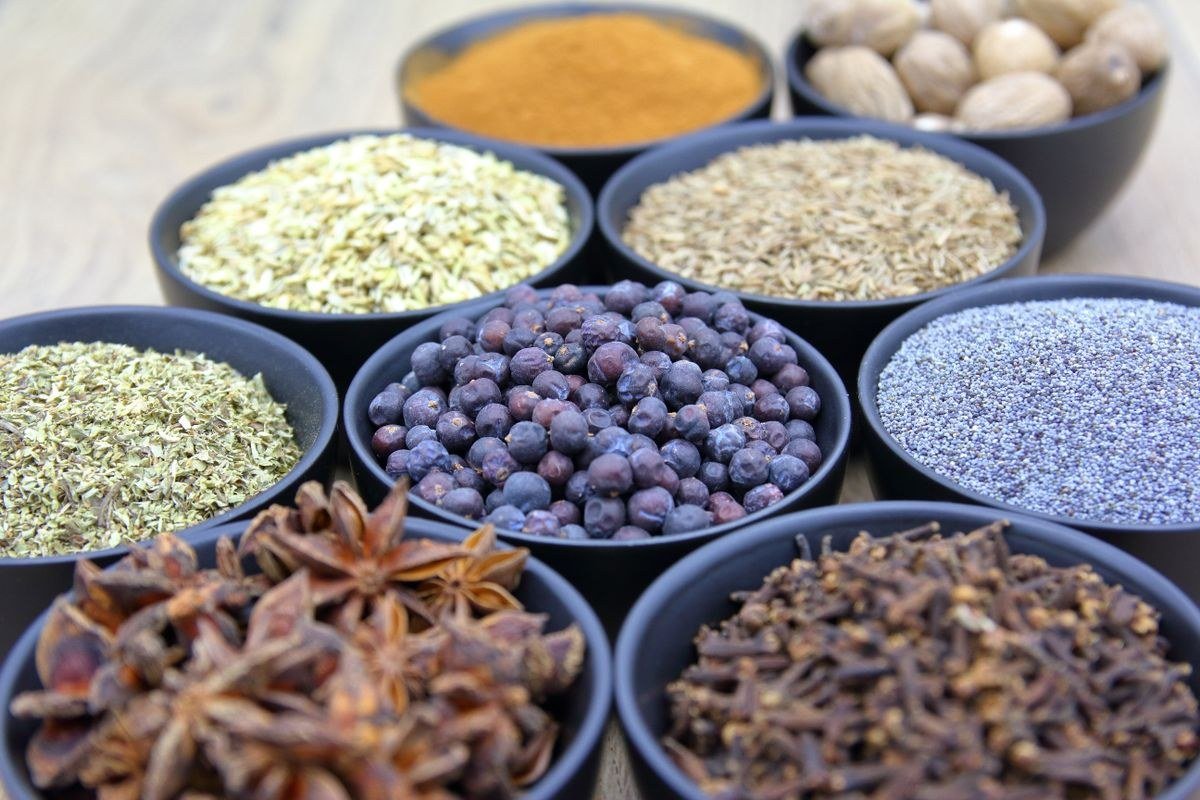
The single biggest quality leap comes from starting with whole spices. Cumin seeds, coriander seeds, black peppercorns, mustard seeds, and dried chiles all grind beautifully and stay potent far longer than their pre-ground versions. Buy whole cinnamon sticks, whole nutmeg, and whole cloves when you can. Some ingredients only exist ground — like turmeric powder or smoked paprika — and that is fine. Shop at stores with high turnover, and sniff before you buy when possible: spices should smell assertive, not dusty. Ethnic grocery stores often sell whole spices in generous bags at a fraction of supermarket prices.
Buy whole spices from bulk bins where turnover is high, and buy small amounts — a cup of cumin seeds lasts for months. Check ethnic markets first; their prices are often a third of supermarket jars. Whole nutmeg, grated fresh with a microplane, tastes dramatically better than pre-ground and lasts for years. Replace ground spices yearly and whole spices every two to three years.
Toasting Spices for Maximum Flavor
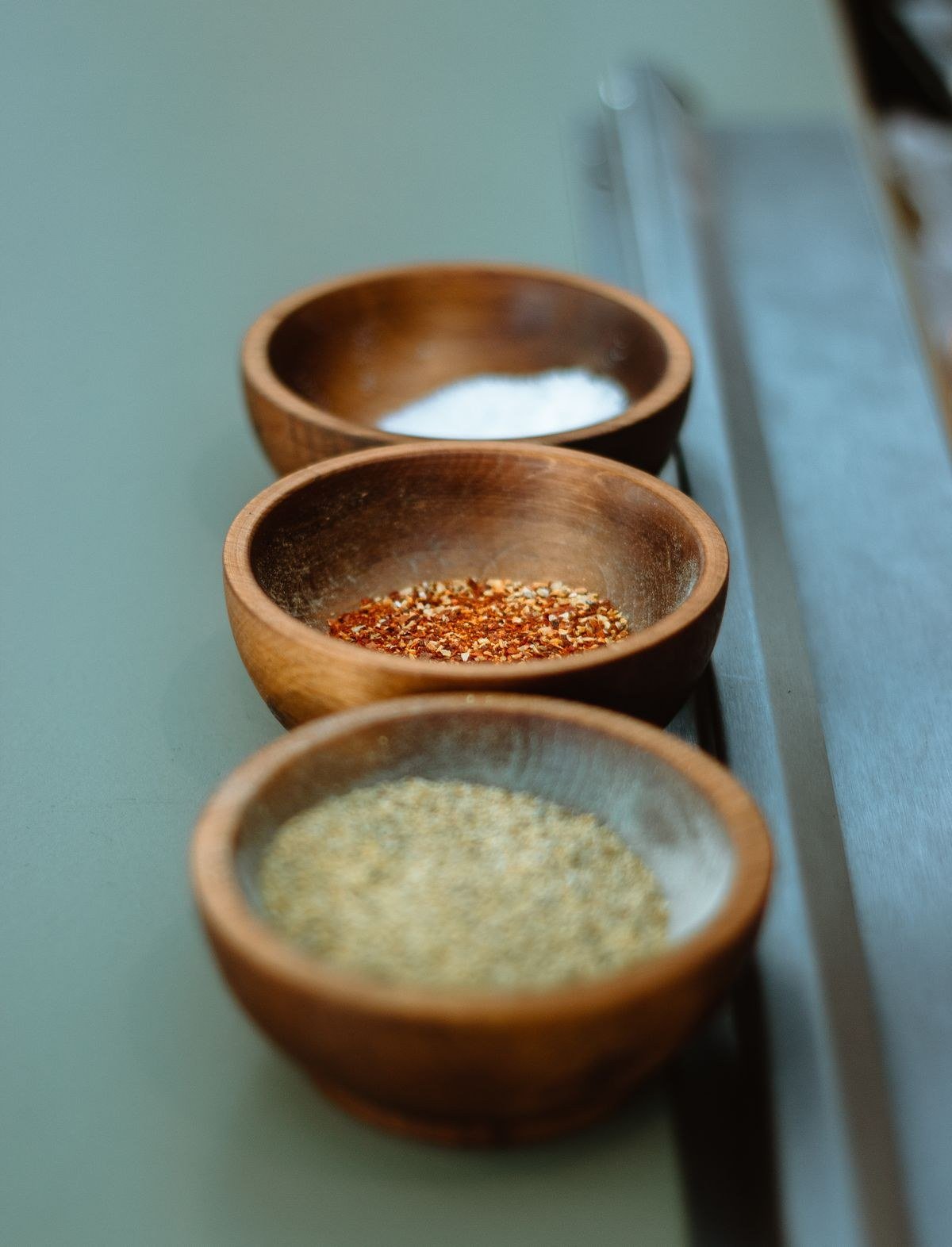
Toasting is the step that separates good blends from extraordinary ones. Heat a dry skillet over medium heat, add your whole spices, and shake the pan for two to four minutes until fragrant and a shade darker. This wakes up the volatile oils and adds depth you cannot get from raw spices. Watch carefully — spices go from toasted to burnt in seconds, and burnt cumin will ruin a whole batch. Let them cool completely before grinding, or the residual heat will create steam and clumping. Skip toasting for delicate dried herbs, which turn bitter with heat.
Different spices toast at different rates, so toast in batches by size: peppercorns and coriander together, delicate cumin and fennel separately, since small seeds burn fastest. Your nose is the timer — when the kitchen smells intensely fragrant and the seeds darken one shade, they are done. Immediately tip them onto a cool plate, because residual pan heat keeps cooking them.
Grinding and Sifting Techniques
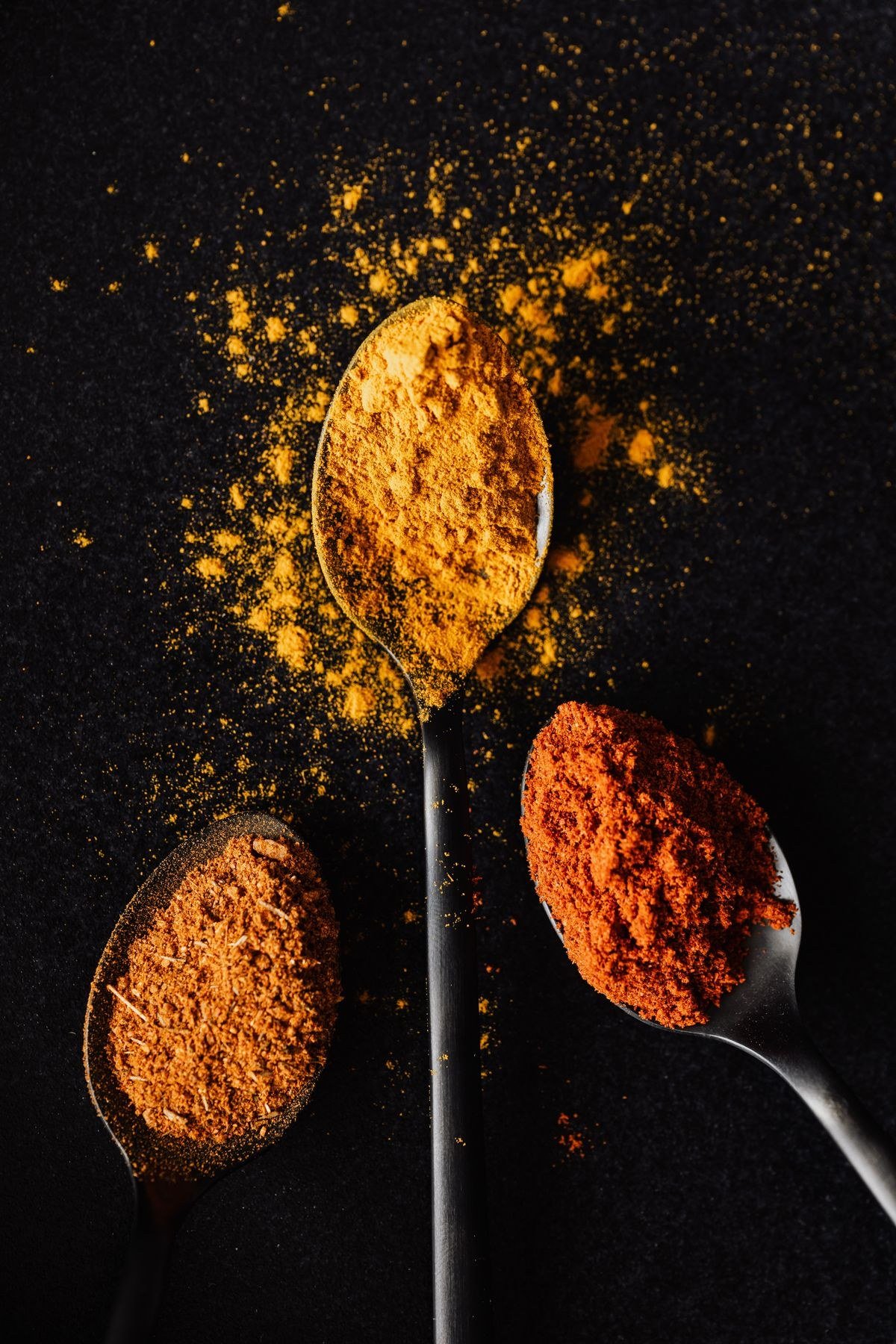
Grind in short pulses rather than one long blitz to avoid heating the spices, which dulls flavor. Shake the grinder between pulses for an even texture. For ultra-smooth blends, sift through a fine-mesh sieve and re-grind any coarse bits left behind. Some blends benefit from texture — a steak rub with cracked pepper and coarse salt, or a dukkah with chunky nuts — so decide the finish before you start. Clean your grinder between blends by grinding a tablespoon of uncooked rice, which absorbs residual oils and odors. Wipe, do not wash, the grinder bowl.
For blends containing salt, add the salt after grinding rather than before — salt dulls grinder blades over time and draws moisture during storage. If your blend includes dried herbs, crumble them in by hand after grinding the hard spices; the grinder turns herbs to dust and kills their texture. Always grind chiles with the ventilation on and avoid breathing the dust.
Classic Taco Seasoning Blend
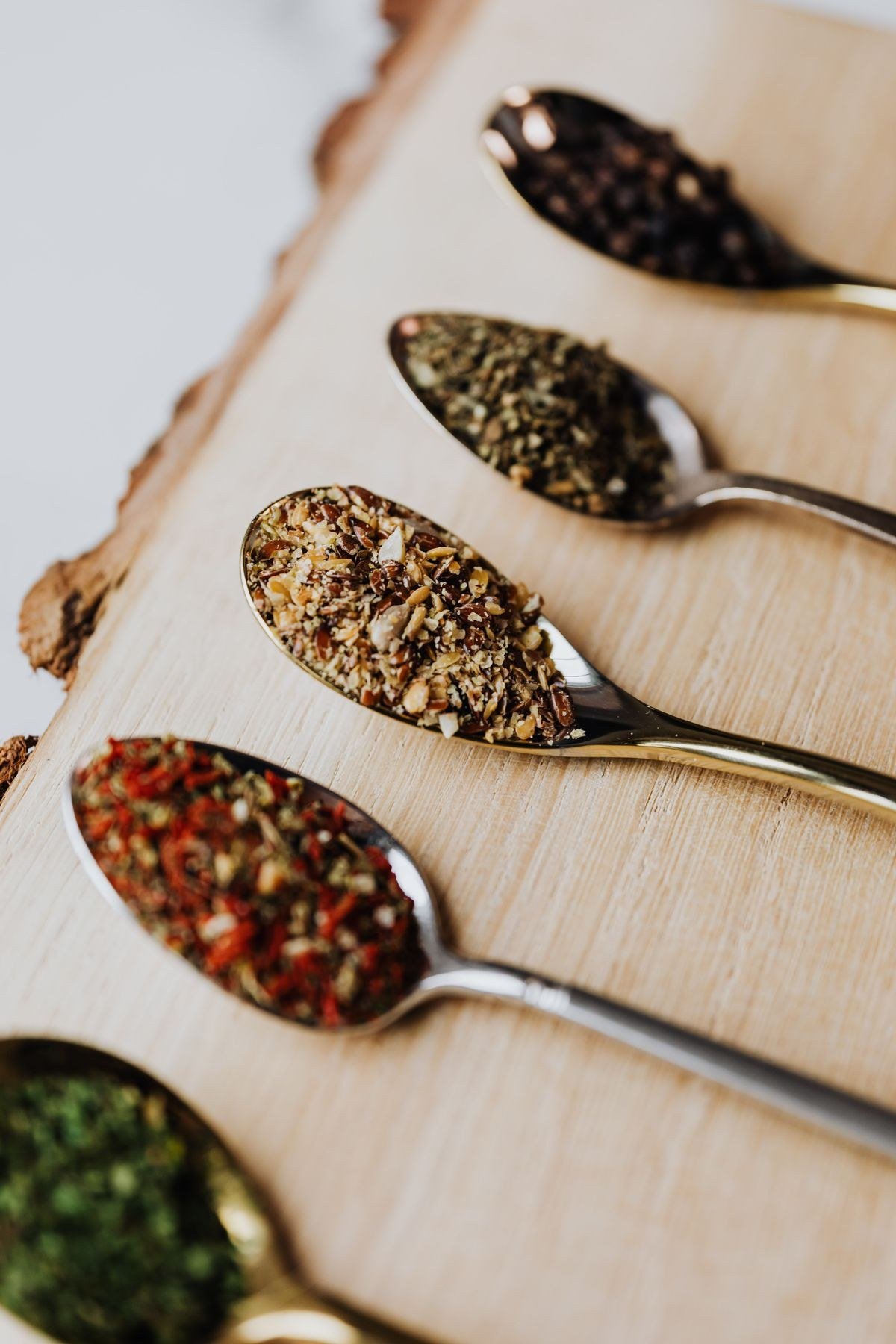
This is the blend that converts people to homemade mixing forever. Combine 2 tablespoons chili powder, 1 tablespoon ground cumin, 2 teaspoons smoked paprika, 2 teaspoons dried oregano, 1 teaspoon garlic powder, 1 teaspoon onion powder, 1 teaspoon salt, and half a teaspoon each of black pepper and cayenne. Use two to three tablespoons per pound of ground meat, adding a splash of water to help it coat. It beats the packet on flavor and lets you dial the heat. Double or triple the batch — you will use it on roasted vegetables, beans, and grilled chicken too.
Beyond tacos, this seasoning transforms roasted sweet potatoes, black bean soup, grilled corn, and even popcorn. Stir a teaspoon into sour cream for an instant dip, or mix with olive oil as a marinade for chicken thighs. Keep a shaker of it on the table like salt — guests will use it on everything. It is the hardest-working jar in the pantry.
Smoky Barbecue Dry Rub
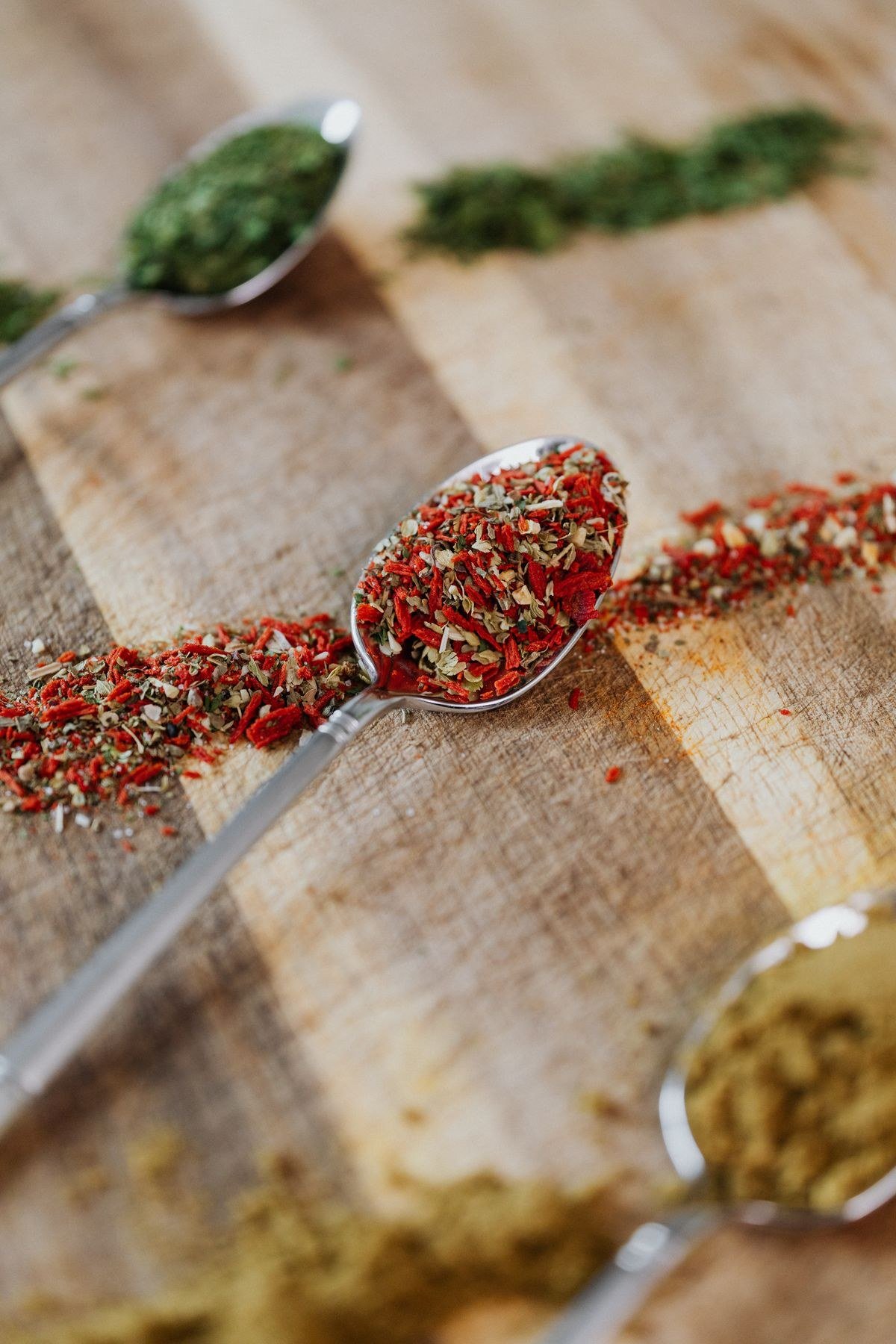
A great barbecue rub balances sweet, heat, and smoke. Mix a quarter cup brown sugar, 2 tablespoons smoked paprika, 1 tablespoon each of kosher salt, black pepper, and garlic powder, plus 2 teaspoons each of onion powder and mustard powder and 1 teaspoon cayenne. The sugar caramelizes into a beautiful bark on ribs, brisket, and chicken. Apply generously — about a quarter cup per rack of ribs — and let it sit at least an hour, or overnight in the fridge. For a Kansas City style sweetness, add a tablespoon more sugar; for Texas style, cut the sugar in half and double the pepper.
Apply dry rubs the night before for maximum penetration — the salt works into the meat like a dry brine. Pat meat dry first so the rub adheres instead of sliding off. For ribs, remove the membrane before rubbing. Let rubbed meat sit at room temperature for thirty minutes before cooking for even results. Save some rub to sprinkle on at the table for a fresh hit of spice.
Aromatic Garam Masala
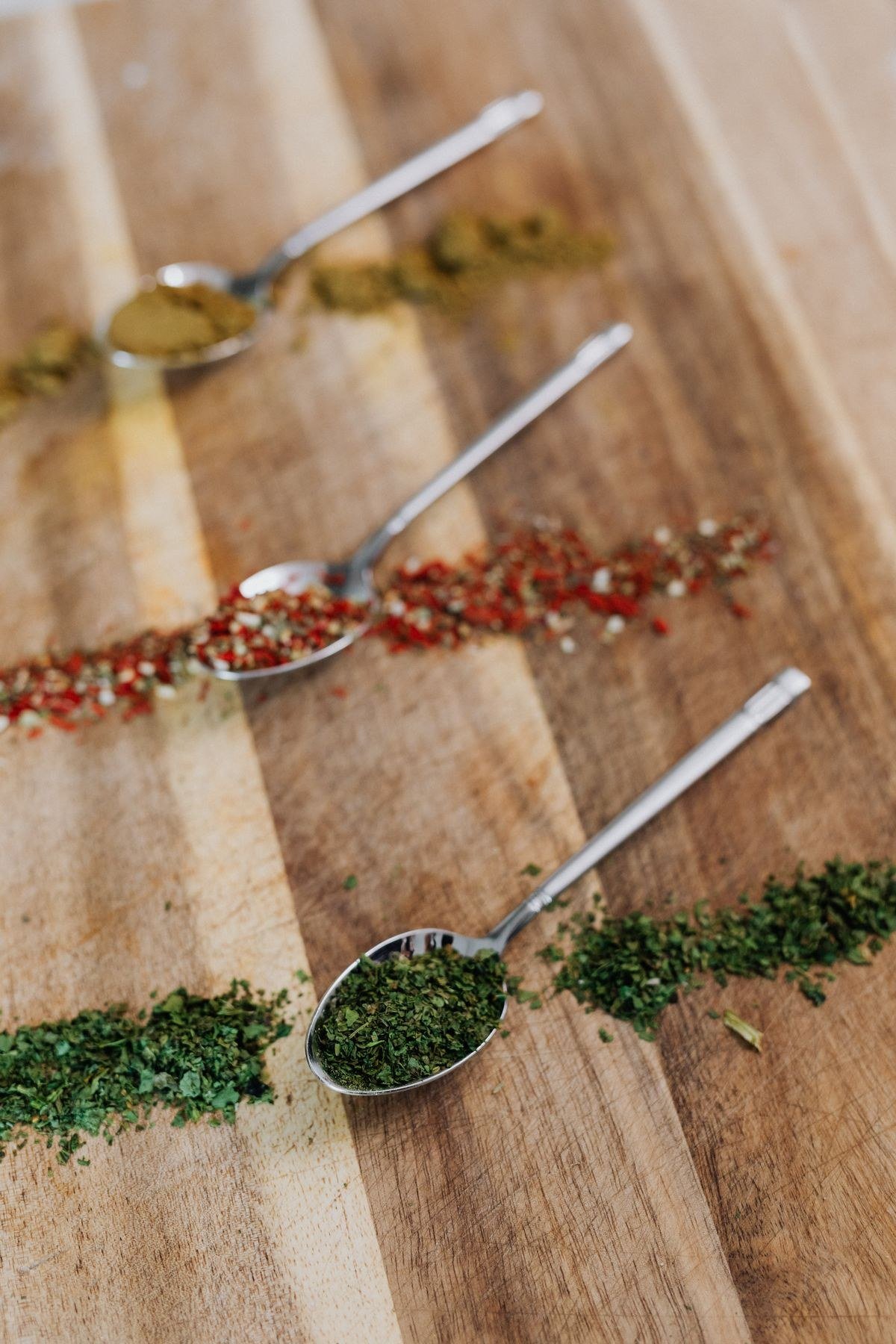
Garam masala is a finishing blend, stirred in at the end of cooking for its warming aroma. Toast 2 tablespoons coriander seeds, 1 tablespoon cumin seeds, 1 tablespoon black peppercorns, 8 green cardamom pods, 4 whole cloves, a 2-inch cinnamon stick, and 1 teaspoon fennel seeds until fragrant. Cool, then grind with half a grated nutmeg and 1 teaspoon ground mace if you have it. Every region of India has its own version — North Indian blends lean on cardamom and cinnamon, while southern versions may include dried chiles. Make small batches; the aroma fades faster than you expect.
Garam masala varies enormously by region and family, so treat any recipe as a starting point. Kashmiri versions include saffron and fennel while Bengali versions add more cardamom. Once you find your preferred balance, write it down — memory is unreliable with eleven spices. Add it in the last five minutes of cooking, because prolonged heat destroys its delicate top notes.
Italian Herb Seasoning
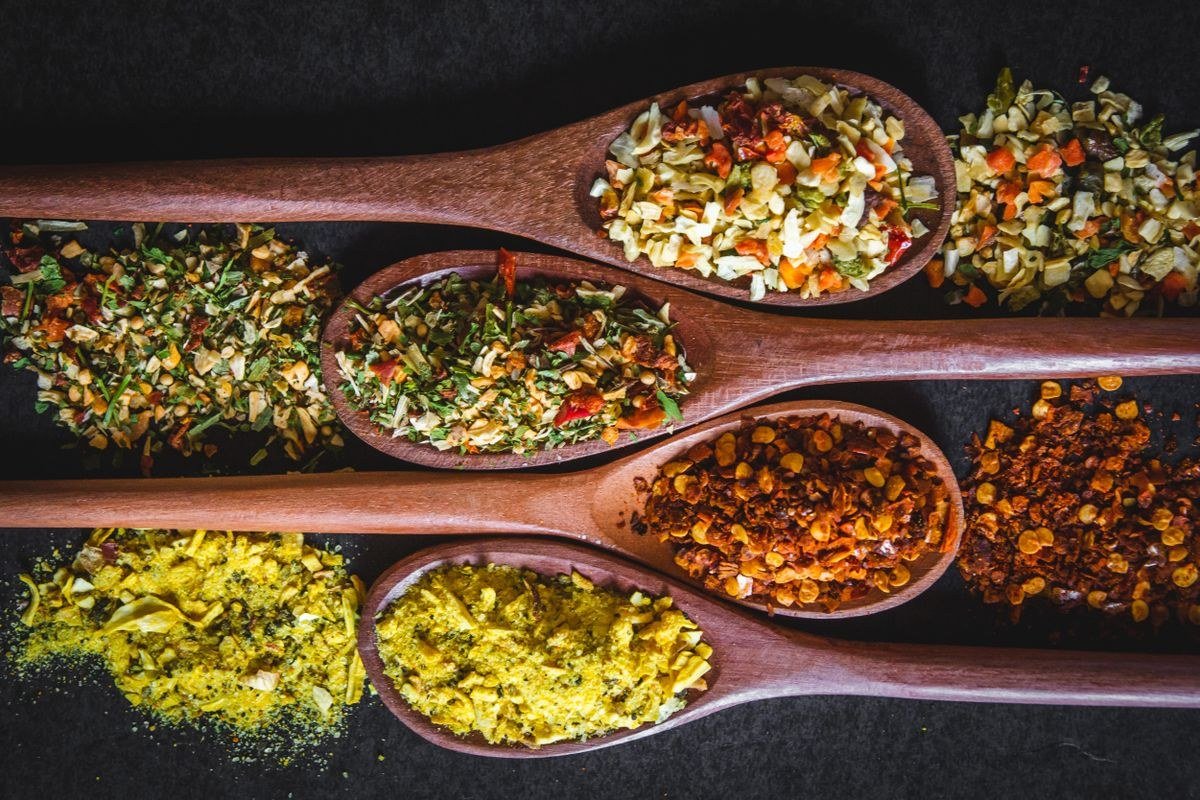
This Mediterranean workhorse belongs in every kitchen. Combine 2 tablespoons each of dried basil, dried oregano, and dried parsley, 1 tablespoon each of dried thyme and dried rosemary (crushed), plus 1 teaspoon each of garlic powder, onion powder, and red pepper flakes, and half a teaspoon of salt. Use it on roasted vegetables, in tomato sauce, on focaccia, or mixed with olive oil as a bread dip. Because it is herb-based, skip the toasting step — just crumble everything between your fingers as you mix to release the oils. It also makes a wonderful gift paired with a bottle of olive oil.
This blend also makes an excellent compound butter: mash two teaspoons into softened butter with lemon zest for an instant upgrade to grilled bread, steak, or vegetables. Stir it into ricotta for a quick pasta sauce, or into olive oil with balsamic for dipping. Dried herbs lose potency faster than ground spices, so make herb-heavy blends in smaller batches.
Cajun Blackening Spice
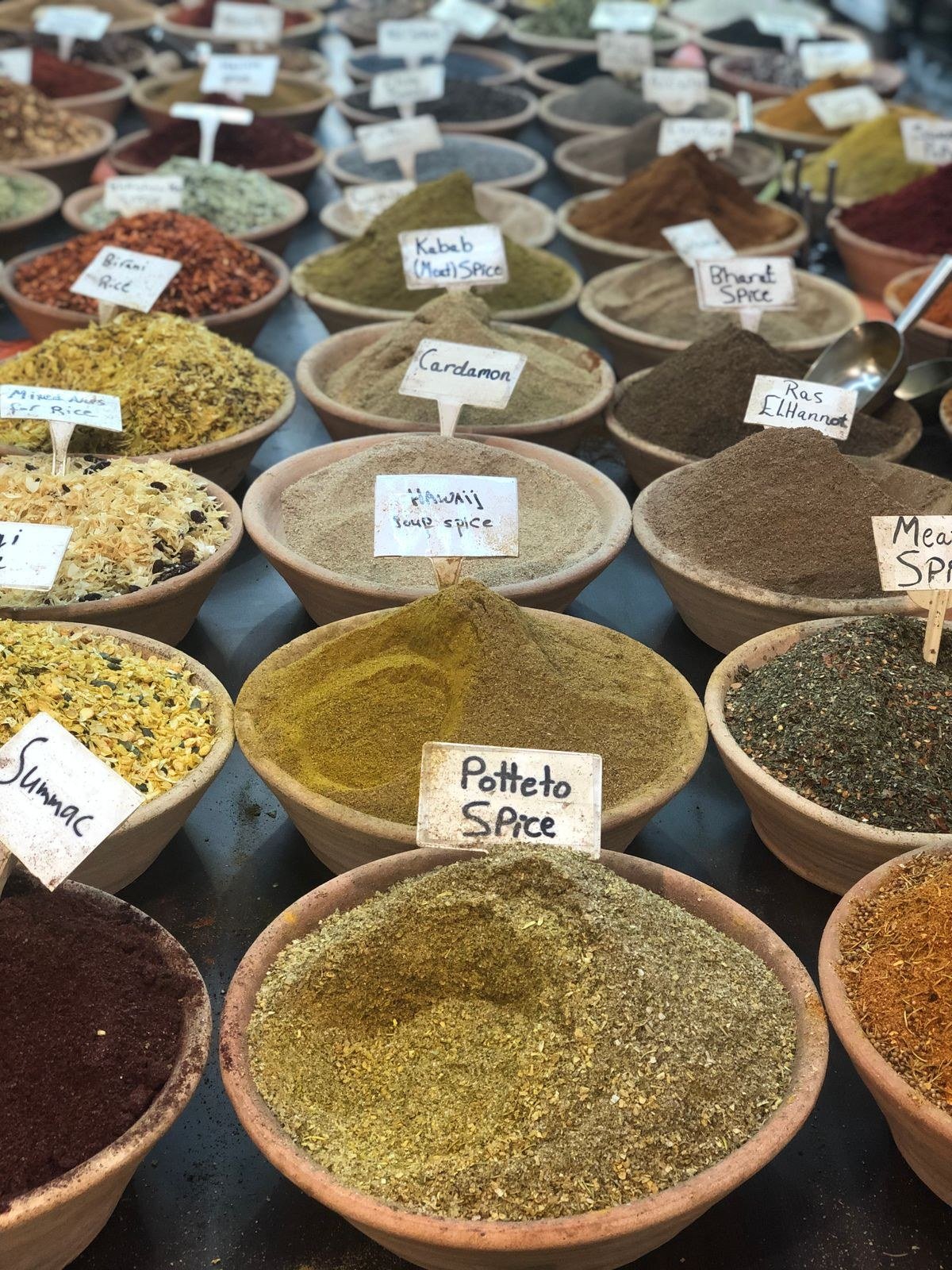
Cajun seasoning brings Louisiana heat to fish, chicken, and shrimp. Mix 2 tablespoons paprika, 1 tablespoon each of garlic powder, onion powder, and dried oregano, 2 teaspoons each of dried thyme, cayenne, and black pepper, and 1 tablespoon salt. For true blackening, coat fish fillets heavily and sear in a screaming-hot cast iron skillet with butter — the spices char into a spicy crust. Dial the cayenne up or down to taste; authentic versions have real kick. This blend also transforms roasted potatoes, corn on the cob, and even popcorn into something special.
Cajun seasoning’s best trick is blackening: get cast iron ripping hot, dip seasoned fish in melted butter, and sear two minutes per side. Ventilate well, because it gets smoky. Beyond protein, toss it with roasted cauliflower, stir into creamy pasta sauce, or rim a Bloody Mary glass with it. The blend’s balance of herbs and heat makes it more versatile than plain cayenne.
Cozy Pumpkin Spice Blend

Skip the overpriced seasonal jars and blend your own. Mix 3 tablespoons ground cinnamon, 2 teaspoons ground ginger, 2 teaspoons ground nutmeg, 1 and a half teaspoons ground allspice, and 1 and a half teaspoons ground cloves. That is it — no fillers, perfectly balanced. Stir a teaspoon into coffee, oatmeal, pancake batter, or whipped cream. It elevates roasted butternut squash and sweet potatoes beautifully. Because the spices are all ground, this blend comes together in under two minutes. Make a big batch in autumn; small jars tied with ribbon make lovely host gifts.
Homemade pumpkin spice upgrades far more than lattes. Add it to whipped cream, French toast custard, roasted squash, and even chili for mysterious warmth. Mix with sugar for a spiced rim on autumn cocktails. Because you control the ratios, increase the ginger for bite or the nutmeg for richness. One batch flavors a whole season of baking.
Middle Eastern Za’atar
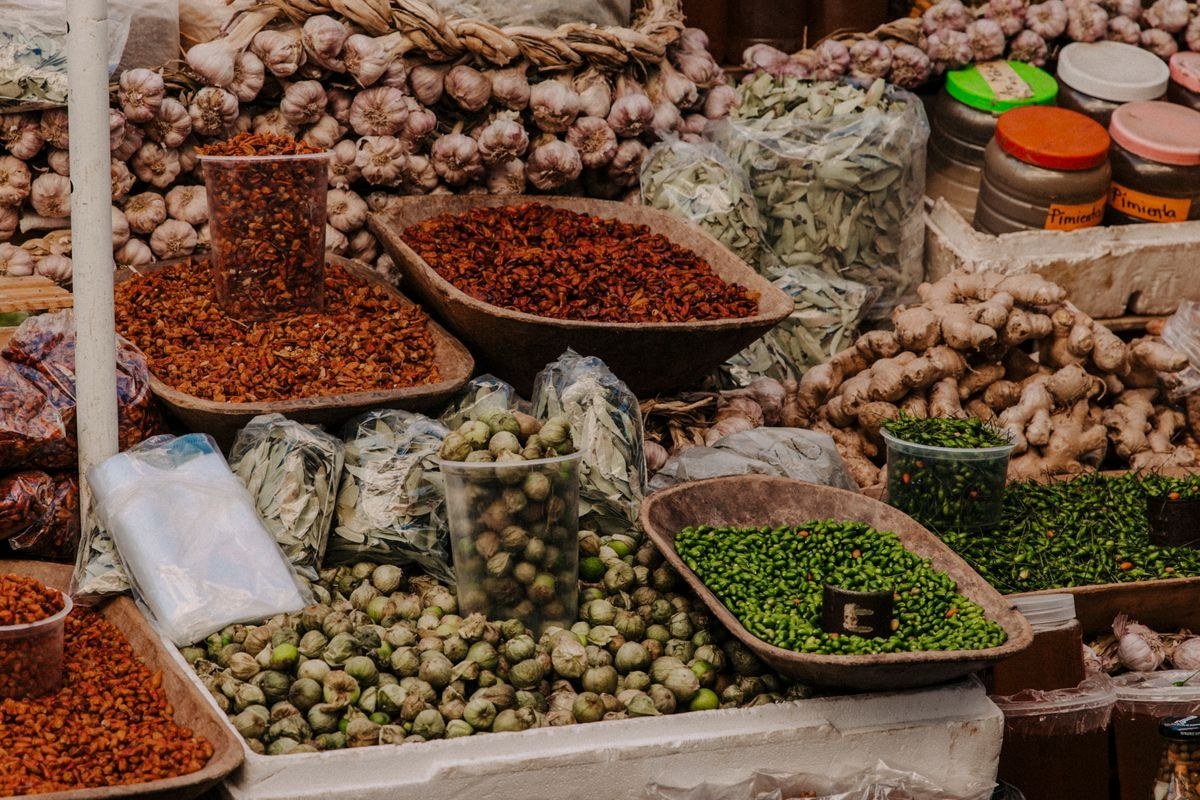
Za’atar is less a recipe than a tradition, with countless regional versions. A classic mix: 2 tablespoons dried thyme (or a thyme-oregano mix), 2 tablespoons toasted sesame seeds, 1 tablespoon ground sumac, and half a teaspoon of salt. Some versions add marjoram or toasted cumin. The sumac gives it a lemony brightness that is unmistakable. Serve the traditional way — with olive oil and warm flatbread for dipping — or sprinkle over hummus, roasted chicken, labneh, or avocado toast. Keep the sesame seeds whole and toasted for the best texture; grind only if you prefer a finer blend.
Za’atar’s highest calling is manoushe — flatbread spread with za’atar and olive oil, baked until crisp. At home, brush pita with olive oil, shower with za’atar, and bake at 450 degrees for five minutes. It transforms simple labneh into an appetizer and elevates roast chicken dramatically. The sumac’s lemony tang means you can skip additional acid in dressings.
Ras el Hanout: The Moroccan Classic
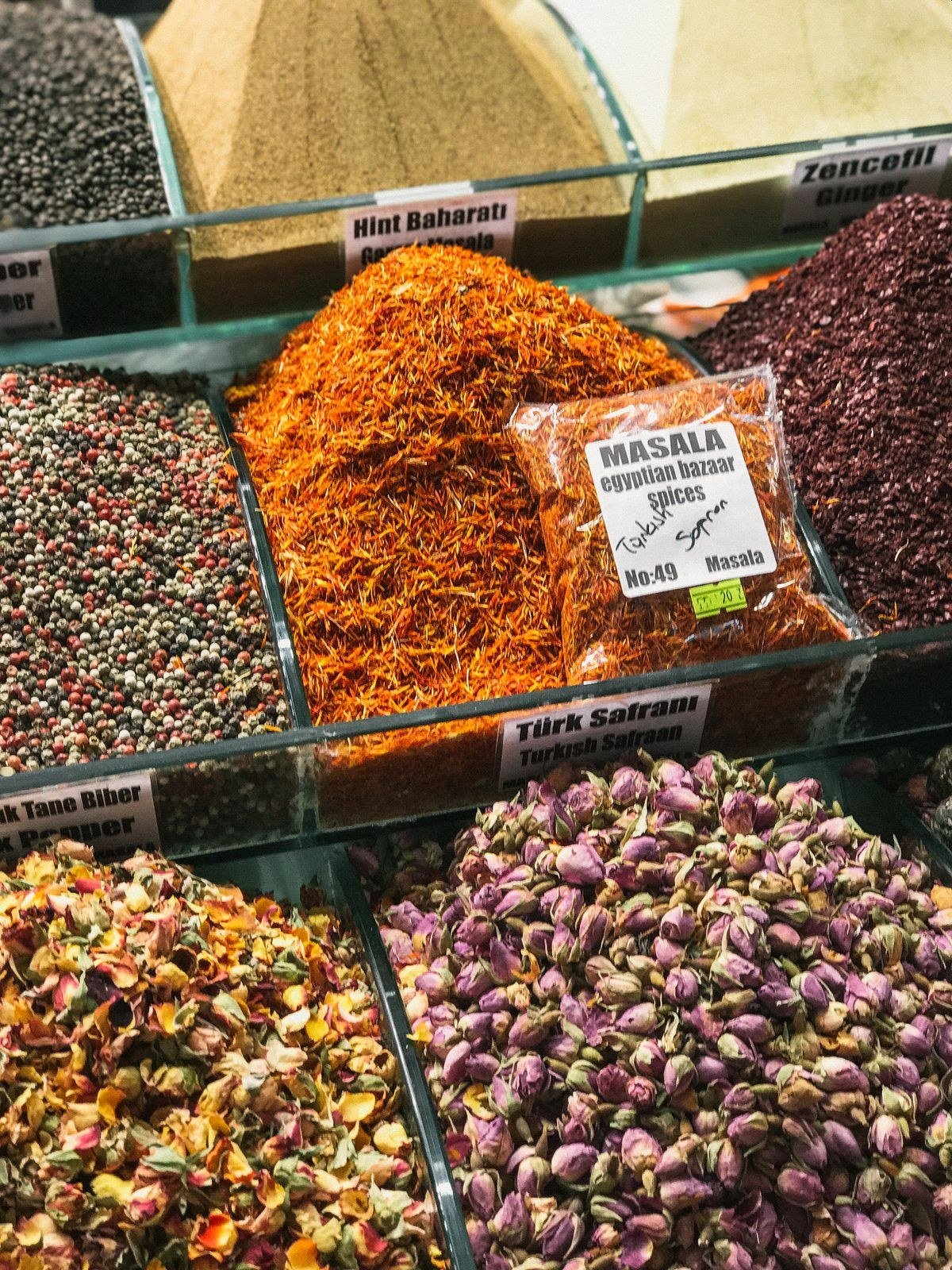
Ras el hanout means “head of the shop” — traditionally the merchant’s finest mix, sometimes with a dozen or more spices. A home version: 2 teaspoons each of ground ginger, turmeric, and cinnamon, 1 teaspoon each of coriander, cumin, and paprika, half a teaspoon each of black pepper, allspice, and cardamom, plus quarter teaspoons of cloves, nutmeg, and cayenne. Toast the whole-seed components first for depth. Use it in tagines, couscous, roasted carrots, and lentil stews. Like garam masala, add it toward the end of cooking to preserve its complex perfume.
Ras el hanout shines in slow-cooked dishes where its complexity has time to bloom. Rub it on lamb shoulder before braising, stir into lentil soup, or toss with roasted root vegetables and honey. It pairs beautifully with dried fruits like apricots and dates in tagines. Start with less than you think, because its intensity builds — a little goes a remarkably long way.
Everything Bagel Seasoning
This crunchy, savory sprinkle escaped the bagel shop and conquered everything. Mix 2 tablespoons each of white sesame seeds, black sesame seeds, and poppy seeds with 1 tablespoon each of dried minced garlic, dried minced onion, and flaky sea salt. Toast the sesame seeds lightly first for nuttiness. Beyond bagels with cream cheese, scatter it over avocado toast, roasted vegetables, salads, homemade crackers, and even fried eggs. It adds texture and savory punch to anything bland. The flaky salt is key — fine salt disappears, but flakes give those delightful crunchy hits.
Make a double batch of everything bagel seasoning and keep one jar by the stove. Beyond the obvious, it crowns avocado toast, upgrades store-bought hummus, and adds crunch to mac and cheese. Stir into cream cheese for an instant flavored spread, or sprinkle over roasted salmon before baking. The combination of seeds, garlic, and flaky salt improves almost anything bland.
Herbes de Provence

This French classic perfumes roasted chicken, grilled fish, and ratatouille. Combine 2 tablespoons each of dried thyme, dried rosemary, and dried oregano, 1 tablespoon each of dried marjoram and dried savory, plus 1 teaspoon of dried lavender buds and half a teaspoon of fennel seeds. The lavender is the signature — use culinary-grade buds and do not overdo it, or the blend turns soapy. Crush the rosemary lightly so no one gets a woody needle. Tuck a jar into a gift basket with olive oil and a baguette for an instant French picnic kit.
Herbes de Provence is the backbone of a classic French vinaigrette: whisk a teaspoon into olive oil, red wine vinegar, and Dijon. Rub it under chicken skin with butter before roasting for the full Provencal effect. It perfumes grilled fish beautifully and turns simple roasted potatoes into something special. Add it early in long-cooked dishes so the flavors marry fully.
Storing Blends for Lasting Freshness
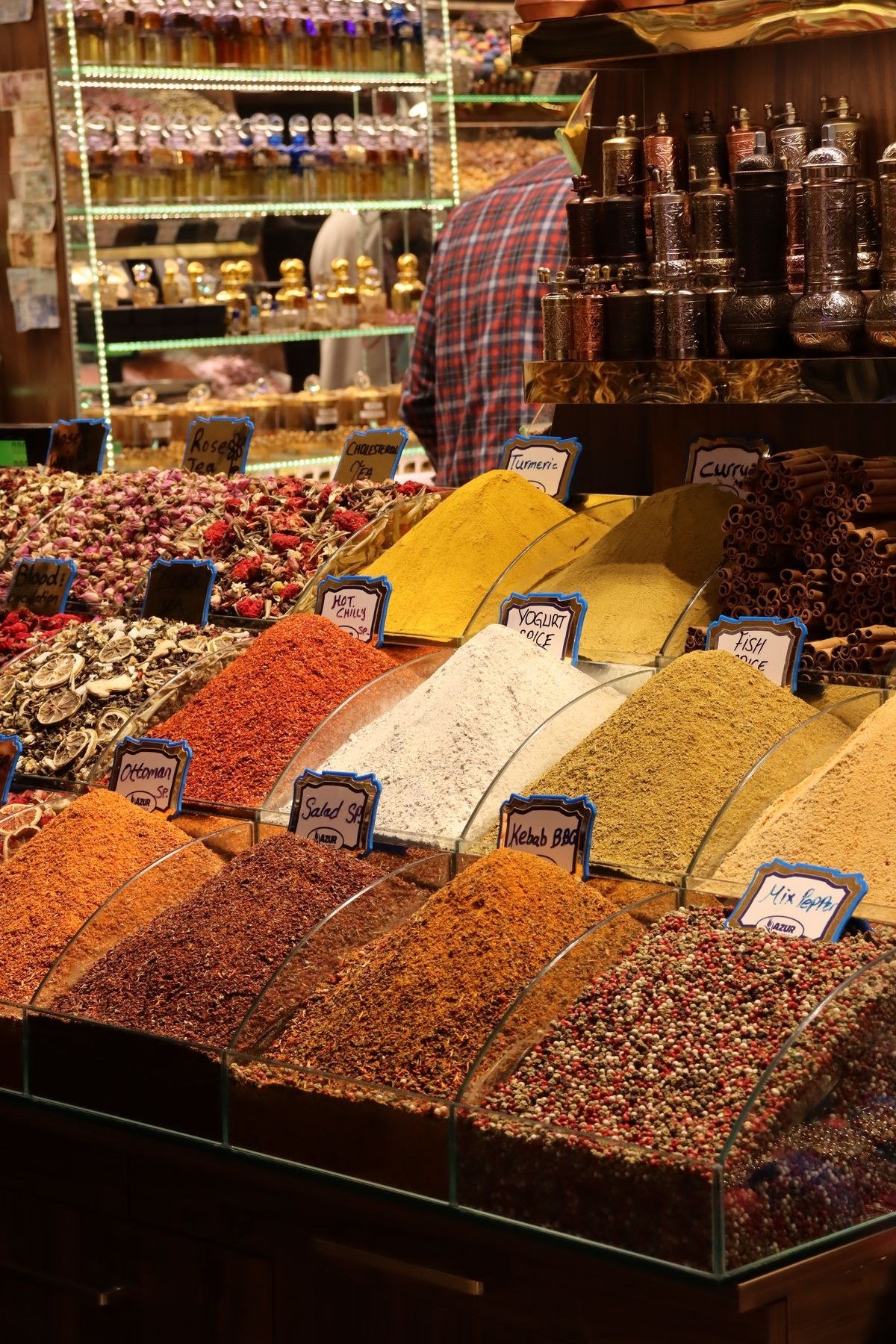
Light, heat, and air are the enemies of spice blends. Store jars in a cool, dark cabinet — never above the stove, where heat and steam degrade them daily. Airtight glass is ideal; avoid clear plastic bags for long-term storage. Label every jar with the blend name and the date you made it. Ground blends stay vibrant for about six months; whole-spice blends you grind fresh last longer. Do the sniff test before using an old blend: if it smells faint, double the amount or make a fresh batch. Small batches made often beat big batches made once.
Humidity is the silent killer of spice blends. In damp climates, add a food-safe silica packet to each jar. Always use dry spoons — one wet dip introduces enough moisture to cake the whole jar. If a blend does clump, break it up and use it quickly rather than trying to rescue it long-term. Small fresh batches beat large stale ones every time.
Scaling Recipes Up or Down
Spice blend recipes scale beautifully because they are all ratios. The recipes here make roughly a quarter to a half cup — perfect for trying. To scale up for gifts or a restaurant-size stash, convert to weights with a kitchen scale for accuracy; volume measurements get imprecise past a few cups. When scaling down for a single dish, keep the proportions and just make a tablespoon or two. One caution: salt and heat do not always scale linearly to taste, so when making a giant batch, mix everything except the salt and cayenne, taste, then adjust.
When scaling for gifts, mix in a huge bowl with a whisk, then jar with a canning funnel for speed. Make a master recipe card with weights — grams are far more reliable than cups at scale. Taste the scaled batch before jarring, because small errors multiply. One large batch of taco seasoning fills twelve small gift jars, making holiday giving almost effortless.
Gifting Homemade Spice Blends
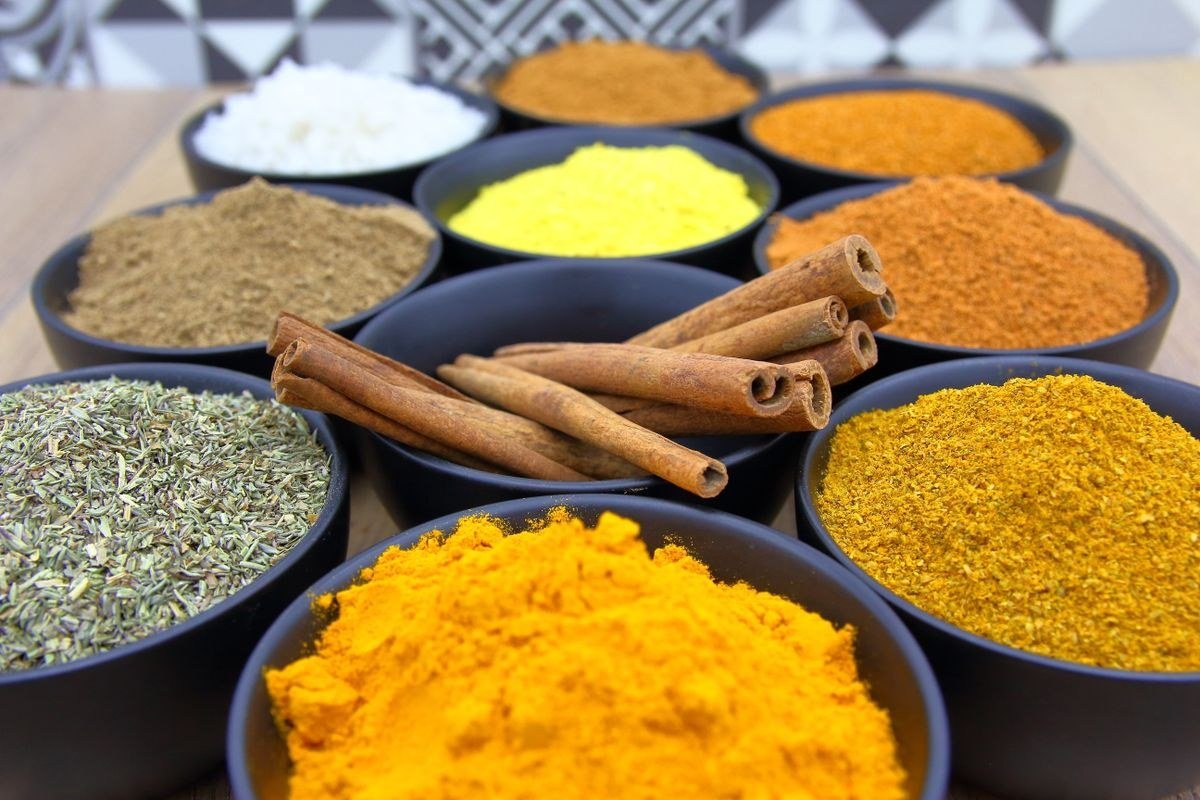
Homemade spice blends are among the best food gifts: personal, inexpensive, and genuinely useful. Use small 4-ounce mason jars, add a handwritten label with the blend name, date, and a suggested use. Tie on a ribbon and tuck in a recipe card — taco seasoning with a chili recipe, or herbes de Provence with a roast chicken method. Assemble themed sets: a barbecue trio, an international collection, or a baker’s set with pumpkin spice and chai mix. They keep for months, ship well, and suit every holiday from housewarmings to Christmas.
Pair blends thoughtfully for gift sets: taco seasoning with a chili recipe, Italian herbs with quality olive oil, pumpkin spice with a mug and cocoa mix. Include a card with three specific uses, because people use gifts they know how to use. Wrap jars in a tea towel instead of a bag for a zero-waste presentation that looks genuinely charming.
Troubleshooting Common Blend Problems
Building Your Own Signature Blend

I am Talha Sikandar, a professional writer with a passion for general blogging. With years of experience in content writing and research, I founded Meaniingly.com to deliver well-researched, informative, and user-friendly articles on diverse topics.