“Khaki coded” is the fashion world’s love letter to the most underrated neutral: khaki in all its sandy, olive, stone, and taupe glory. More than just a color, going khaki coded means building outfits around khaki’s earthy versatility — monochromatic tonal looks, safari-inspired utility, elevated neutrals for the office, and relaxed weekend ease. This guide breaks down the aesthetic completely: the shades that count as khaki, how to style them head-to-toe without looking washed out, outfit formulas for every occasion and season, fabric and fit guidance, accessories, and the styling tricks that make khaki look intentional and expensive rather than bland.

What Does “Khaki Coded” Actually Mean?

“Khaki coded” is social media shorthand for outfits built around khaki and its extended family of earthy neutrals — tan, beige, sand, stone, olive, taupe, and camel. The “coded” suffix signals that the color choice is deliberate and identity-adjacent, like a dress code you chose for yourself: it suggests someone practical, grounded, effortlessly put-together, with a hint of safari adventurer or off-duty model. The aesthetic sits at the intersection of utility wear, quiet luxury, and minimalist earth tones. What makes it compelling is khaki’s unique position: neutral enough to match everything, but warmer and more interesting than grey or black. Going khaki coded is a styling commitment — wearing the palette head-to-toe or as the dominant note — and when done well, it looks expensive, cohesive, and quietly confident. It is the opposite of boring beige: it is beige with intention.
The Khaki Shade Spectrum

Khaki is not one color but a family, and knowing the shades is the foundation of the look. Classic khaki: the yellowish-tan of military uniforms, warm and mid-toned. Sand and beige: lighter, softer, with pink or grey undertones. Stone and greige: cooler khakis with grey undertones — modern and sleek. Olive and army green: khaki’s green cousin, essential for depth. Camel and tan: richer, warmer, more golden. Taupe: the brownish-grey bridge between khaki and brown. Dark khaki and bronze: deep, grounding shades for contrast. The magic of khaki-coded dressing is mixing several of these in one outfit — sand trousers, a camel coat, a stone top, olive accessories — creating tonal richness that reads as intentional rather than matchy. Learn your undertone: warm skin glows in golden khakis and camel; cool skin shines in stone, greige, and olive. When in doubt, hold fabric to your face in natural light — the right khaki makes your skin look alive.
The Tonal Monochrome Formula

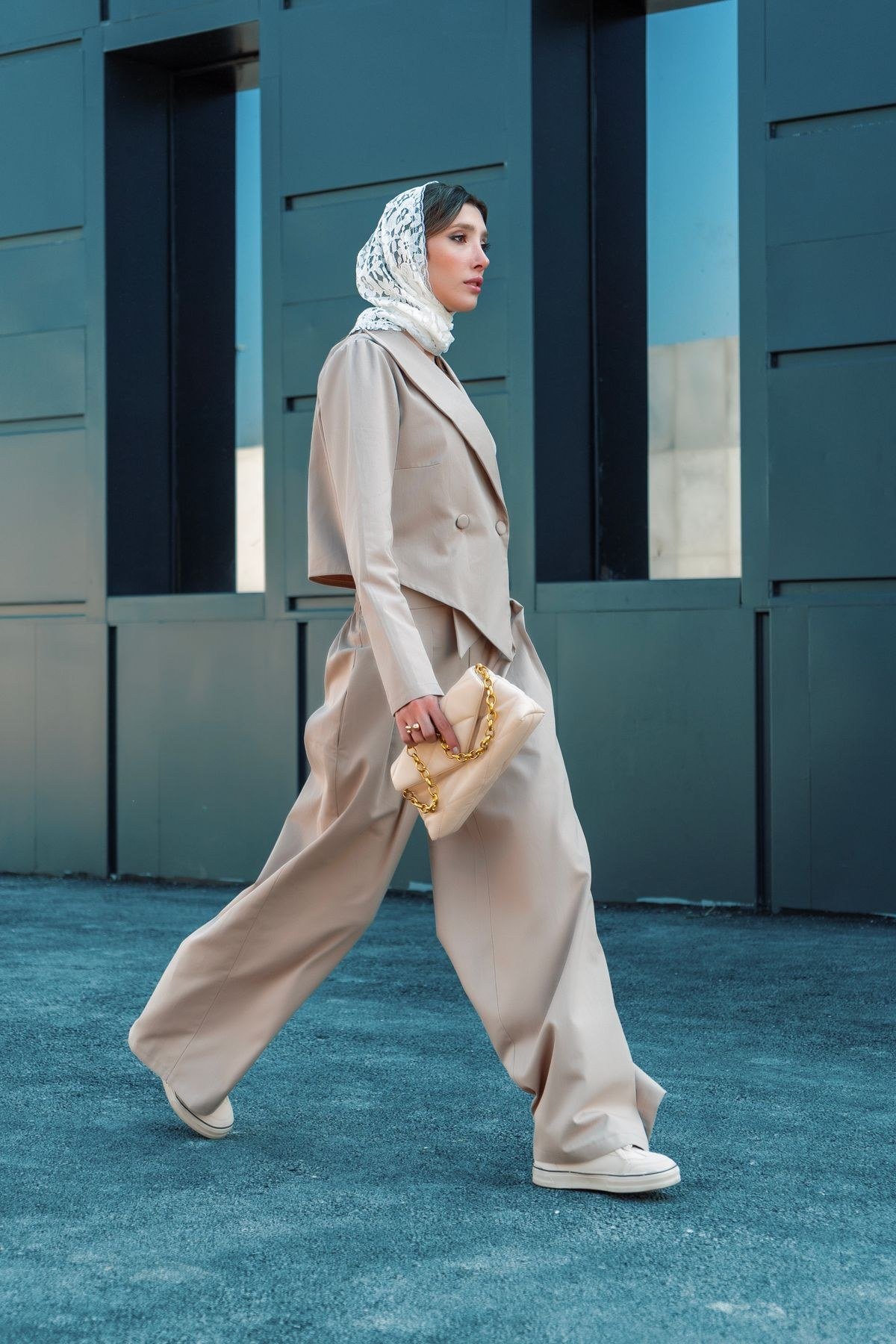
The signature khaki-coded outfit is tonal monochrome: multiple khaki shades worn together in one cohesive column. The formula is simple — pick three to four shades from light to dark and distribute them across your outfit: for example, stone wide-leg trousers, a sand knit top, a camel oversized blazer, and bronze loafers. The key rules: vary the shades enough that each piece is distinguishable (head-to-toe identical khaki looks like a uniform), and vary textures to create depth — matte wool, smooth leather, soft knit, crisp cotton. Break up the column with skin (an open neckline, rolled sleeves) or a contrasting accessory. Tonal dressing is inherently elongating and looks far more expensive than its components, which is why it is a quiet-luxury staple. It also simplifies mornings: when everything is khaki, everything matches. Master this formula and you have a week’s worth of outfits from a single palette.
Office-Ready Khaki Outfits

Khaki coded is a power move at the office — softer than black suiting but every bit as authoritative. The foundation: impeccably tailored pieces in stone, sand, or classic khaki — a structured blazer, wide-leg or tapered trousers, a crisp poplin shirt or silk blouse. Elevate with texture: a camel wool blazer over a sand silk camisole, stone trousers, and leather loafers reads as executive polish. For business formal, a khaki suit in a sharp cut with a white or cream shirt underneath is modern boardroom armor. Accessories stay refined: a structured leather tote in tan, minimal gold jewelry, a classic watch, pointed flats or low heels in nude or bronze. Avoid cargo pockets, distressing, or overly casual fabrics at work — the office version of khaki coded is about tailoring and polish. A tonal khaki suit with the right fit will out-dress a black suit in any room, precisely because it is unexpected.
Weekend Casual Khaki Looks

Off-duty khaki coded is where the aesthetic feels most natural — relaxed, earthy, and effortlessly cool. The uniform: relaxed-fit cargo pants or utility trousers in classic khaki or olive, an oversized sand or stone tee or henley, and clean sneakers or suede boots. Layer with an open overshirt, a canvas chore jacket, or a cropped utility jacket in a complementary khaki shade. For a softer weekend look, try beige wide-leg linen pants with a cream ribbed tank and flat sandals — minimal effort, maximum polish. Athleisure fits the code too: taupe leggings, an oversized sand hoodie, and tonal sneakers. The weekend rule is comfort first, but keep silhouettes intentional — relaxed does not mean sloppy. One structured piece (a good jacket, a clean sneaker, a leather belt) anchors the ease and keeps the outfit looking styled rather than thrown on.
Safari and Utility Inspiration

Khaki’s roots are military and safari, and leaning into that heritage gives the aesthetic its adventurous edge. Key pieces: a safari jacket with flap pockets and a belted waist, utility vests, cargo pants with clean (not baggy) lines, and sturdy boots — Chelsea, desert, or lace-up. Style them modern: a belted safari jacket in sand over a stone slip dress, or olive cargos with a fitted cream knit and heeled boots. The trick is balancing utility with femininity or polish so it reads as fashion, not costume — one safari piece per outfit is usually enough. Accessories complete the story: a canvas-and-leather weekender, a wide-brim hat, a simple leather belt, tortoiseshell sunglasses. This is the khaki-coded look for travel, outdoor events, and anyone whose style has a wanderlust streak. It photographs beautifully against natural landscapes — which is, after all, what it was designed for.
Khaki Dresses for Every Occasion

A khaki dress is the one-and-done coded outfit. The shirt dress in classic khaki or sand — belted, with rolled sleeves — is the hardest-working piece in the aesthetic, appropriate for offices, dinners, and weekends with simple accessory swaps. A stone slip dress layered under a camel blazer moves from day to evening effortlessly. Linen midi dresses in oatmeal or taupe are summer perfection with flat sandals and a straw bag. For evenings, a champagne-khaki satin dress with bronze heels and gold jewelry is understated glamour. Shirt-dress styling tips: belt it to define the waist, roll sleeves to the elbow, and choose interesting footwear — the dress is simple, so shoes and bags carry the personality. Fit matters enormously with khaki dresses since there is no pattern to hide behind; ensure shoulders, waist, and hem are exactly right, and tailor if needed.
Layering Like a Pro

Layering is where khaki coded truly shines, because tonal layers in similar hues create depth without visual clutter. The classic formula: a base layer (tee, tank, or thin knit in a light khaki), a middle layer (shirt, cardigan, or vest in a mid-tone), and an outer layer (blazer, trench, or coat in a deeper shade). Let hems peek out at different lengths — a shirt tail below a sweater, a coat longer than the blazer beneath — for that studied, editorial effect. The trench coat is khaki coded’s crowning layer: a classic beige trench over anything instantly codes the whole outfit. Play with proportion: an oversized camel coat over slim stone trousers, or a cropped olive jacket over a long sand tunic. Scarves in complementary neutrals (cream, caramel, soft grey) add a final layer of texture. The goal is visible intentionality — every layer should look deliberately chosen, with collars, cuffs, and hems all contributing to the composition.
Footwear for the Khaki Wardrobe
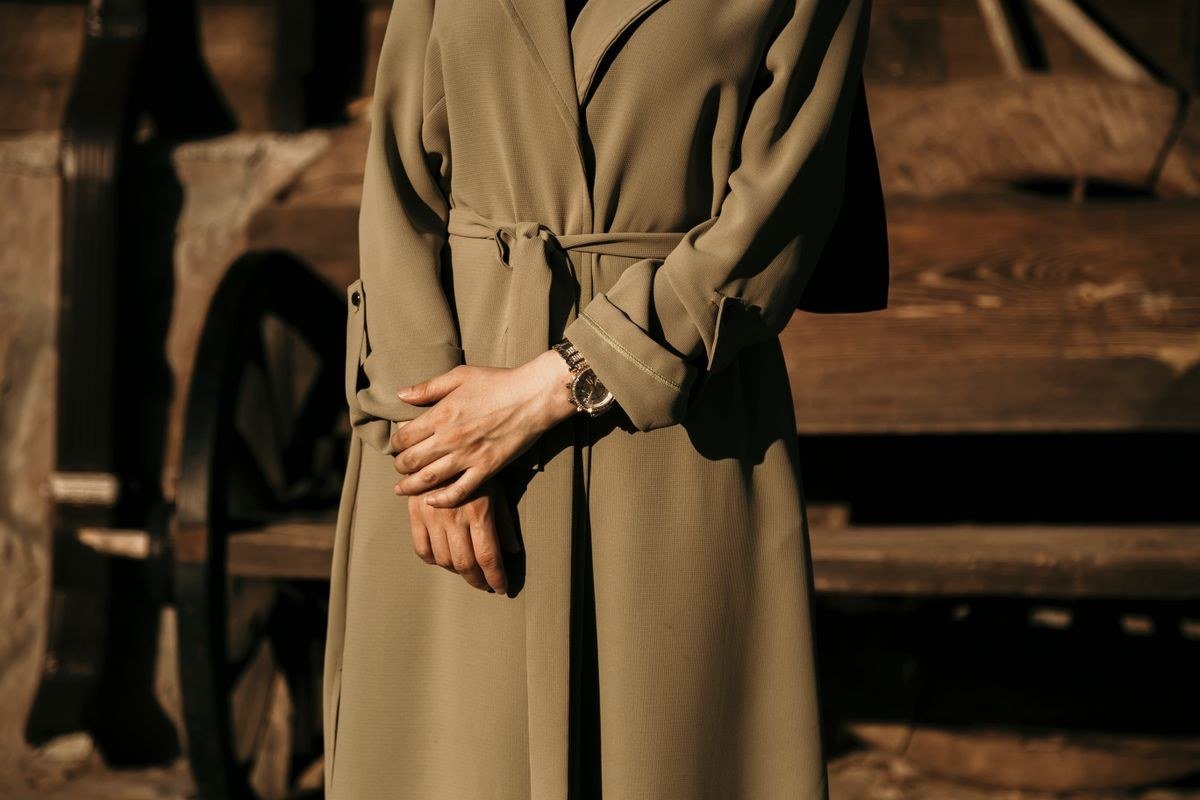
Shoes make or break a khaki outfit, since the palette’s subtlety demands thoughtful grounding. The essentials: tan or nude leather loafers (the office-to-weekend workhorse), white or tonal sneakers (clean minimal pairs, not chunky neon), suede desert or Chelsea boots in sand or taupe (autumn perfection), bronze or gold strappy sandals (evening), and classic nude pumps or pointed flats (elongating with tonal outfits). Suede is khaki’s best friend — its matte texture harmonizes with the palette’s earthiness. Avoid black shoes with head-to-toe khaki when possible; the contrast is harsh and breaks the tonal spell (dark brown is the better dark neutral here). Match your bag’s leather tone to your shoes loosely — exact matching looks dated, but clashing undertones look accidental. And keep shoes clean: khaki’s light tones show every scuff, and pristine footwear is what separates “expensive” from “worn out” in this palette.
Accessories: The Finishing Code

Accessories are where khaki coded gets its polish. Bags: structured leather in tan, cognac, or cream — a tote for work, a crossbody for weekends, a clutch in bronze or gold for evenings. Belts: leather in tan or brown to define waists over dresses and blazers; a good belt is transformative in tonal outfits. Jewelry: gold is khaki’s soulmate — layered delicate necklaces, hoop earrings, stacked rings all glow against earthy tones. Scarves: silk squares in complementary prints (tortoise, subtle animal print, paisley in khaki tones) tied on bags or necks. Sunglasses: tortoiseshell or gold frames. Hats: a wool fedora in camel for autumn, a straw hat for summer. The accessory rule: warm metals and natural materials (leather, raffia, wood) harmonize; silver and neon clash. Each accessory should feel like it belongs to the same earthy world as the clothes — cohesive, never random.
Khaki for Different Seasons
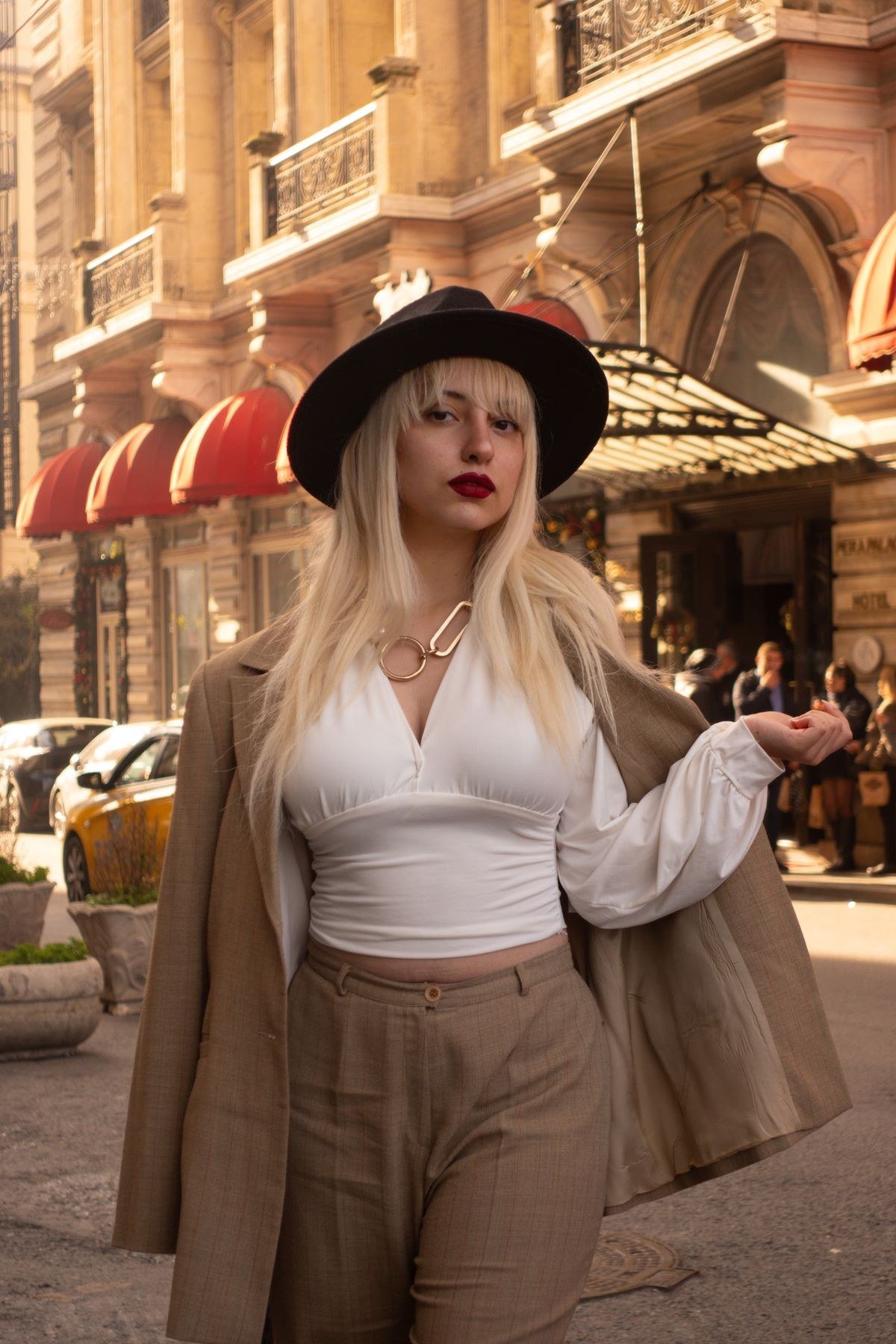
Khaki coded works year-round with seasonal fabric and shade shifts. Spring: light layers — stone trench, sand knit, white sneakers — with fresh, light khakis. Summer: linen and cotton in the palest shades — oatmeal linen pants, cream tanks, straw accessories; keep it breathable and light. Autumn: khaki’s prime season — camel wool coats, olive cargos, suede boots, chunky knits in caramel and bronze; lean into the richest, warmest shades. Winter: deep khakis and heavy textures — dark olive wool trousers, a camel overcoat, taupe cashmere, leather boots; add cream and ivory to keep it from going muddy. The seasonal trick is weight and depth: lighter shades and fabrics as temperatures rise, deeper tones and richer textures as they fall. A year-round khaki wardrobe needs only seasonal outerwear and fabric swaps — the core palette never changes.
Evening and Event Khaki Looks
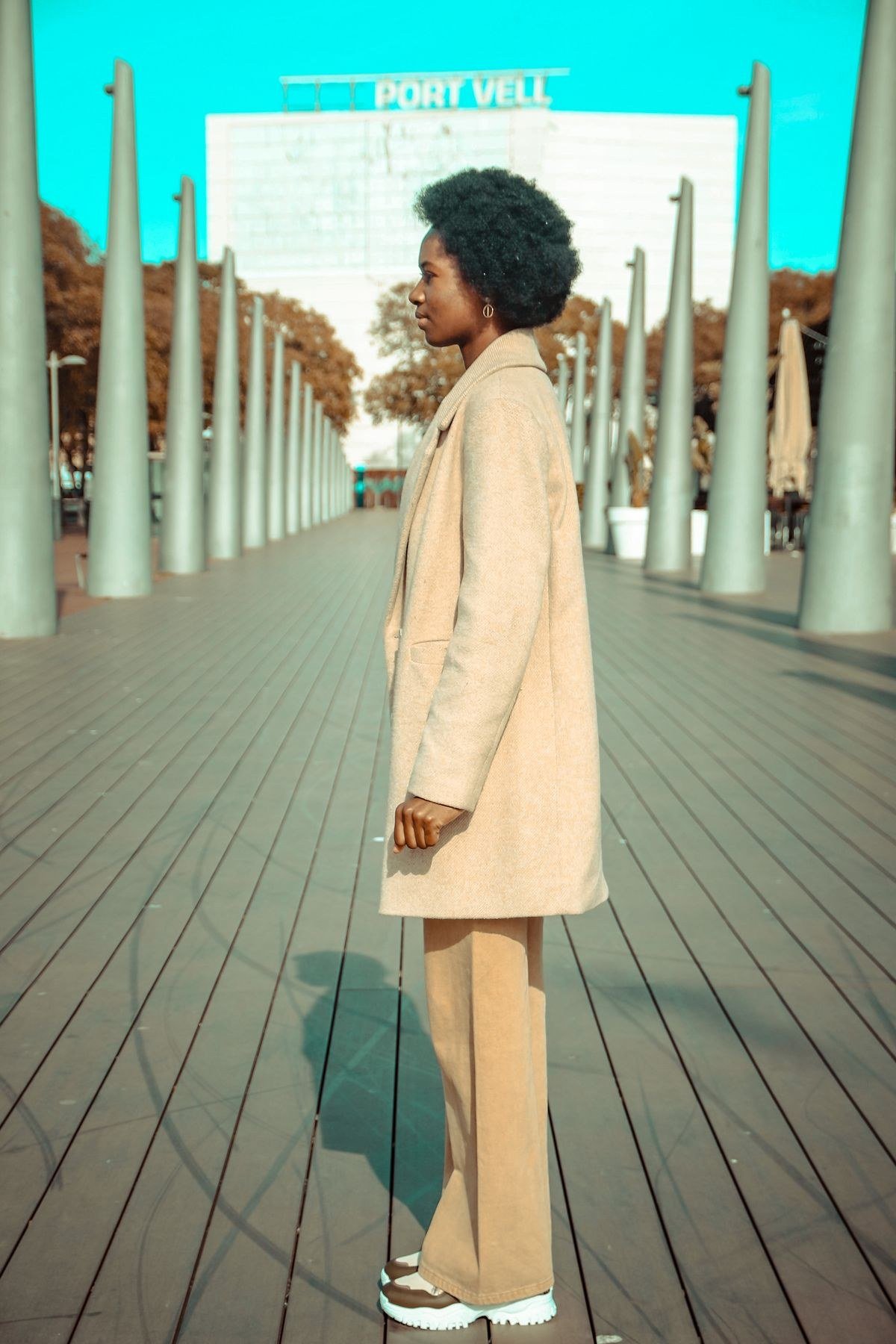
Khaki after dark is quietly stunning — it stands out precisely because everyone else wears black. The formula: luxe fabrics in khaki tones — satin, silk, velvet, crepe — in champagne, bronze, or deep taupe. A champagne satin slip dress with gold heels and a bronze clutch is red-carpet-worthy restraint. A camel velvet blazer over a stone silk camisole and tailored trousers is modern evening power. Metallic khakis (bronze, antique gold) add the shimmer evening requires. Jewelry goes bolder after dark: statement gold earrings, a cuff bracelet. Makeup can carry more drama too — a bronze smoky eye or a deep berry lip against a khaki outfit is striking. The key is fabric luxury: matte daytime khakis can look flat under evening light, so choose pieces with sheen, drape, and movement. You will be the most interesting person in the room full of little black dresses.
Khaki Coded for Men
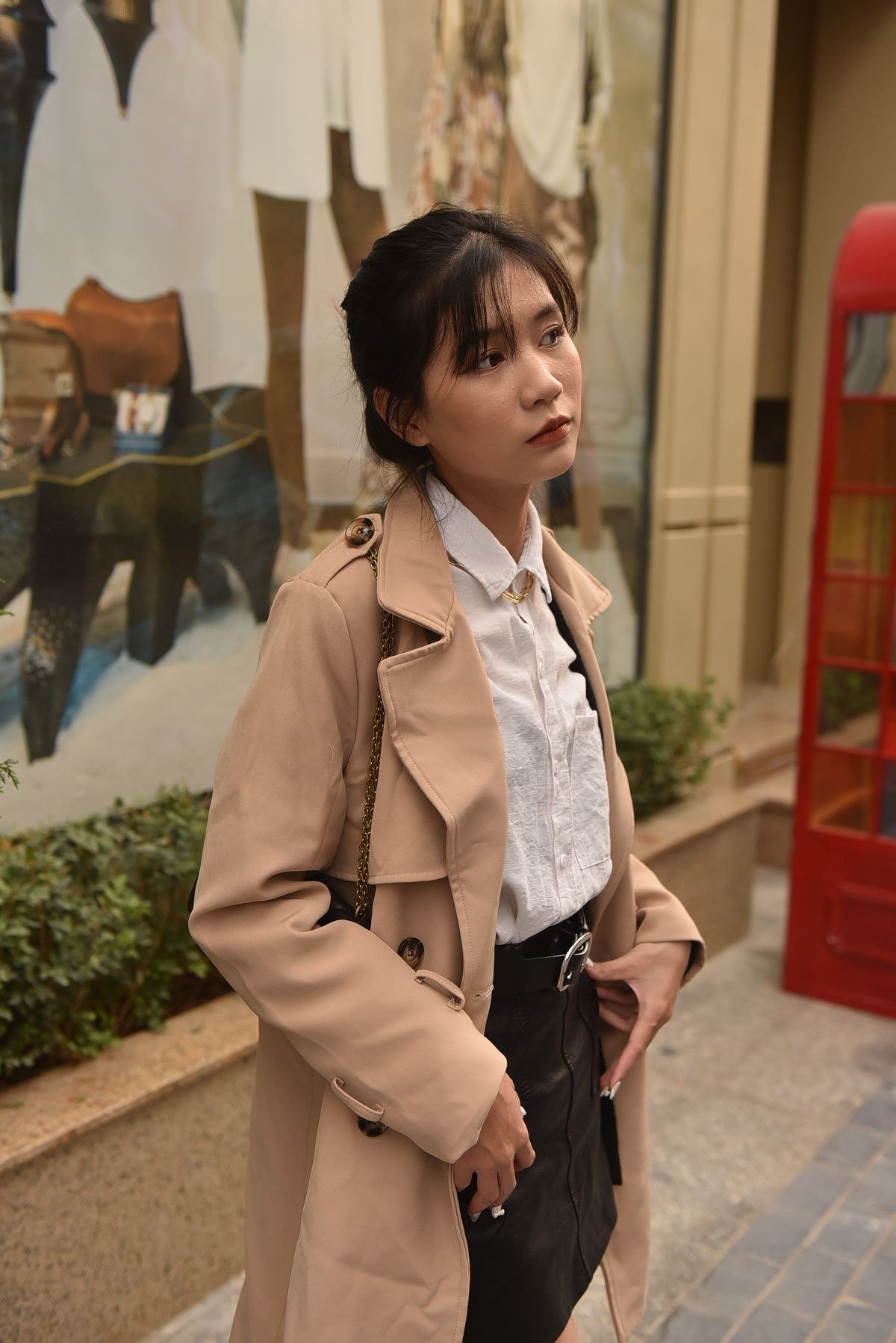
Khaki coded is arguably a menswear-native aesthetic, and men have the easiest entry point. The foundation: perfectly fitted chinos in classic khaki, stone, or olive — the single most versatile pant a man can own. Build up: a stone linen shirt with khaki chinos and suede loafers for smart casual; a sand overshirt over a cream tee with olive cargos and clean sneakers for weekends; a camel overcoat over a tonal suit for winter polish. The safari jacket is menswear’s hero piece — wear it over everything. Fit is everything: khaki shows poor fit mercilessly, so tailor trousers and ensure shirts skim rather than billow. Footwear: suede loafers, desert boots, clean white sneakers, brown leather brogues. Accessories: a canvas-and-leather belt, a simple watch with a tan strap, tortoiseshell sunglasses. The men’s khaki code reads as competent, adventurous, and quietly wealthy — the uniform of men who have their lives together.
Plus-Size Khaki Styling

Khaki coded flatters every body — the key is structure and proportion, not size. Tonal dressing is inherently elongating on plus figures: a column of sand-to-camel shades creates a long, unbroken line. Wrap dresses and belted shirt dresses in khaki define the waist beautifully. Wide-leg trousers in stone or taupe with a fitted top balance proportions. Structured outerwear — a well-cut blazer or trench — gives shape and polish. Avoid shapeless oversized-everything, which can overwhelm; instead mix one relaxed piece with one fitted piece. Darker khakis (olive, bronze, dark taupe) on areas you want to minimize, lighter shades where you want attention. Vertical details — long necklaces, open blazers, v-necks — elongate. And the usual rules apply double: tailoring is transformative, good undergarments are foundational, and confidence is the best accessory. Khaki’s warmth is universally flattering — wear it boldly.
Fabrics That Elevate Khaki

In a palette without patterns or bright colors, fabric is everything. The luxury khaki wardrobe mixes: silk and satin (for sheen and drape in blouses and dresses), cashmere and fine merino (for knits that look expensive), linen (for relaxed summer texture), suede (for shoes, jackets, and bags — khaki’s textural soulmate), leather (for structure in bags, belts, and jackets), wool crepe and gabardine (for tailoring that holds its shape), and cotton poplin and twill (for crisp shirting and chinos). Avoid cheap-looking synthetics in khaki — shiny polyester in beige is the fastest route to “bland.” When shopping, touch everything: quality fabric has weight, recovery, and a pleasing hand-feel. Care for natural fabrics properly — de-pill knits, condition leather, press linens — because khaki’s light tones show wear faster than dark colors. In this aesthetic, fabric quality is the difference between “expensive minimalist” and “forgotten chinos.”
Building a Khaki Capsule Wardrobe

Khaki coded is capsule-wardrobe perfection since everything matches. A 15-piece starter capsule: stone wide-leg trousers, classic khaki chinos or cargos, a sand midi skirt, a khaki shirt dress, a cream silk blouse, a sand knit sweater, a stone tee, a camel blazer, a beige trench coat, an olive utility jacket, nude loafers, white sneakers, suede ankle boots, a tan leather tote, and a bronze clutch. From these, dozens of outfits emerge for work, weekend, and evening. Build gradually: start with bottoms and a great coat, add layers, then shoes and bags. Choose your dominant undertone (warm golden or cool stone) and stay within it for maximum mix-and-match. This capsule also travels brilliantly — a week’s worth of outfits in a carry-on, all coordinated. The cost-per-wear math is unbeatable: every piece works with every other piece, so nothing languishes unworn.
Common Khaki Mistakes to Avoid
Khaki has failure modes — here is how to dodge them. Wearing one flat shade head-to-toe: looks like a uniform; always mix at least three tones. Choosing the wrong undertone: the wrong khaki drains your complexion; test in natural light. Ignoring texture: all-matte khaki looks lifeless; mix knits, leather, silk, and suede. Black accessories with tonal khaki: harsh and disconnected; use brown, bronze, or nude instead. Poor fit: khaki forgives nothing — tailor ruthlessly. Looking washed out: if pale khakis overwhelm you, anchor with deeper shades (olive, bronze, camel) near your face or add a contrasting lip color. Over-accessorizing: khaki’s power is restraint; edit down to a few perfect pieces. Neglecting grooming details: light palettes spotlight scuffed shoes, wrinkled shirts, and chipped nails — keep everything pristine. Master these, and khaki coded looks intentional and expensive every single time.
Khaki Coded on a Budget

The khaki aesthetic is one of the easiest to build affordably because the palette is timeless — thrift stores are full of it. Best budget strategies: thrift for the expensive-looking pieces (camel blazers, trench coats, leather bags, silk blouses) where quality secondhand beats cheap new; buy new for fit-critical items (trousers, tees) from affordable basics brands; and invest selectively in the two items that define the look — a great coat and great shoes. Uniqlo, COS, and similar mid-range brands offer excellent khaki basics. For the tonal effect on a budget, dye or not — instead, shop the “neutrals” section and compare shades in person. Care extends life: proper washing, de-pilling, and shoe maintenance keep budget pieces looking premium. Remember that in khaki coded, styling matters more than labels — a thrifted trench styled with intention out-dresses a designer logo every time.
Where to Shop the Look

Different budgets, same code. Luxury: The Row, Max Mara (the camel coat originators), Brunello Cucinelli, Loro Piana for the quiet-luxury pinnacle. Mid-range: COS, Massimo Dutti, & Other Stories, J.Crew, Banana Republic — all reliably strong in khaki tailoring and knits. Affordable: Uniqlo (superb basics), H&M Premium, Zara (trend-led khaki pieces), ASOS. Menswear: Ralph Lauren and Brooks Brothers for classic khaki heritage; Oliver Spencer and Reiss for modern cuts. Sustainable: Sézane, Amour Vert, and secondhand platforms (Vestiaire, The RealReal) for pre-loved luxury khakis. Vintage and army surplus stores are goldmines for authentic safari jackets and cargos. When shopping, filter by color family and compare undertones in person — online color accuracy for khaki is notoriously unreliable. Build slowly, buy the best you can afford in the hero pieces, and fill in with affordable basics.
Frequently Asked Questions

What colors count as “khaki coded”? Khaki, tan, beige, sand, stone, taupe, camel, and olive — the earthy neutral family. Won’t head-to-toe beige wash me out? Not if you mix three or more tones, vary textures, and choose shades that suit your undertone — anchor with deeper shades near your face if needed. Is khaki coded just for autumn? No — it works year-round; just shift fabrics and shade depths seasonally. Can I wear black with khaki? Sparingly — dark brown, bronze, and nude harmonize better with the tonal palette. What’s the one piece to buy first? A classic beige trench coat — it instantly codes any outfit. Does it work for men? Absolutely — it’s arguably menswear-native, built on chinos, safari jackets, and suede. How do I avoid looking bland? Tonal variation, texture mixing, perfect fit, gold accessories, and pristine grooming.

I am Talha Sikandar, a professional writer with a passion for general blogging. With years of experience in content writing and research, I founded Meaniingly.com to deliver well-researched, informative, and user-friendly articles on diverse topics.