Tiramisu — Italy’s beloved coffee-soaked dessert — is stepping out of the trattoria and onto the wedding cake table. A tiramisu wedding cake keeps the soul of the classic (espresso-soaked layers, silky mascarpone cream, a whisper of cocoa) while dressing it for the most elegant day of your life. Whether you want a traditional round tiered cake with tiramisu filling, a deconstructed dessert-table version, or individual tiramisu cups for every guest, this guide covers recipes, structural secrets, flavor variations, styling ideas, and the practical questions every couple asks before committing to this deliciously unconventional choice.

Why Tiramisu Makes a Brilliant Wedding Cake

Tiramisu succeeds as a wedding cake for reasons that go beyond novelty. First, nearly everyone loves it — the combination of coffee, cream, and chocolate is a crowd-pleaser across ages and palates, unlike polarizing flavors. Second, it feels simultaneously luxurious and comforting, which matches the emotional tone of a wedding perfectly. Third, it is naturally elegant: the contrast of pale mascarpone cream and dark cocoa dusting photographs beautifully with minimal decoration. Fourth, it suits couples with Italian heritage or a destination wedding in Italy, adding personal meaning to the dessert choice. Finally, tiramisu is served chilled, which is a genuine advantage for summer weddings where buttercream wilts — a cool, creamy cake is refreshing rather than heavy. Choosing tiramisu signals confidence and taste: you are serving what you love, not what tradition dictates.
Classic Tiered Tiramisu Wedding Cakes

The classic tiered tiramisu wedding cake looks like a traditional wedding cake but hides tiramisu within. Structurally, this usually means vanilla or coffee-flavored sponge layers brushed with espresso syrup, filled with mascarpone cream, and finished with a smooth coating of mascarpone frosting or white chocolate ganache that can be decorated like any wedding cake. The exterior can be pristine white, softly textured, or adorned with fresh flowers — guests see an elegant cake and taste tiramisu with the first bite. Bakers stabilize the mascarpone filling with gelatin or white chocolate so tiers hold their shape during display. Discuss the coffee intensity with your baker: some couples want a bold espresso punch, others prefer a gentle hint so all guests enjoy it. A classic tiered tiramisu cake typically serves the same counts as traditional cakes, making it an easy swap for couples who want the look of tradition with a flavor upgrade.
Naked and Semi-Naked Tiramisu Cakes

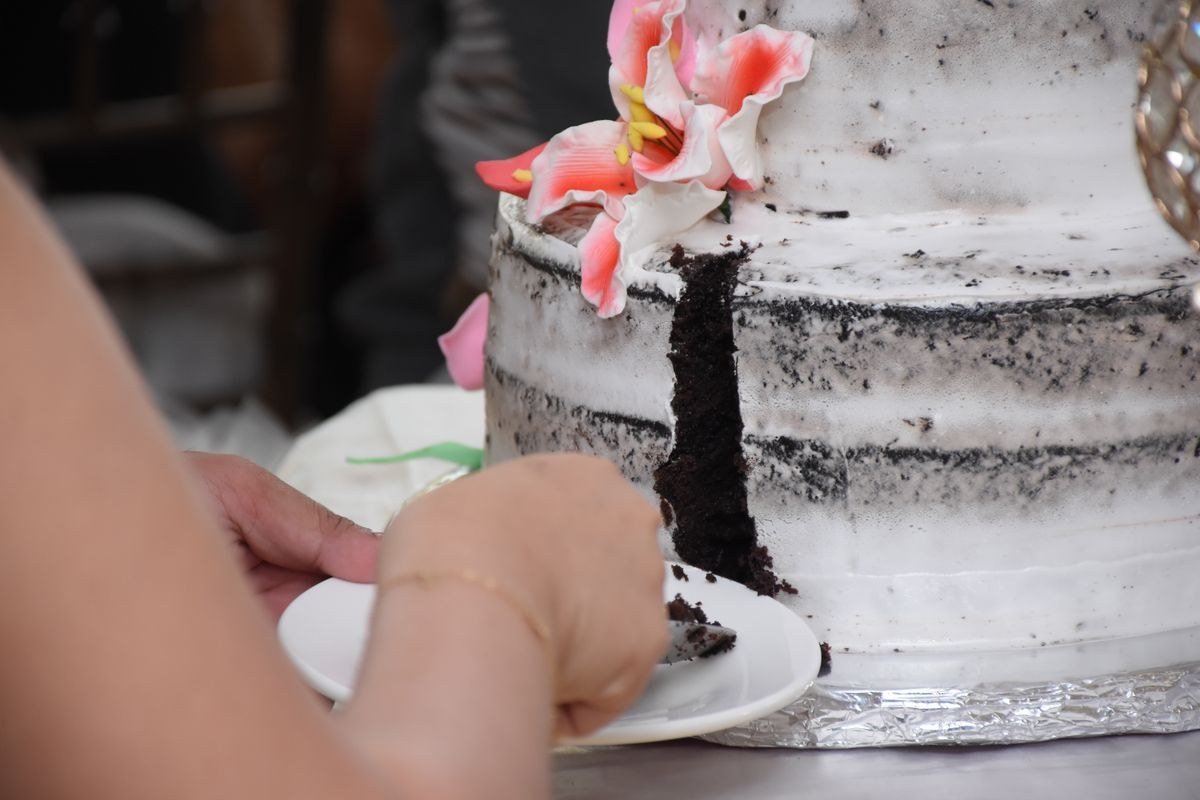
Naked and semi-naked styles are arguably the most honest way to serve tiramisu as a wedding cake, because they show off the beautiful layering that defines the dessert. A naked tiramisu cake exposes the espresso-darkened sponge and ivory mascarpone stripes around the sides, decorated simply with a cocoa dusting, fresh figs, berries, or flowers on top. Semi-naked versions add the thinnest veil of frosting that lets the layers ghost through. These styles suit rustic, garden, bohemian, and Italian villa weddings perfectly. Structurally, less exterior frosting means the cake must be well-chilled and assembled close to display time — discuss timing with your baker and venue. The exposed sides also dry out faster, so this style is best for cakes served within a few hours of assembly. For the full effect, ask your baker to finish the top exactly like traditional tiramisu: a generous, even snowfall of cocoa powder.
Deconstructed Tiramisu Dessert Tables

Not every couple wants a cutting cake, and a deconstructed tiramisu dessert table can be even more memorable. Imagine a styled table with individual tiramisu cups in vintage glasses, tiramisu trifle in a large glass bowl, tiramisu-flavored macarons, chocolate-dipped ladyfingers, espresso panna cotta, and coffee granita — a whole landscape of coffee-and-cream delights. This approach lets guests graze, try multiple textures, and avoids the logistics of cutting and serving a tiered cake. It also photographs beautifully as a styled vignette. For the ceremonial moment, keep a small cutting cake (even a single-tier tiramisu cake) for the traditional cake-cutting photos, then direct guests to the dessert table. Label everything with pretty cards noting flavors, and include a decaf or coffee-free option for guests who avoid caffeine. A dessert table often costs less than a large tiered cake while feeling more abundant and generous.
Individual Tiramisu Cups for Guests

Individual tiramisu servings solve nearly every logistical headache of wedding dessert. Served in small glasses, jars, or vintage teacups, each portion is perfectly portioned, hygienic, easy to distribute, and adorable on the table — they can even double as place settings. Guests love the personal touch of their own little dessert, and there is no cutting, no waiting, and no cake-server logistics. From the baker’s perspective, cups are far easier to transport and assemble than tiered cakes, which can reduce costs. Style them to match your wedding: tie tiny spoons with ribbon, add a single fresh raspberry or chocolate coffee bean on top, or present them on mirrored trays with scattered petals. For outdoor weddings, cups with lids protect against the elements. You can also offer a flavor choice — classic, chocolate, or fruit tiramisu — letting guests pick their favorite from a display.
Flavor Variations Beyond Classic Coffee

Once you embrace tiramisu as a concept rather than a strict recipe, the variations are endless. Strawberry tiramisu swaps espresso for macerated strawberries and their syrup — blushing pink, perfect for spring weddings. Limoncello tiramisu brings bright Amalfi Coast sunshine with lemon-soaked layers and mascarpone. Chocolate tiramisu doubles down with chocolate sponge, chocolate-mascarpone cream, and ganache for serious chocoholics. Pistachio tiramisu, with its pale green cream and Sicilian soul, is stunning and sophisticated. Matcha tiramisu offers an elegant East-meets-Italy fusion with beautiful color. For autumn, try pumpkin spice or caramel apple tiramisu. You can even offer a tasting flight of mini tiramisu flavors as the dessert course. When choosing, consider your menu: a rich dinner pairs well with lighter fruit tiramisu, while a light menu can handle decadent chocolate. Always keep one classic coffee version for the purists.
Alcohol, Caffeine, and Kid-Friendly Options

Traditional tiramisu contains both coffee and often marsala wine or liqueur, which raises questions for weddings with kids, pregnant guests, or non-drinkers. The good news: both are easily adjustable. Most of the alcohol cooks off or is present in tiny amounts, but you can simply omit it or replace it with extra espresso or a splash of vanilla. For caffeine concerns, decaf espresso delivers nearly identical flavor — many bakers use decaf by default for wedding cakes unless asked otherwise. For a fully kid-friendly version, soak layers in chocolate milk or a mild cocoa-coffee blend instead of espresso. Be transparent: label dessert-table items noting “contains coffee” or “alcohol-free” so guests can choose confidently. If you are serving a crowd with mixed needs, the individual-cup approach shines — offer classic, decaf, and kid-friendly versions side by side, and everyone gets the tiramisu experience on their own terms.
Styling and Decorating Tiramisu Cakes
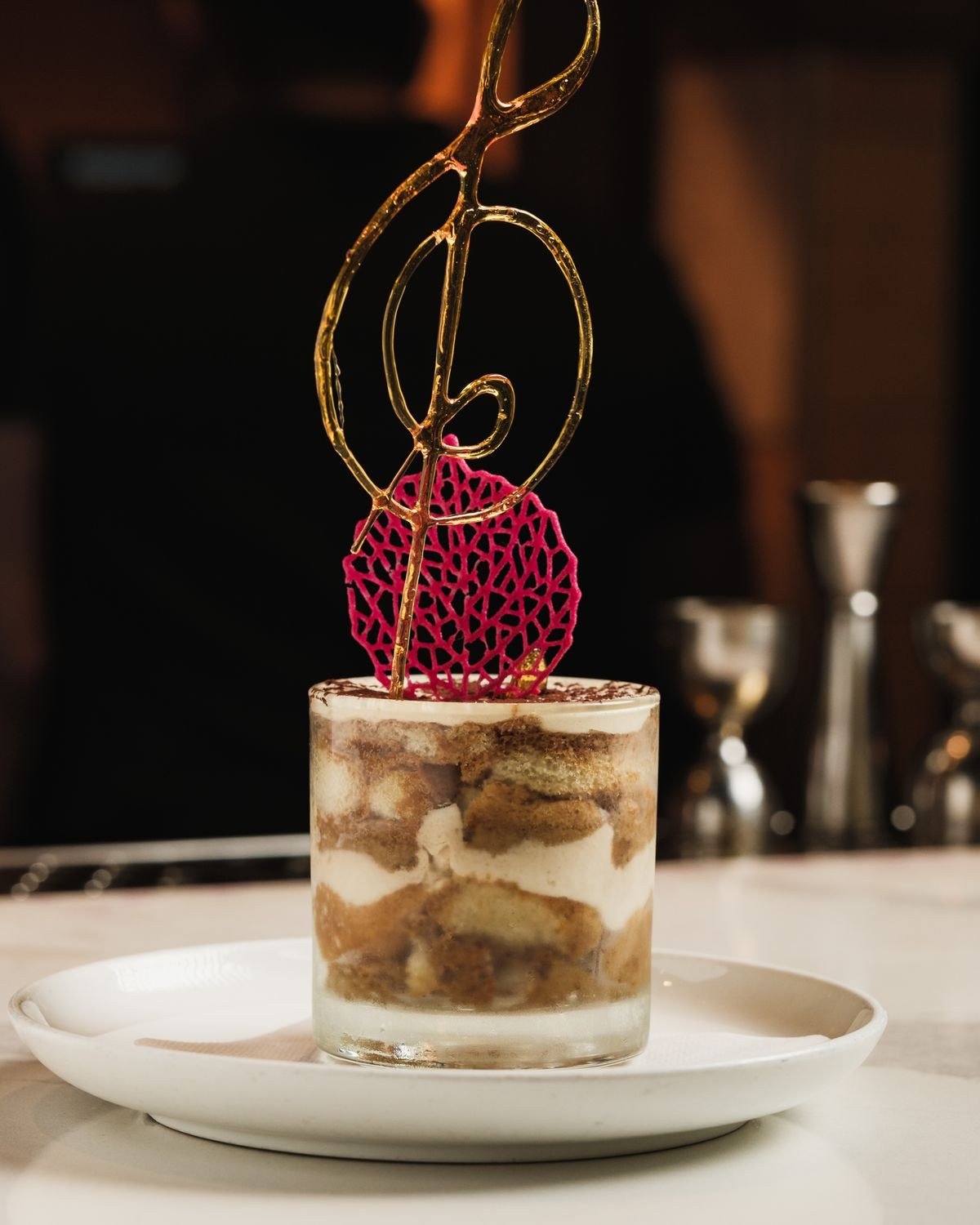
Styling a tiramisu cake is about restraint — the dessert’s natural beauty does most of the work. The signature finish is a veil of cocoa powder, applied through a fine sieve just before display for the freshest look. Beyond that, fresh elements shine: figs, blackberries, raspberries, and cherries echo the cake’s richness; edible flowers like pansies add color; chocolate curls, shards, or a drip add drama. For elegant weddings, a few gold-leaf flakes on the cocoa top catch candlelight beautifully. Ladyfinger “fences” around the sides — standing upright and tied with ribbon — create the classic charlotte look that is unmistakably tiramisu. Fresh rosemary or eucalyptus sprigs add an Italian-garden feel. Avoid heavy fondant decorations, which fight the dessert’s delicate nature. The most photogenic tiramisu cakes look almost undressed: cocoa, fruit, flowers, and confidence.
Structural Secrets: Making It Stand Up

The number one concern with tiramisu wedding cakes is structural: traditional tiramisu is soft, and wedding cakes must stand tall for hours. Professional bakers solve this with several techniques. The mascarpone cream is stabilized — with gelatin, agar, or white chocolate — so it sets firmly enough to support tiers while still tasting silky. Sponge layers are used instead of loose ladyfingers for tiered cakes, giving clean cuts and better support. Each tier gets proper internal supports (dowels or a central rod) exactly like a traditional cake. The finished cake must stay refrigerated until shortly before display, and venues should keep it cool — discuss refrigeration access with your venue coordinator. For summer or outdoor weddings, consider displaying the cake for photos and cutting, then serving pre-cut portions from the kitchen’s refrigerator. An experienced baker who has made tiramisu wedding cakes before is worth their weight in gold — ask to see photos of their previous structural work, not just pretty slices.
Cost Comparison With Traditional Cakes

Budget-wise, tiramisu wedding cakes generally cost about the same as traditional tiered cakes, sometimes slightly more. Expect to pay standard wedding-cake rates — roughly 5 to 9 dollars per serving depending on your market — with potential upcharges for mascarpone (a premium ingredient), stabilization work, and refrigeration logistics. Individual cups often cost less per serving (3 to 6 dollars) because they are simpler to produce and transport in volume. A deconstructed dessert table’s cost varies widely with the number of elements but frequently lands below a large tiered cake. To manage costs, consider a small display cake for cutting plus sheet-cake or cup servings for guests — the classic wedding-cake cost hack works for tiramisu too. Get itemized quotes from bakers experienced with tiramisu specifically; a baker attempting it for the first time may underquote the labor involved. And factor in any refrigeration rental if your venue lacks adequate cold storage.
Tiramisu Cake Tastings: What to Ask
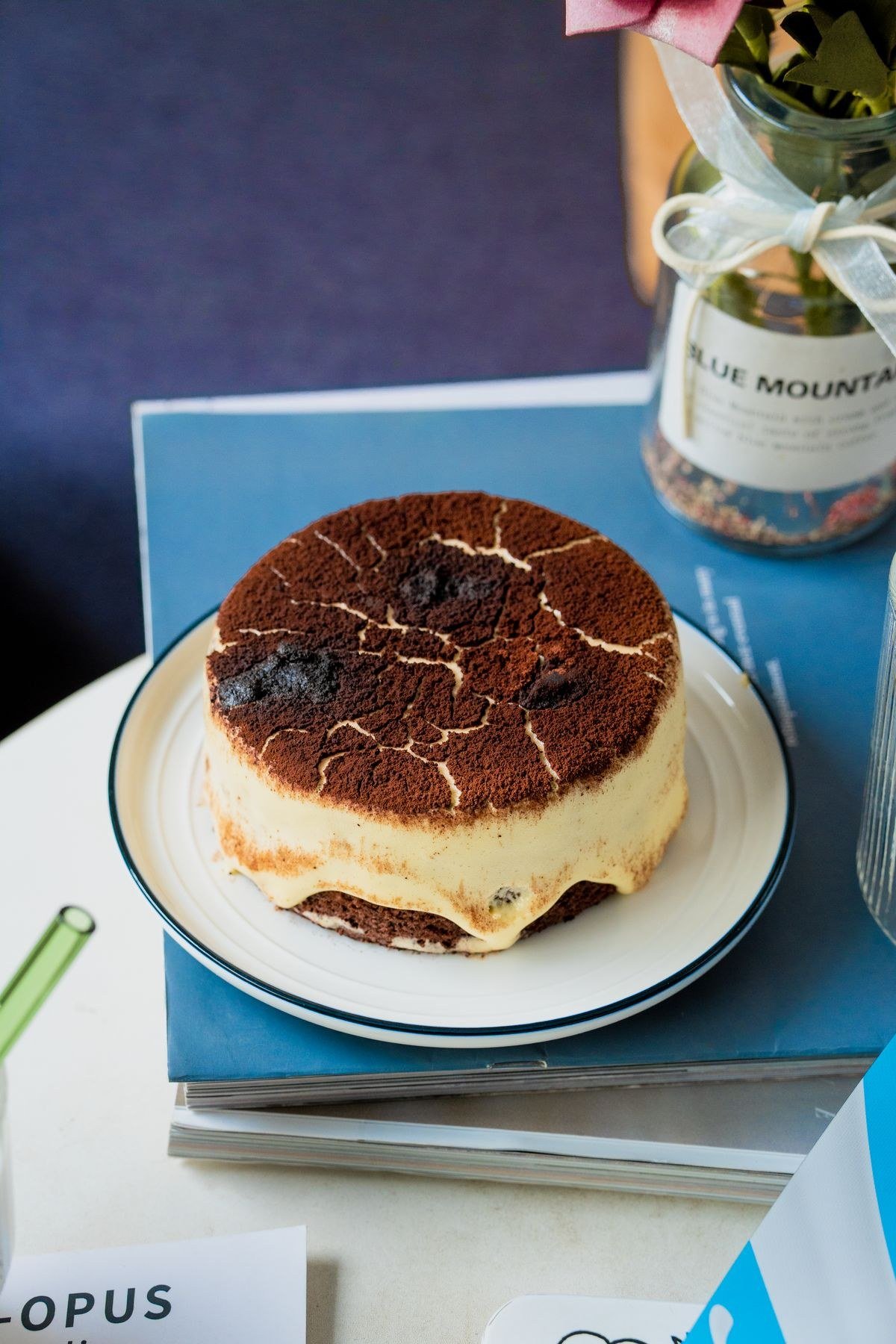
A tasting for a tiramisu wedding cake should go beyond “do we like it” to the practical questions that determine success. Ask about coffee intensity and whether decaf is an option. Ask how the mascarpone is stabilized and how long the cake can safely sit at room temperature — the answer tells you how experienced the baker is. Request a sample served at the temperature it will be served at your wedding, since tiramisu eaten warm tastes very different from chilled. Ask to see photos of full tiramisu wedding cakes they have delivered, not just slices. Discuss transport: who delivers, how it stays cold, and what happens if the venue is hot. Ask about the cutting — stabilized tiramisu cuts cleanly when chilled, but confirm your caterer knows to use a hot, dry knife. Finally, taste the components separately (sponge, cream, soak) as well as assembled; balance between the three is what separates good tiramisu cake from great.
Pairing Tiramisu Cake With Your Menu

Tiramisu’s coffee-chocolate profile pairs beautifully with thoughtful menu planning. If dinner is Italian — osso buco, cacio e pepe, wood-fired mains — tiramisu cake is the natural finale that makes the whole meal feel intentional. For non-Italian menus, it still works: the key is avoiding dessert-menu clashes, so skip a chocolate-heavy dessert course if the cake is chocolate tiramisu. Beverage pairings elevate the experience: serve espresso or cappuccino alongside (an Italian coffee station is a beloved wedding touch), offer dessert wines like Vin Santo or Moscato, or pour a coffee liqueur digestif. For summer weddings, affogato-style service — a slice of tiramisu cake with a shot of hot espresso poured over — is interactive and unforgettable. Coordinate with your caterer on timing: tiramisu served too long after dinner loses its chill, so plan the cake cutting and coffee service as a seamless sequence.
Italian Destination Wedding Ideas

A tiramisu wedding cake at an Italian destination wedding is more than dessert — it is a love letter to the location. In Italy, work with a local pasticceria rather than importing a baker; Italian pastry chefs understand tiramisu in their bones, and local sourcing keeps costs sane. Consider regional twists: tiramisu with Sicilian pistachio on the island, limoncello tiramisu on the Amalfi Coast, or espresso tiramisu in Turin, Italy’s chocolate-coffee capital. Time the cake reveal for maximum drama — rolled out as the sun sets over the vineyard or presented with sparklers at a villa. Many Italian venues include a traditional millefoglie or croquembouche-style presentation; ask whether your tiramisu cake can be incorporated into local customs. Language barrier tip: bring reference photos and confirm details in writing. And build in a tasting trip if possible — sampling tiramisu in Italy is hardly a hardship.
DIY Tiramisu Wedding Cake: Is It Feasible?

Ambitious home bakers do make their own tiramisu wedding cakes, and it is more feasible than a fondant showpiece — but it demands planning. The advantages: tiramisu’s rustic elegance forgives imperfect finishing, and no special sculpting skills are required. The challenges: food safety (mascarpone and eggs need strict refrigeration), structural stabilization for tiers, and the sheer volume for a crowd. If you DIY, keep it to a single generous tier or a sheet-cake-plus-display-cake combo, stabilize the cream with gelatin, and enlist helpers for assembly day. You will need serious refrigerator space — clear it days ahead. Transport the cake fully chilled in a cooler, and assemble final decorations at the venue. Honestly assess your stress tolerance: wedding-week baking is not for everyone. A popular compromise is DIY-ing the dessert-table elements (cups, trifles) while ordering the cutting cake from a professional — you get the personal touch without betting the centerpiece on a first attempt.
Seasonal Tiramisu Twists

Tiramisu adapts to every wedding season with simple flavor shifts. Spring: strawberry or raspberry tiramisu with fresh berries and a blush-pink presentation. Summer: lemon or coconut-lime tiramisu served well-chilled — refreshing and light after a warm ceremony. Autumn: pumpkin spice, caramel apple, or hazelnut tiramisu with warm spices and a cocoa-cinnamon dusting. Winter: peppermint-mocha, gingerbread, or dark chocolate-orange tiramisu, perhaps with a glühwein-soaked variation for a European Christmas-market feel. Match the styling to the season too — fresh figs and berries in summer, sugared cranberries and rosemary in winter. Seasonal versions also solve the “is tiramisu too summery for a winter wedding” question: the format stays, the flavors follow the calendar. Your baker can likely suggest seasonal ingredients at their peak, which also helps with cost and taste.
Photographing the Cake Moment
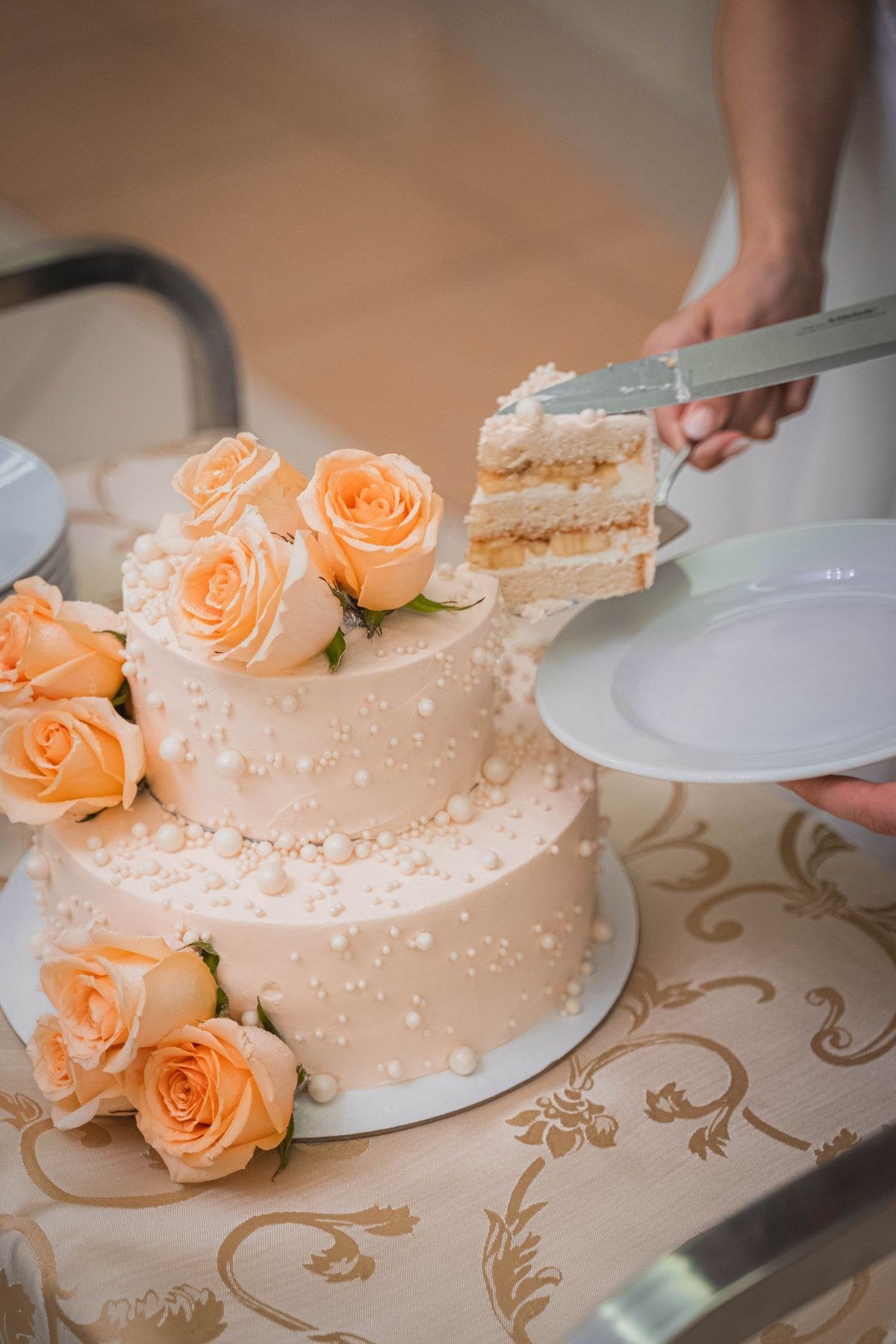
The cake cutting is a core wedding photo, and tiramisu offers unique visual moments. Brief your photographer on the plan: the cocoa-dusted top, the first cut revealing striped layers, and the feeding-each-other shot all deserve coverage. A close-up of the cut slice showing distinct espresso and mascarpone layers is a detail shot worth framing. If you have a dessert table, ask for wide shots of the full styled display before guests descend. Lighting matters: tiramisu’s pale-and-dark contrast looks best in soft light, so position the cake table away from harsh spotlights that blow out the cream tones. Consider a “first slice” portrait — the couple holding the plated slice together — which works beautifully with tiramisu’s elegant appearance. And do not skip the messy-fun shots: a cocoa-dusted nose or a shared spoonful of cream makes for the candid, joyful images couples treasure most.
Serving Logistics and Food Safety
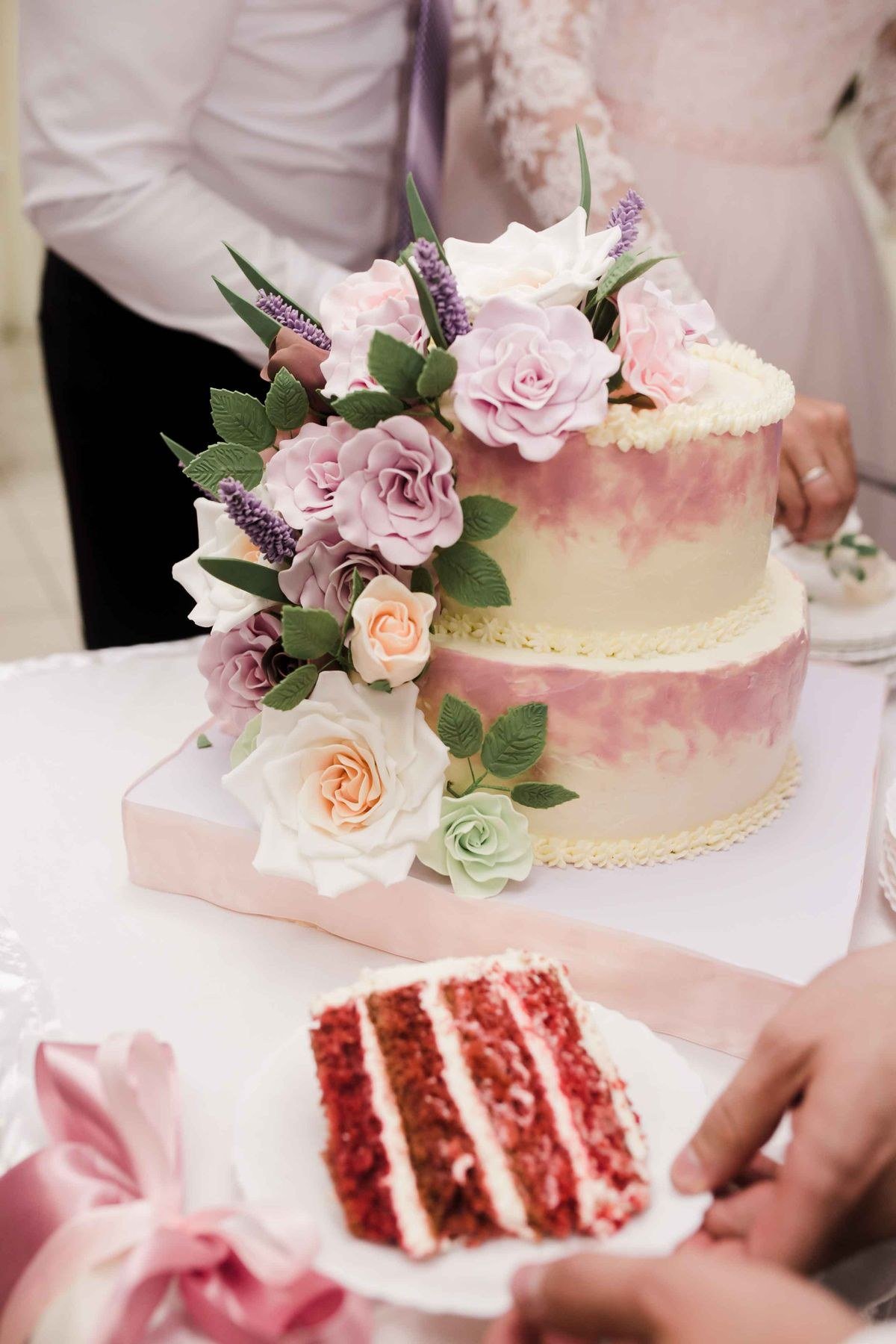
Tiramisu’s dairy-and-egg composition makes food safety non-negotiable. The cake must stay refrigerated until display, should sit out for no more than two hours (less in heat), and leftovers should be refrigerated promptly — communicate this timeline clearly to your venue coordinator and caterer. Confirm cold storage at the venue well in advance: some venues have limited refrigerator space during peak season. For outdoor weddings, display the cake in shade, consider a chilled display (trays over ice), and keep the display window short — bring it out for cutting and photos, then serve from the kitchen. Cutting technique matters: a long, thin knife dipped in hot water and wiped clean between cuts gives pristine slices that show the layers. Pre-cutting in the kitchen is often smartest for large guest counts. Share the serving plan with your baker so they can advise on the specific recipe’s limits.
Tiramisu Grooms Cakes

If a full tiramisu wedding cake feels like too much commitment, the groom’s cake is the perfect place to debut it. Traditionally the groom’s cake reflects his tastes and personality, and a rich coffee-chocolate tiramisu is a crowd-pleasing choice that still feels personal. Style it with masculine-leaning decor: dark chocolate ganache, espresso beans, a whiskey-bottle silhouette, or decorations nodding to his hobbies — all easily done on a tiramisu base. The groom’s cake is typically served at the rehearsal dinner or alongside the main cake at the reception, giving guests a flavor choice. This is also a smart strategy for couples split on flavors: classic white cake for tradition, tiramisu groom’s cake for the flavor adventurers. Because groom’s cakes are usually smaller and less formal, they are also the ideal low-risk way to test your baker’s tiramisu skills before committing to it as the main event.
What Guests Will Ask (And How to Answer)
Expect curiosity — a tiramisu wedding cake is a conversation starter. Guests will ask if it is “real tiramisu” (yes, in cake form), whether it contains alcohol or caffeine (know your recipe’s answer), and how you came up with the idea (your story is part of the charm). Have your caterer or DJ ready with brief answers, and consider a small menu card at the dessert table explaining the cake: “Our wedding cake: espresso-soaked vanilla sponge, mascarpone cream, cocoa — his grandmother’s region, her favorite dessert,” or whatever your story is. Guests with dietary restrictions will ask about ingredients, so keep an ingredient list handy for the caterer. Children will ask for seconds — plan extra servings. The questions are a feature, not a bug: a cake that gets people talking becomes part of the wedding’s story, and years later guests will remember “the amazing tiramisu cake” long after they have forgotten standard wedding fare.
Frequently Asked Questions

Will a tiramisu cake hold up as a tiered cake? Yes, when the mascarpone is properly stabilized and the cake is kept chilled — use an experienced baker. Does it contain alcohol and caffeine? Traditionally yes, but both can be omitted or replaced; decaf espresso works beautifully. How long can it sit out? Two hours maximum at room temperature, less in heat — plan display timing carefully. Is it more expensive? Roughly comparable to traditional cakes; mascarpone may add a small premium. Can I DIY it? Single tiers and dessert-table versions are feasible; leave multi-tier structural work to professionals. What flavors work best? Classic coffee is the crowd-pleaser; strawberry, lemon, pistachio, and chocolate are excellent variations. How do I serve it outdoors in summer? Keep it refrigerated until cutting, display briefly in shade, and serve pre-cut portions from the kitchen.

I am Talha Sikandar, a professional writer with a passion for general blogging. With years of experience in content writing and research, I founded Meaniingly.com to deliver well-researched, informative, and user-friendly articles on diverse topics.