Cloud skin is the dreamy makeup trend that gives your complexion a soft, diffused, airbrushed finish — like your skin is wrapped in the softest cloud. Unlike the ultra-dewy glass skin trend, cloud skin is about a velvety, blurred matte-satin finish that minimizes pores and texture while still looking like real, healthy skin. It is the perfect middle ground: not flat and powdery, not greasy and shiny, but softly luminous with a diffused glow. This tutorial walks you through every step of achieving cloud skin, from skincare prep to the exact application techniques that create that coveted soft-focus effect, plus troubleshooting tips for every skin type.
What Is Cloud Skin? Understanding the Trend
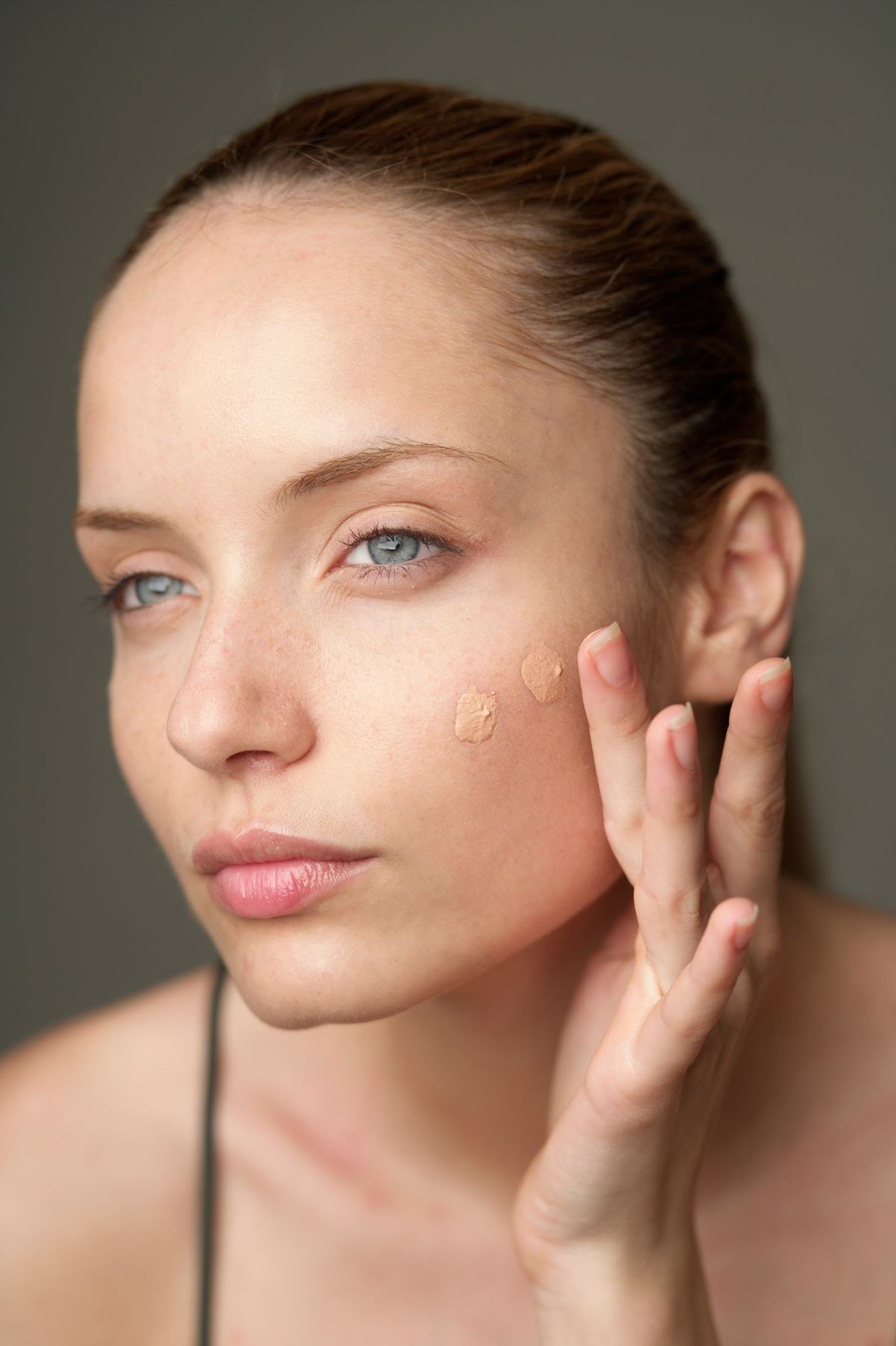
Cloud skin emerged as the answer to years of extreme dewy makeup. Where glass skin demands a wet, reflective shine, cloud skin offers a soft-focus, velvety finish — think of the difference between glazed and softly blurred. The look is characterized by even tone, minimized pores, a satin-matte texture, and a gentle luminosity that comes from within rather than sitting on top. It is achieved through a combination of hydrating skincare, blurring primers, medium-coverage satin foundations, and strategic powder placement. The result looks like a real-life beauty filter: skin that is clearly skin, just the very best version of it. Cloud skin suits everyone, but it is especially beloved by those with combination to oily skin who find glass skin too shiny, and by makeup minimalists who want polish without obvious makeup.
Cloud Skin vs. Glass Skin: Key Differences
Understanding the distinction helps you execute the right technique. Glass skin is all about intense hydration and layering dewy products for a wet, almost reflective shine — it celebrates glow. Cloud skin celebrates softness: the finish is diffused and satin, with shine controlled and limited to the high points of the face. Product choices differ accordingly — glass skin uses dewy cushions, facial oils, and glossy highlighters, while cloud skin relies on blurring primers, satin-finish foundations, and finely milled setting powders. The application differs too: glass skin layers moisture, cloud skin layers blur. Neither is better — they are moods. Choose cloud skin for daytime, professional settings, photography (it photographs without flashback), and humid climates where dewiness quickly becomes oiliness.
Step 1: Skincare Prep for a Flawless Base
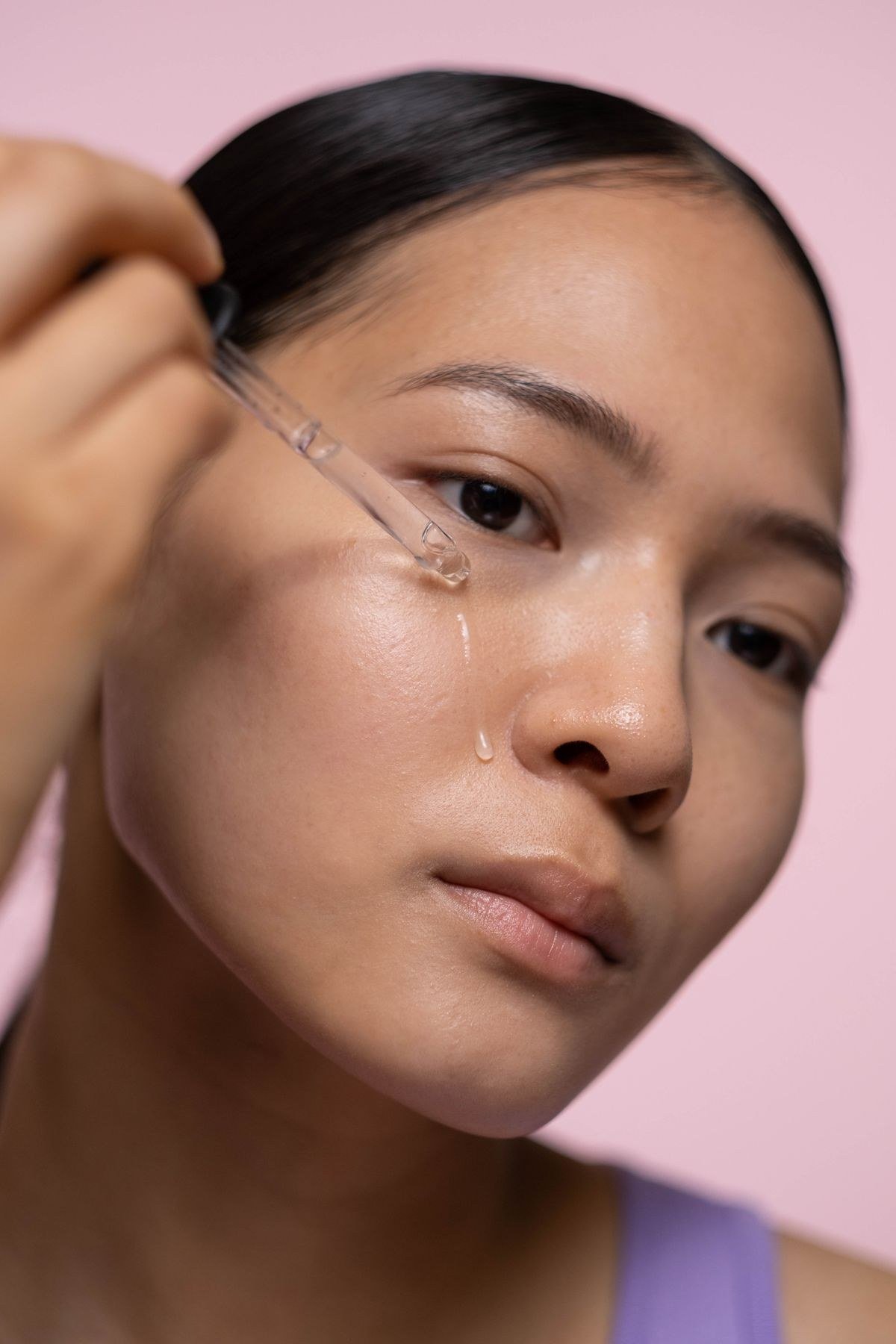
Cloud skin starts with skincare, because blurred makeup over textured skin only goes so far. Begin with gentle exfoliation — a mild AHA or enzyme exfoliant used the night before creates the smooth canvas cloud skin needs. On makeup day, cleanse, then apply a hydrating toner and a lightweight moisturizer; the goal is plump, hydrated skin without heavy residue. Let each layer absorb fully — rushing creates pilling under foundation. If you have dry patches, press in an extra layer of moisturizer just there. Sunscreen is non-negotiable; choose a non-greasy formula that does not leave a white cast. Well-prepped skin needs less foundation, and less foundation always looks more like cloud skin. Think of skincare as doing half the blurring work before makeup even begins.

Pro tip: let each skincare layer absorb fully before applying the next — at least a minute between steps. Rushing causes pilling under foundation, which creates exactly the texture cloud skin aims to blur away.
Step 2: Choosing the Right Primer
Primer is where the cloud effect truly begins. Look for blurring or pore-filling primers with a velvety, silicone-based texture — these physically smooth the skin’s surface, filling in pores and fine lines so foundation glides over evenly. Apply a thin layer to the T-zone and anywhere pores are visible, pressing rather than rubbing to avoid disturbing the skincare beneath. If you are oily, a mattifying primer in the T-zone paired with a hydrating primer on the cheeks gives customized control. Avoid overly shimmery or dewy primers, which push the finish toward glass skin. The right primer should make your skin feel like silk and look slightly diffused even before foundation — that is the cloud forming.

Step 3: Foundation — Formula and Application
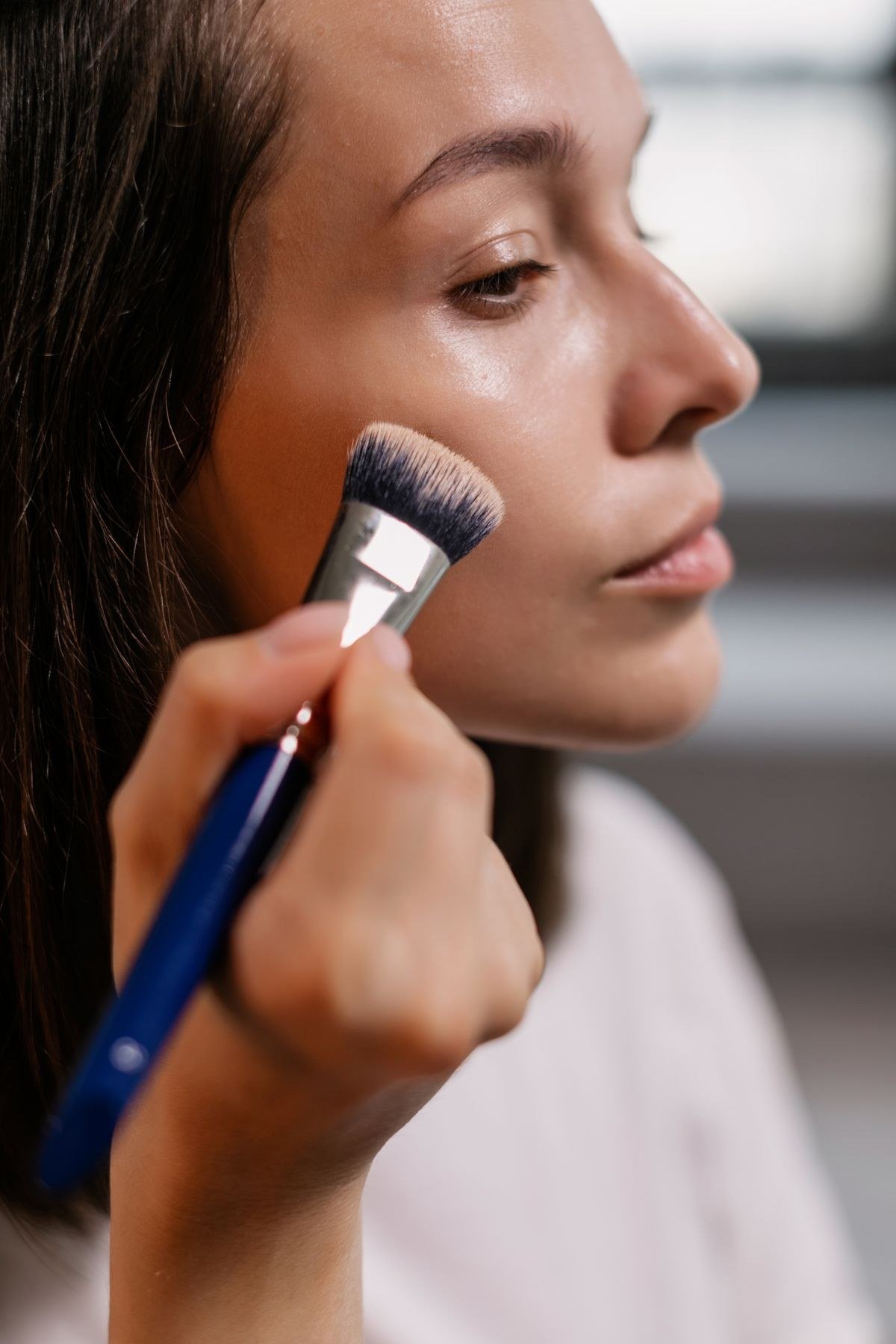
For cloud skin, choose a medium-coverage foundation with a natural satin or soft-matte finish — avoid full-coverage mattes (too flat) and dewy formulas (too shiny). Apply sparingly: start with a pea-sized amount and build only where needed, since heavy foundation defeats the soft, skin-like goal. A damp beauty sponge pressed and bounced over the skin gives the most diffused, airbrushed application; the dampness sheers the product slightly for that real-skin effect. Work in thin layers, letting each set for a moment before adding more. Focus coverage on the center of the face and blend outward, leaving the perimeter sheerer for a natural fade. The foundation should even the tone without masking — freckles and natural variation peeking through is perfectly on-trend.

Step 4: Concealer for a Bright, Blurred Effect
Concealer in a cloud skin routine is used strategically, not heavily. Choose a creamy, medium-coverage concealer one shade lighter than your foundation for the under-eyes, and one matching your skin for blemishes. Apply under-eye concealer in a thin triangle and blend with a damp sponge, pressing the product in rather than swiping — pressing maintains coverage while creating a blurred edge. For spots, dot concealer directly on and pat the edges to melt them into the foundation. Set the under-eyes immediately with a whisper of finely milled translucent powder to prevent creasing, which would break the smooth cloud illusion. The goal is brightened, evened skin that still moves naturally — no thick, mask-like concealer that cracks when you smile.
Step 5: Strategic Powder Placement
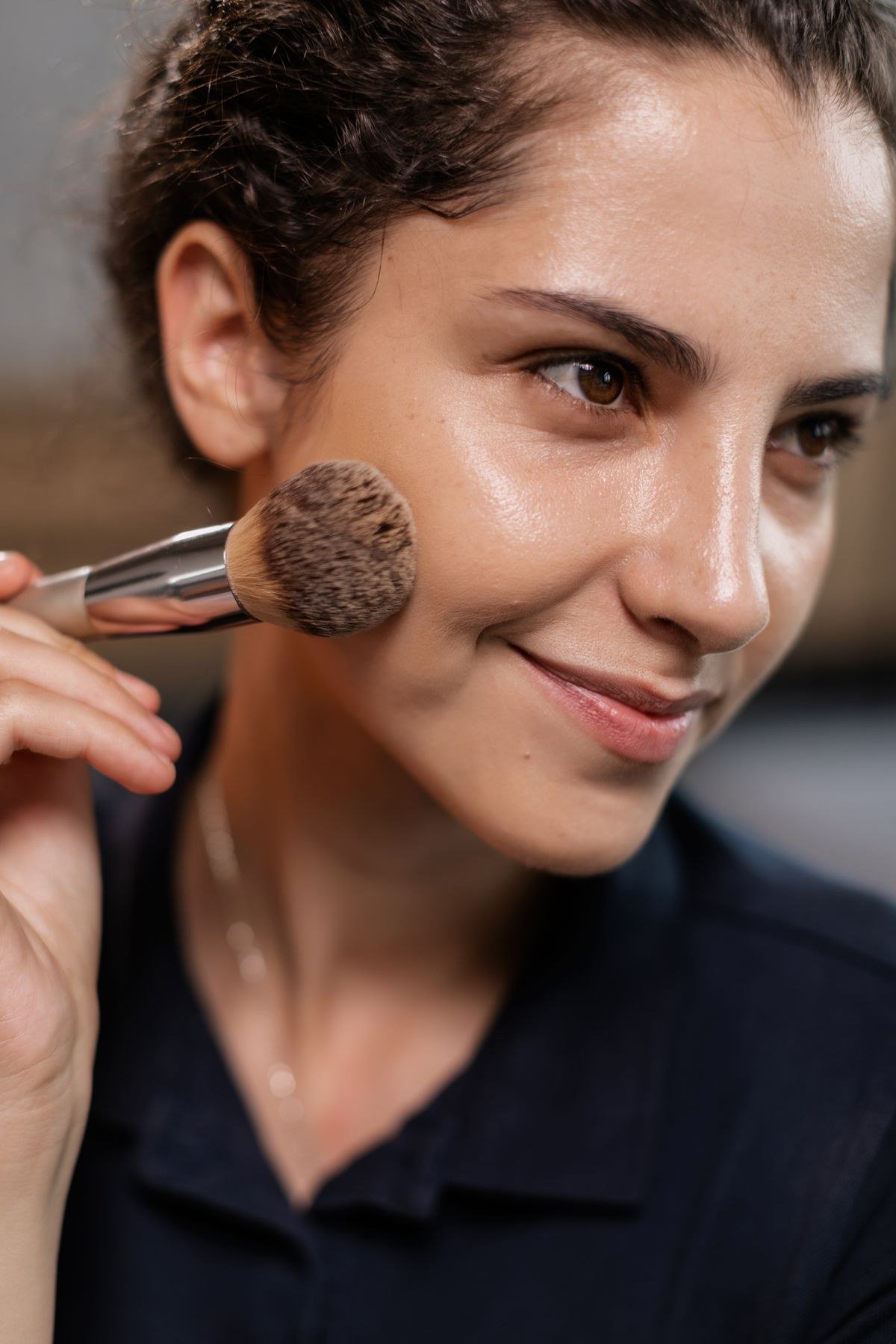
Powder is essential to cloud skin but must be used with restraint — this is where many people go wrong. Use a finely milled translucent setting powder and a fluffy brush, applying only where needed: the T-zone, around the nose, and under the eyes. Press and roll the brush rather than sweeping, which can disturb the foundation. Leave the cheeks and high points of the face powder-free to preserve natural luminosity. For extra blurring, try the “powder sandwich”: a light dusting before foundation on very oily skin, then a touch after. Bake only if you are extremely oily and need all-day wear; otherwise, baking creates a flatness that contradicts cloud skin’s soft dimension. The test: your skin should look softly set, not powdered — if you can see powder, you have used too much.
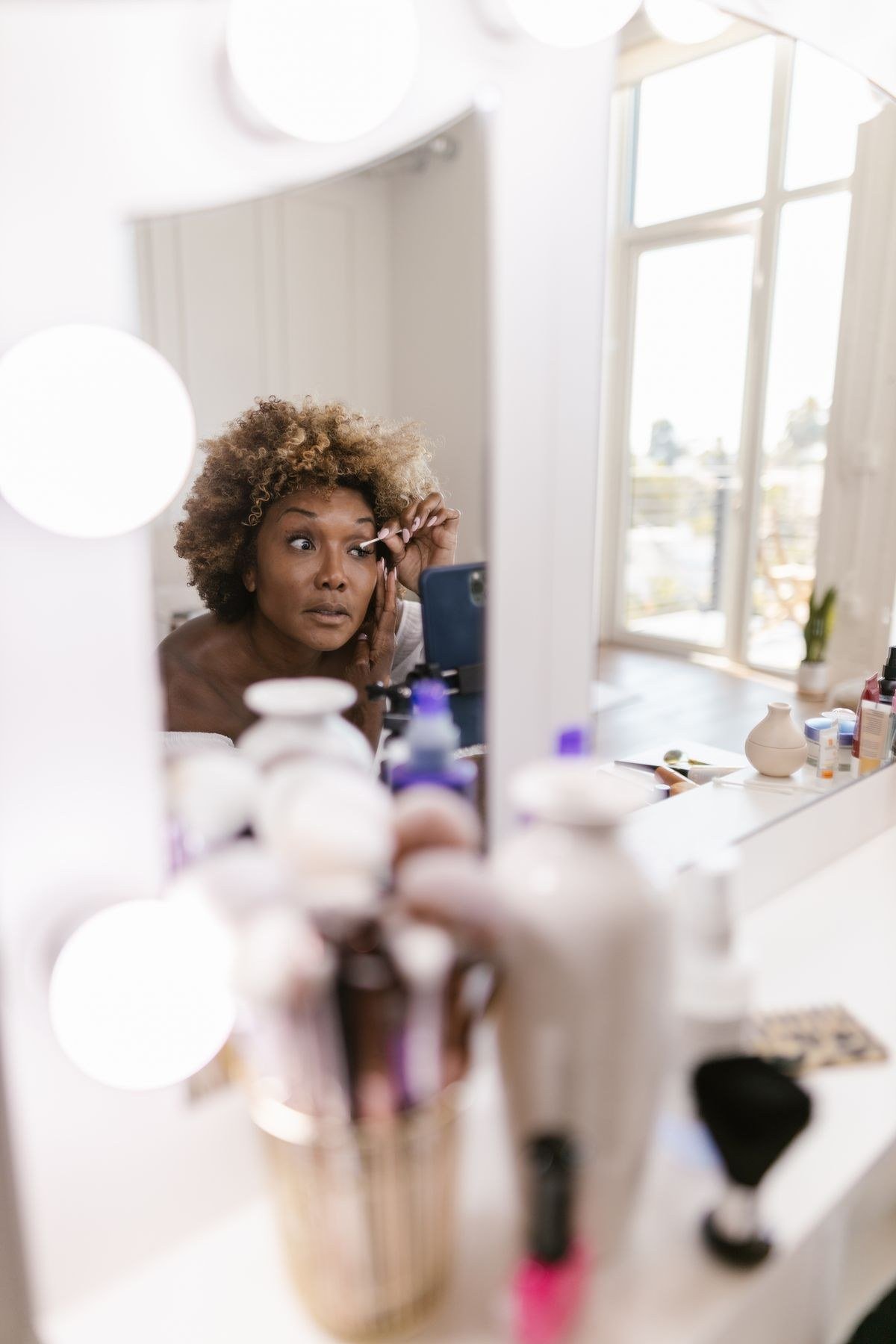
Pro tip: press and roll your powder brush instead of sweeping it across the face. Sweeping drags foundation and creates streaks, while pressing sets the product exactly where you placed it.
Step 6: Soft Blush for a Diffused Flush
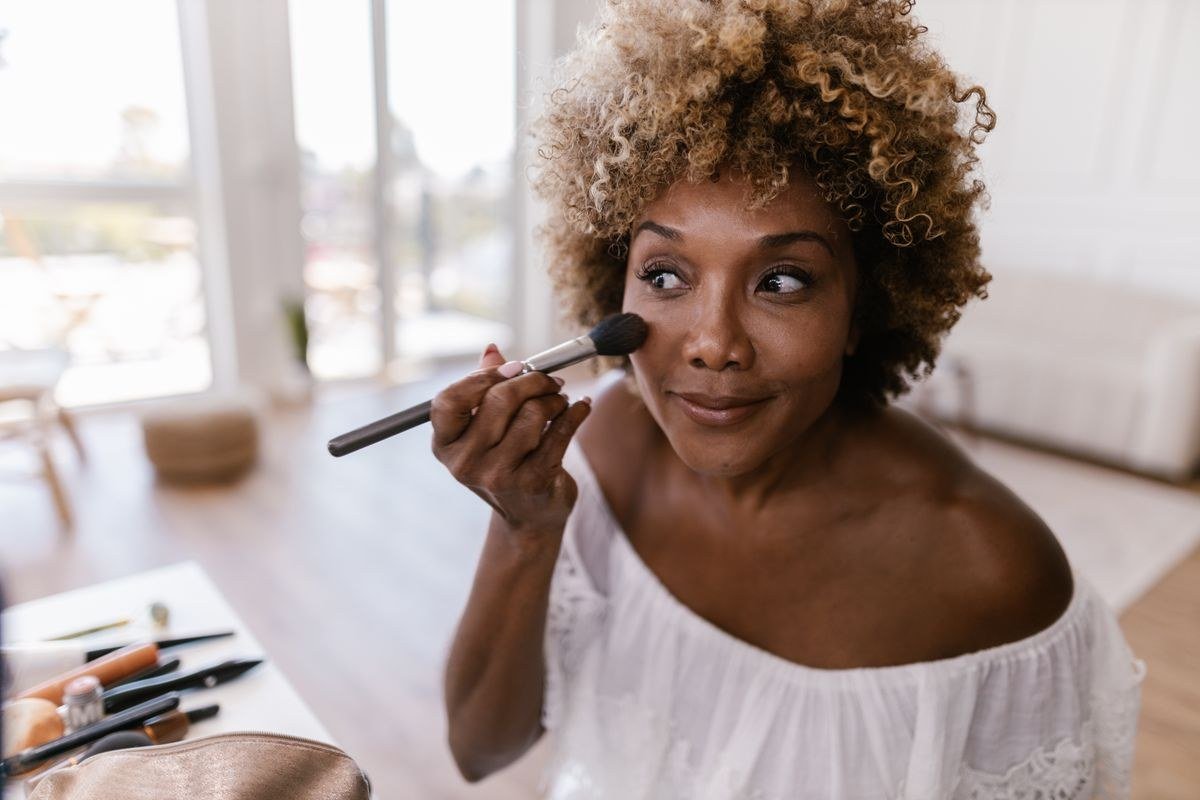
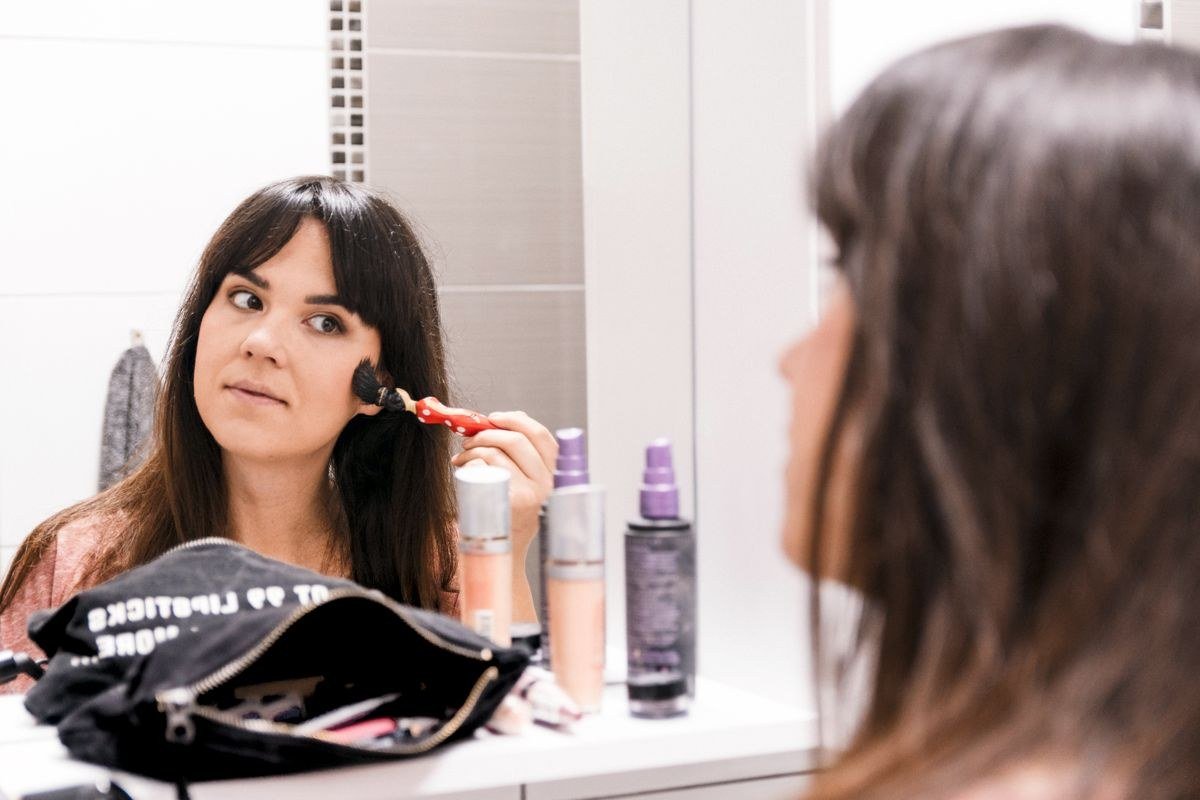
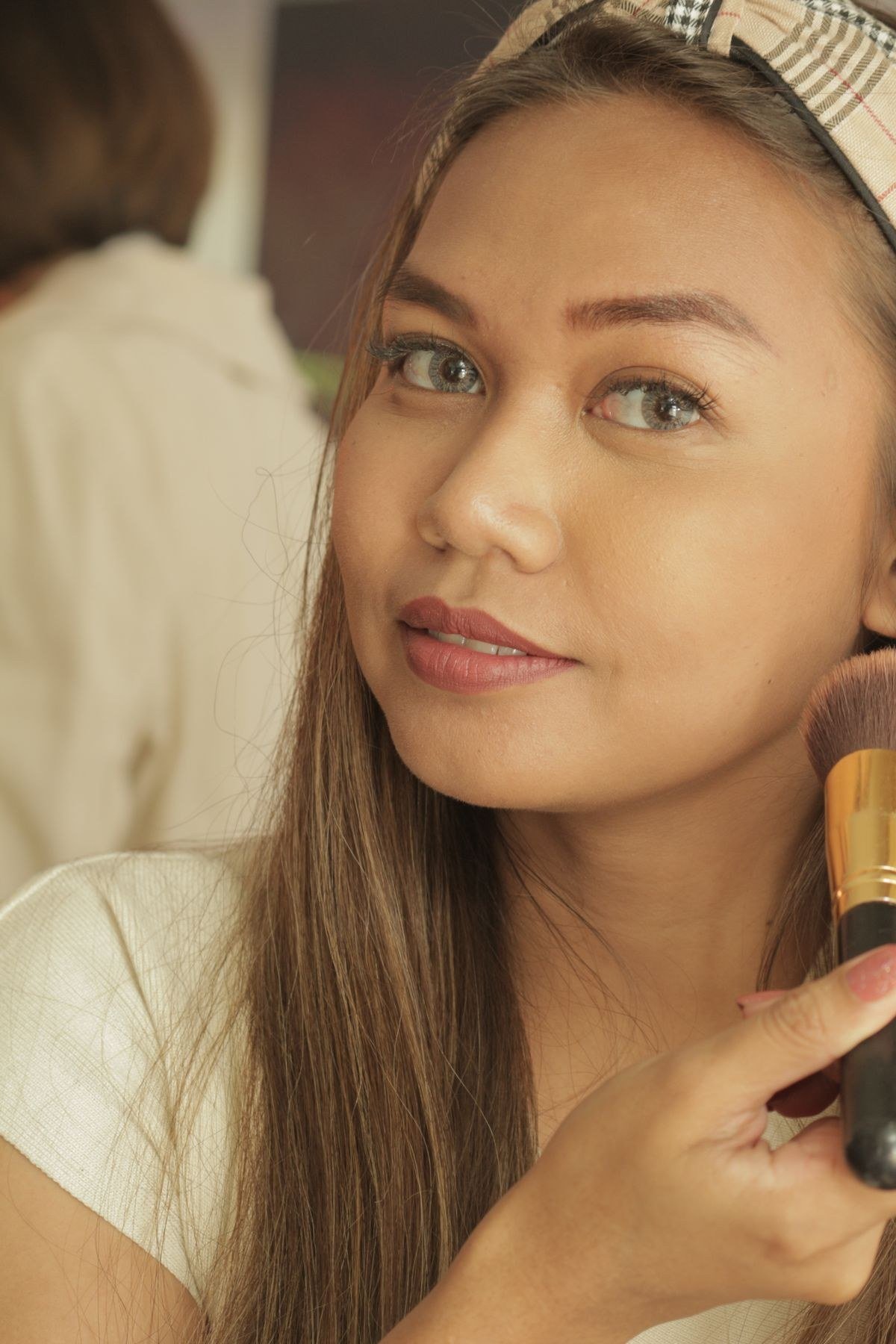
Blush brings cloud skin to life, adding the healthy flush that keeps the matte-satin base from looking lifeless. Powder blushes in soft matte or satin finishes work best — cream blushes can add unwanted dewiness, though a cream set with powder blush on top gives beautiful longevity. Choose shades that mimic a natural flush: soft rose, peachy pink, or warm mauve. Apply with a fluffy brush to the apples of the cheeks, blending upward toward the temples in soft, circular motions — harsh lines destroy the diffused effect. Build gradually; cloud skin blush should look like it blooms from within. For extra softness, dust a veil of translucent powder over the blush to melt it into the skin, enhancing that airbrushed, cloud-like finish.
Step 7: Subtle Contour and Bronzer
Cloud skin contour is about soft shadow, not chiseled lines. Use a matte bronzer or contour powder one to two shades deeper than your skin, applied with a fluffy brush in gentle sweeping motions under the cheekbones, along the jawline, and at the temples. Blend thoroughly — there should be no visible edges, just a soft suggestion of dimension. Cream contour can work if set lightly with powder, but powder is more foolproof for maintaining the velvety finish. Keep the application sheer; cloud skin dimension is whisper-soft. A touch of bronzer across the nose and forehead where the sun would naturally hit adds healthy warmth. The overall effect should be that your bone structure looks naturally defined, as if lit by the most flattering soft light.

Step 8: Highlighter — Less Is More
Highlighter on cloud skin is used with extreme restraint — this is the biggest departure from glass skin routines. Skip the blinding, metallic highlighters; instead, choose a subtle satin or pearl-finish powder highlighter. Apply the smallest amount to just the very tops of the cheekbones, the bridge of the nose, and the cupid’s bow, using a small fluffy brush and a light hand. The glow should read as a soft sheen, not a stripe of shine. Alternatively, skip powder highlighter entirely and let the unpowdered high points of your face provide natural luminosity — this is the most authentic cloud skin approach. In photos, this restrained highlight catches light beautifully without creating hot spots or flashback, which is why makeup artists love cloud skin for photography.
Pro tip: when in doubt, skip the highlighter entirely. The unpowdered high points of a cloud skin base provide natural luminosity on their own, and restraint always looks more expensive than shimmer.
Cloud Skin for Oily Skin Types
Oily skin and cloud skin are natural partners — the soft-matte finish controls shine while looking far more natural than flat matte makeup. Start with a mattifying primer in the T-zone and consider the powder-sandwich technique: a light dusting of translucent powder before foundation, then setting after. Choose oil-free, long-wear satin foundations that resist breaking down. Blotting papers are your best friend for midday touch-ups — press, do not rub, to remove oil without disturbing the blurred finish. Carry a small pressed powder for targeted touch-ups only where shine breaks through. Avoid layering too many cream products, which can slide on oily skin. With the right prep, oily skin can hold cloud skin beautifully for ten-plus hours.
Cloud Skin for Dry Skin Types
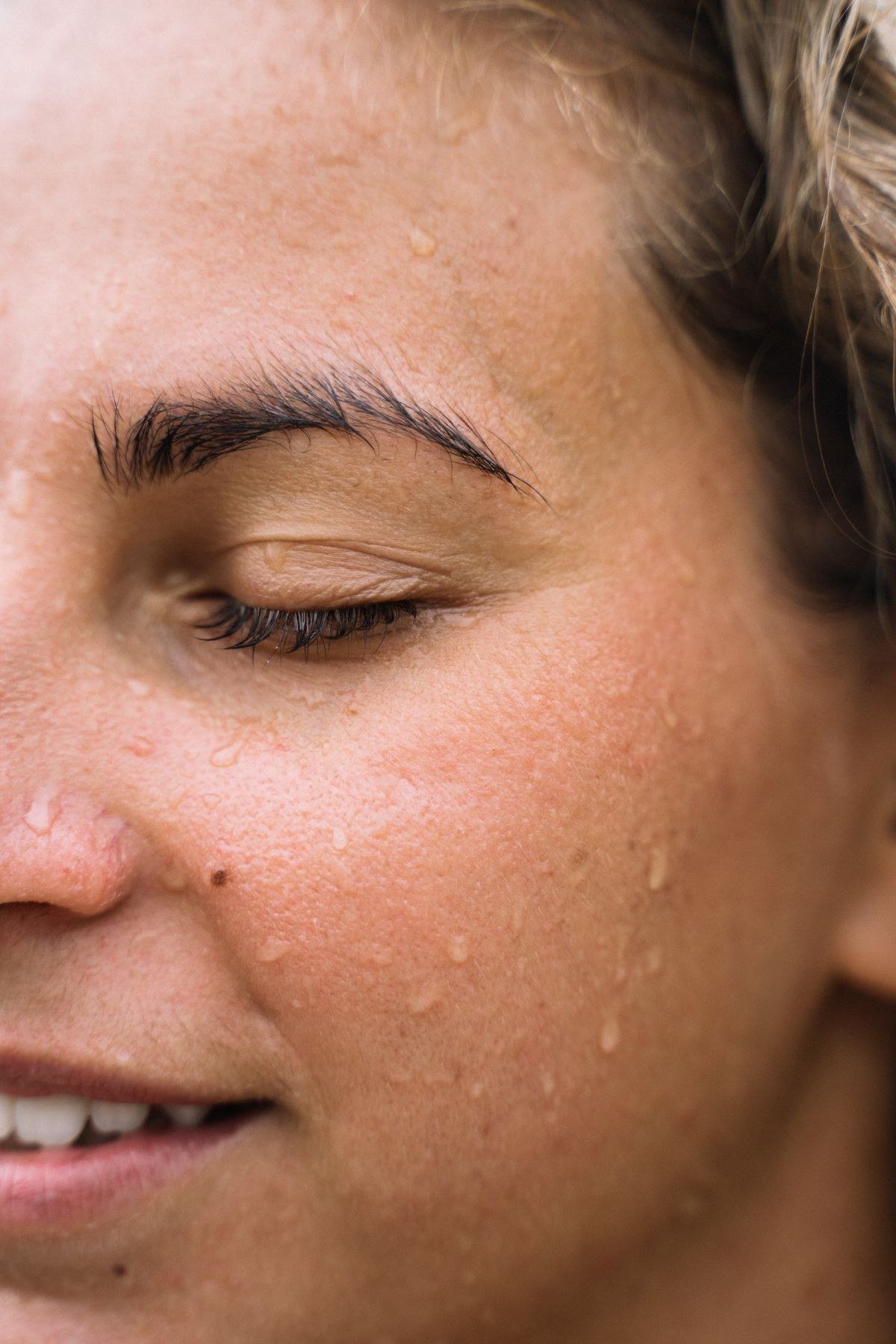
Dry skin can absolutely achieve cloud skin — the secret is in the prep. Layer hydration generously: hydrating toner, rich moisturizer, and even a facial oil pressed into the driest areas (let it absorb fully). Choose satin or natural-finish foundations with hydrating formulas rather than mattes, which cling to dry patches. Skip powder on dry areas entirely — set only the T-zone lightly, or use a hydrating setting spray instead of powder. Cream blush (set lightly with powder blush) adds life without emphasizing texture. Exfoliate gently the night before to remove flakes that would disrupt the smooth finish. The result is cloud skin with a slightly more luminous quality — soft and diffused, never cakey or tight.
Cloud Skin for Combination Skin
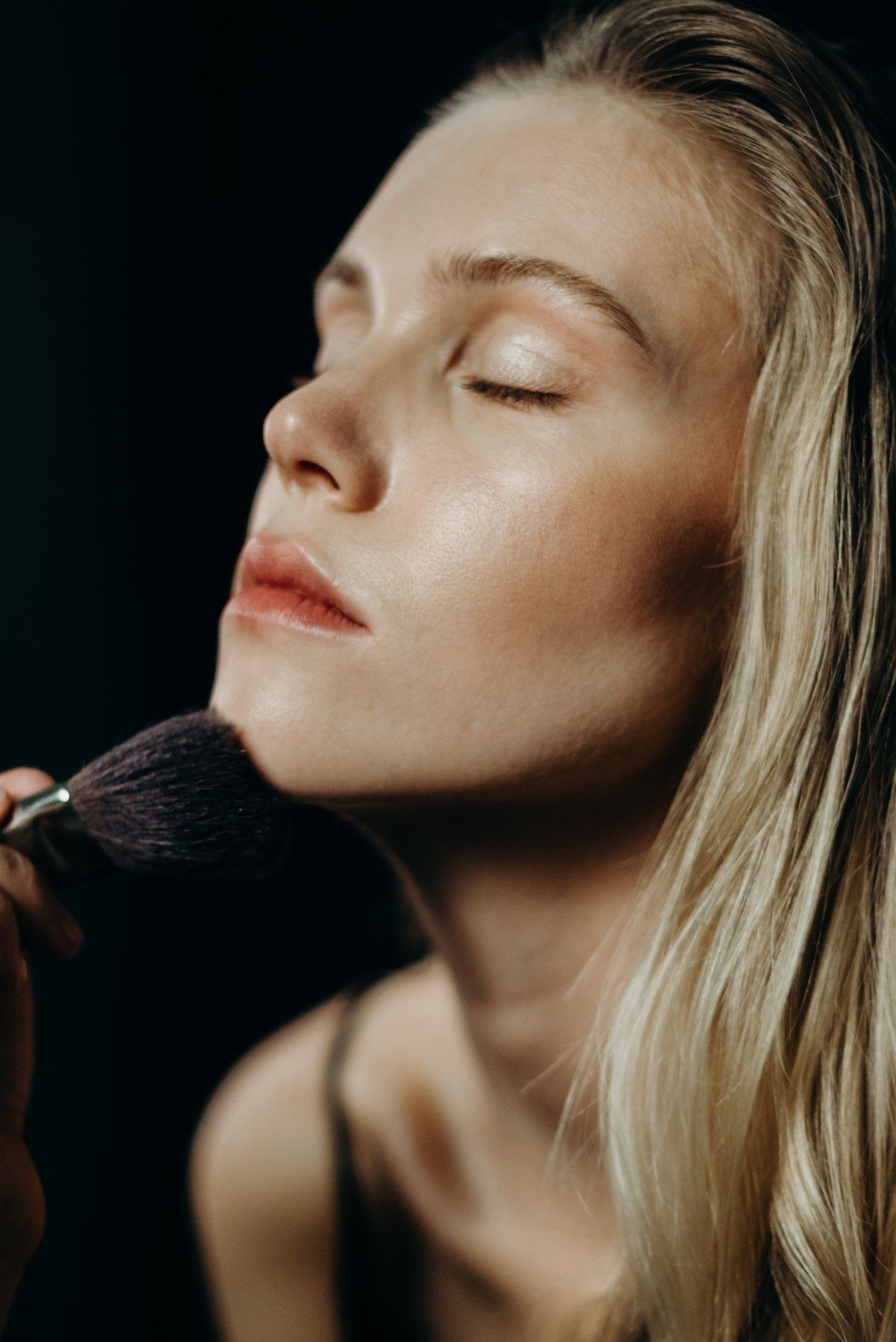
Combination skin requires a zone-based approach — treat the oily and dry areas differently. Apply mattifying primer to the T-zone and hydrating primer to the cheeks. Use your satin foundation all over, then powder only the T-zone, leaving cheeks free for natural luminosity. Blush and bronzer application stays standard, but choose powder formulas that would not disturb the different base textures. Midday, blot the T-zone as needed while leaving the cheeks alone. This customized method gives each zone what it needs while maintaining the unified cloud finish. Think of your face as two skin types sharing one makeup look — targeted products keep both happy and the overall effect seamlessly blurred.
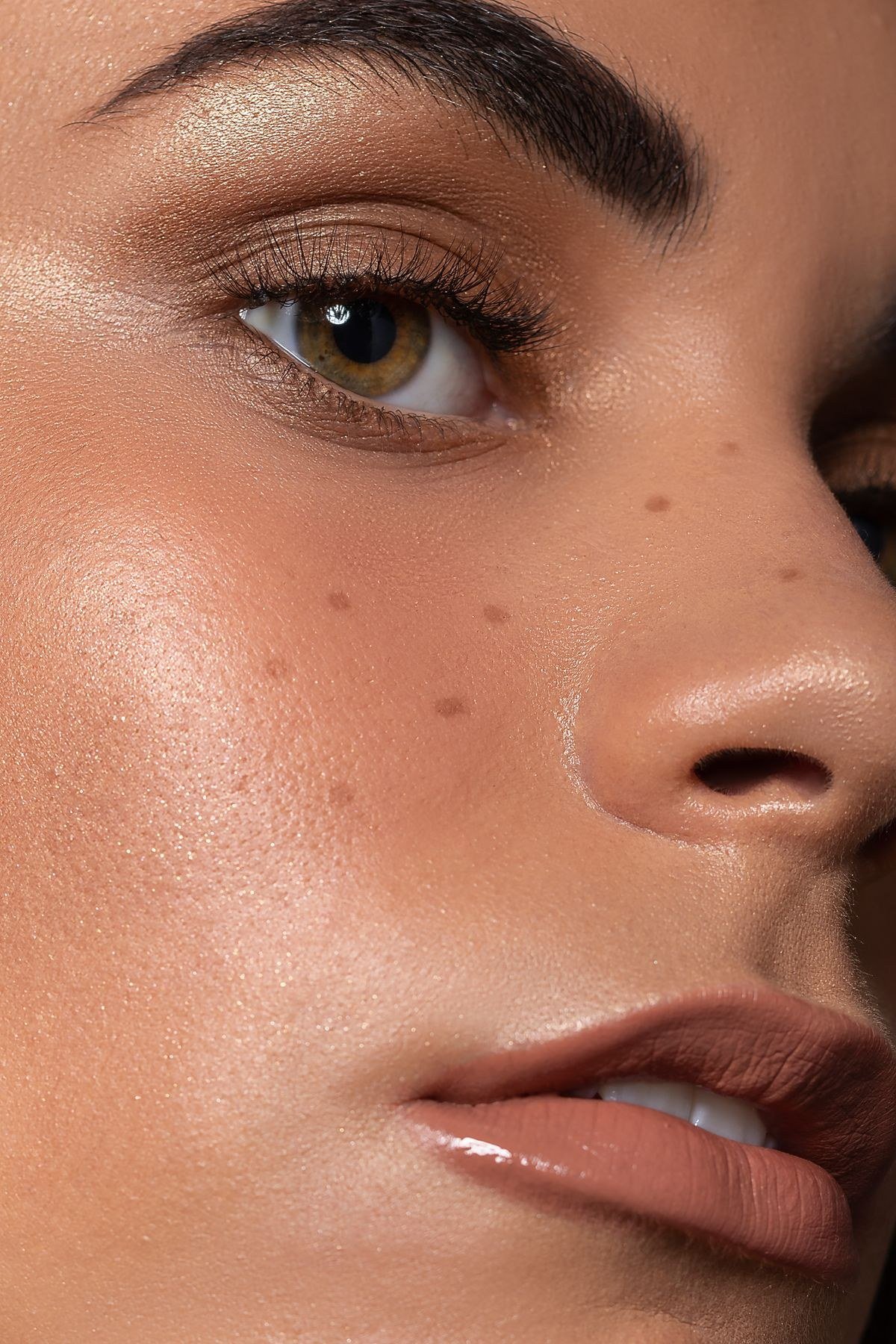
Pro tip: keep blotting papers and a mini pressed powder in your bag for combination skin touch-ups. Addressing the T-zone midday without touching the cheeks keeps the zone-based balance intact for hours.
Everyday Natural Cloud Skin Look
For daily wear, cloud skin can be simplified to five minutes. After skincare and primer, apply a light layer of satin skin tint or tinted moisturizer with your fingers — the warmth helps it melt in. Conceal only where needed, set the T-zone with a quick powder press, and add cream blush blended with fingers. Skip contour and heavy highlighter; a touch of bronzer adds dimension if desired. Finish with setting spray. This stripped-back version delivers the blurred, even, soft-matte essence of cloud skin without the full routine. It is perfect for work, errands, and anyone who wants to look polished with minimal effort. The everyday version proves cloud skin is a finish philosophy, not a complicated ritual.

Full-Glam Cloud Skin for Events
Cloud skin scales up beautifully for events. Build medium-full coverage with your satin foundation, taking time to blend each layer. Add soft contour, defined (but still diffused) blush, and a touch more highlighter on the high points. Pair the blurred base with a statement eye or bold lip — the soft skin lets the feature pop without competition. Set more thoroughly for longevity, using the powder sandwich and a long-wear setting spray. The full-glam version photographs exquisitely — the diffused finish looks airbrushed in photos without flashback. This is red-carpet-ready skin that still looks like skin, proving that glamour and naturalness are not opposites when the base is perfectly blurred.

Best Products for Achieving Cloud Skin
While technique matters most, the right products help. Look for blurring primers with silicone-based, pore-filling textures. Choose satin-finish foundations labeled “natural,” “soft matte,” or “second skin” — avoid dewy and full-matte extremes. Finely milled translucent powders (avoid tinted ones that can look heavy) are essential. For blush, soft matte or satin powder formulas in natural flush shades work best. A gentle, non-drying setting spray locks everything without adding shine. You do not need luxury products — excellent cloud skin options exist at every price point. Focus on finish descriptions over brand names: “blurring,” “soft focus,” “satin,” and “second skin” are the keywords that signal cloud-compatible formulas.

Pro tip: shop by finish keywords rather than brand names. Blurring, soft focus, satin, and second skin on the label signal cloud-compatible formulas at every price point, from drugstore to luxury.
Common Cloud Skin Mistakes to Avoid
Too much powder is the number one cloud skin killer — it creates a flat, cakey finish instead of soft diffusion. Applying foundation too heavily defeats the skin-like goal; build thin layers. Skipping skincare prep means makeup sits on texture rather than blurring it. Using dewy products pushes the finish toward glass skin — check your formulas. Harsh contour or blush lines break the diffused illusion; blend everything thoroughly. Forgetting to set the under-eyes leads to creasing that ruins the smooth effect. Finally, mismatched foundation shade is more visible in soft-matte finishes — match carefully in natural light. Avoid these pitfalls and the cloud effect comes together effortlessly.
Setting Sprays: Locking in the Cloud
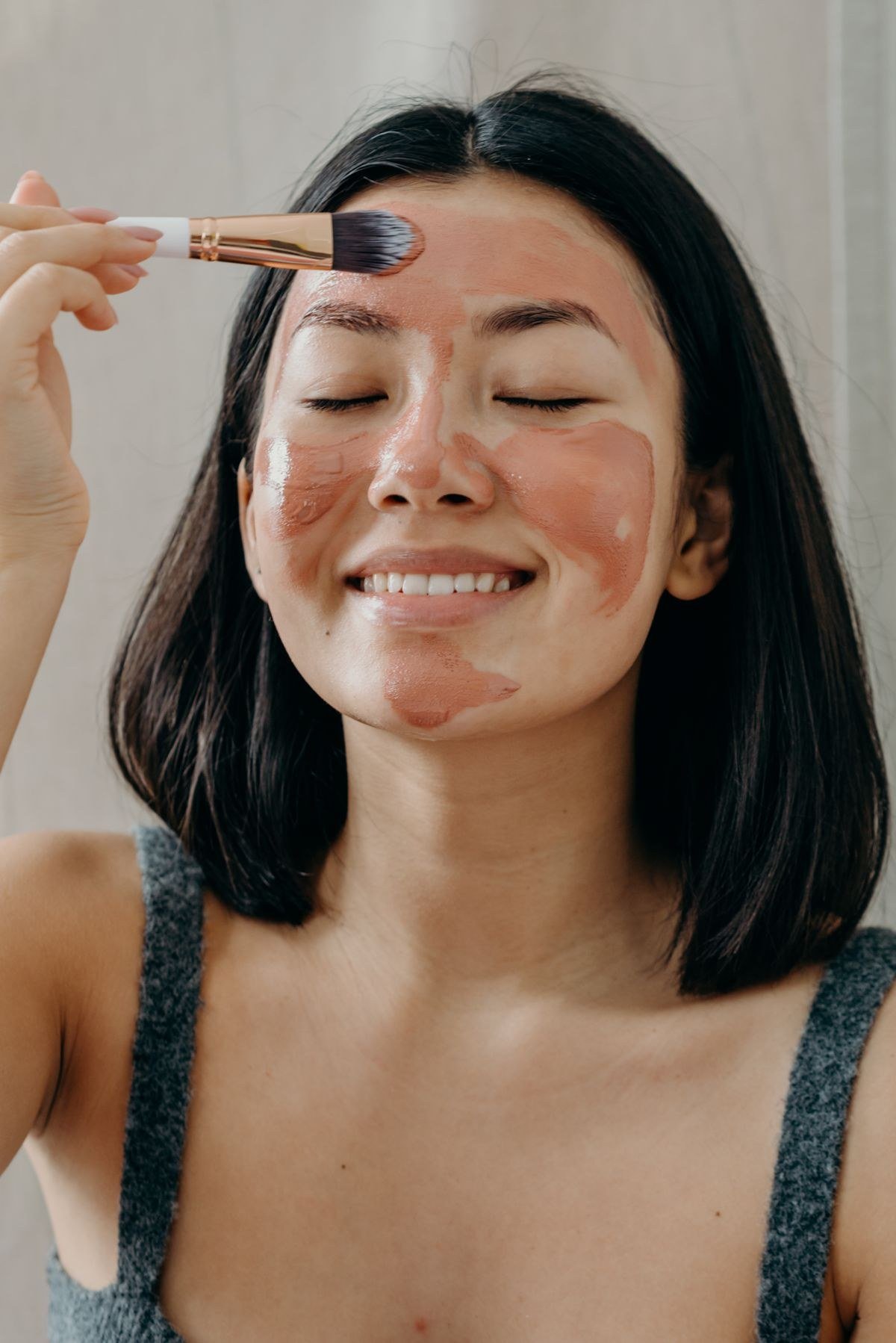
Setting spray is the final seal on cloud skin. Choose a natural-finish or matte setting spray — dewy sprays add unwanted shine. Hold the bottle eight to ten inches away and mist in an X and T pattern for even coverage. Let it dry naturally; fanning speeds drying but can disturb the finish. For extra longevity, try the spray sandwich: mist after primer, after foundation, and as a final set. Setting spray also melts powder into the skin, eliminating any powdery appearance and enhancing the diffused effect — this melting step is crucial for authentic cloud skin. In humid climates, a humidity-resistant formula keeps the blurred finish intact all day. Think of setting spray as the atmosphere that holds your cloud together.

Removing Cloud Skin Makeup Properly
Proper removal protects the smooth canvas cloud skin requires. Start with a cleansing oil or balm to dissolve the layers of primer, foundation, and powder — massage for a full minute to break everything down. Follow with a gentle water-based cleanser for a thorough double cleanse. Avoid harsh scrubbing, which irritates skin and creates the texture you work to blur. Follow with your regular nighttime skincare: toner, treatments, moisturizer. Occasional gentle exfoliation (one to two times weekly) maintains the smooth surface that makes cloud skin possible. Clean makeup sponges and brushes regularly — dirty tools deposit bacteria and apply product unevenly. Good removal and tool hygiene are the unglamorous foundations of every great makeup day.
Frequently Asked Questions About Cloud Skin Makeup
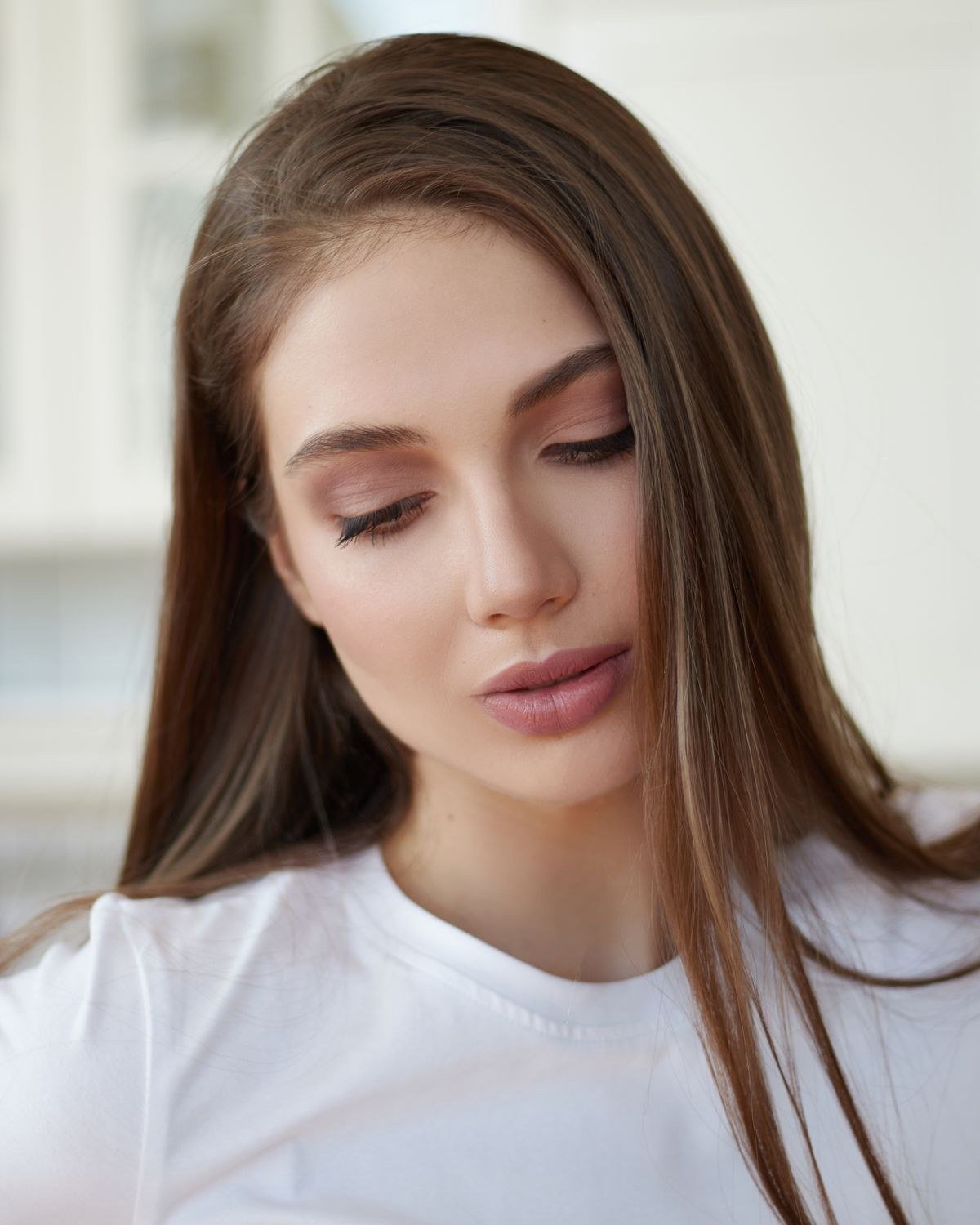
Is cloud skin suitable for mature skin? Yes — the soft-focus finish blurs fine lines beautifully; just prioritize hydration and avoid heavy powder. Can I achieve cloud skin without foundation? Yes — tinted moisturizer or skin tints with blurring primer and strategic powder work well. How is cloud skin different from matte makeup? Cloud skin has soft dimension and subtle luminosity; flat matte looks one-dimensional and can appear dry. Will cloud skin work in humid weather? Yes — it is actually ideal for humidity since it controls shine; use long-wear formulas. Do I need expensive products? No — technique matters more; great options exist at every price. Can men wear cloud skin? Absolutely — the natural, skin-like finish suits anyone wanting polished, even-toned skin.

I am Talha Sikandar, a professional writer with a passion for general blogging. With years of experience in content writing and research, I founded Meaniingly.com to deliver well-researched, informative, and user-friendly articles on diverse topics.