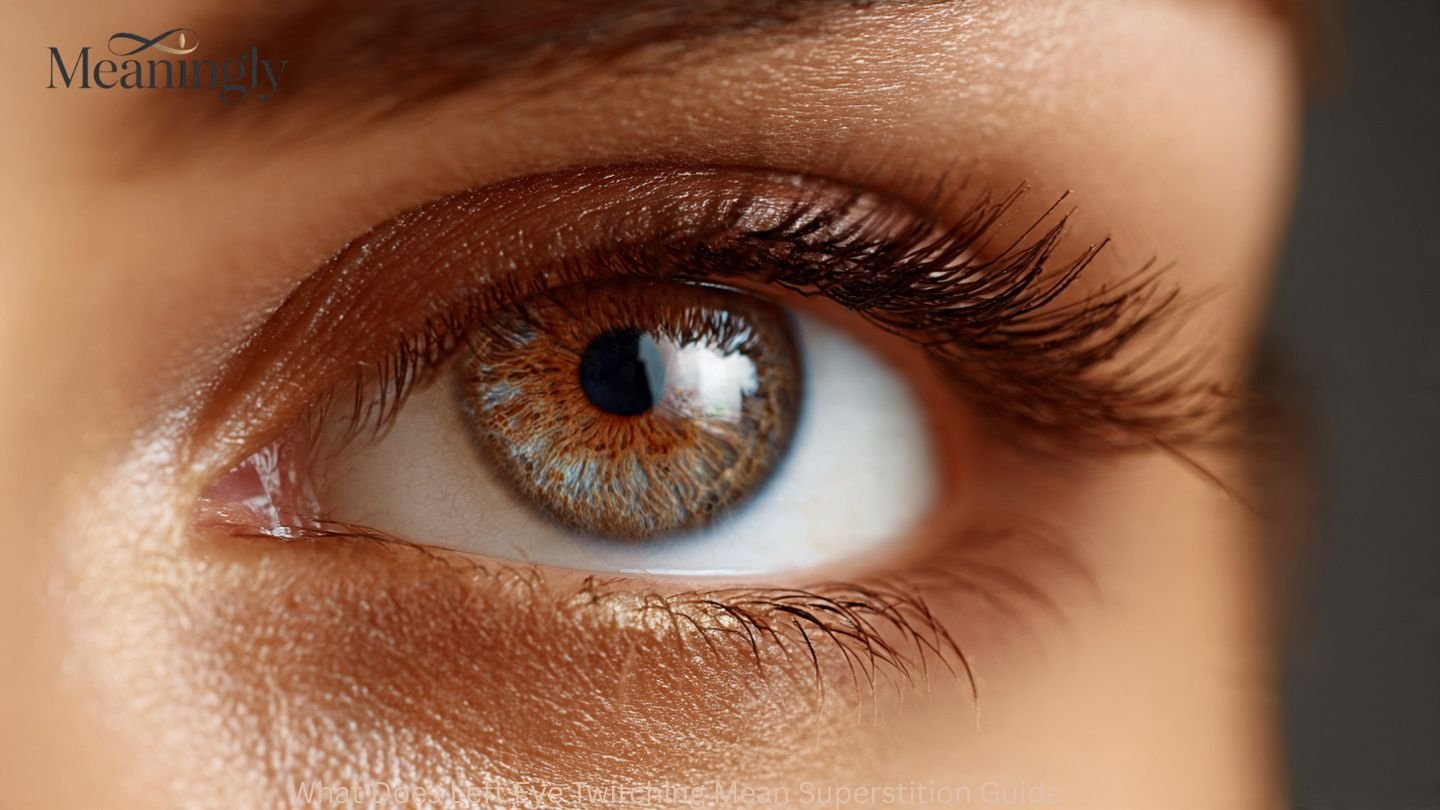
Left eye twitching has fascinated people for centuries with different meanings across cultures. Many believe it could signal good luck, bad news, or even a visitor coming, while science shows it’s usually just a harmless muscle spasm. Discover the real meaning behind this common superstition and what experts say.
What Is Eye Twitching
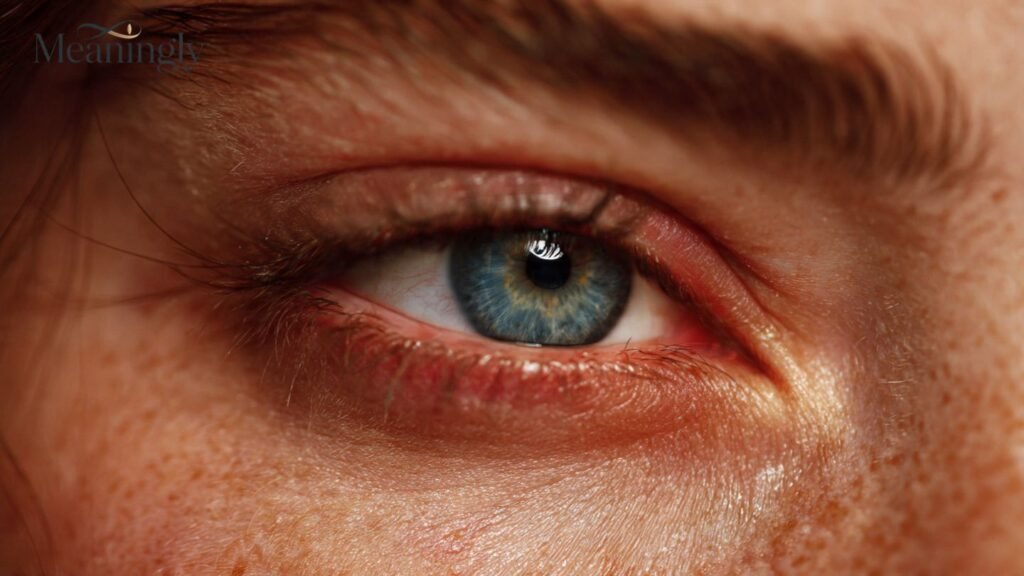
What Eye Twitching Really Means
Eye twitching, medically known as myokymia or blepharospasm, is an involuntary spasm of the eyelid muscles. Most of the time it is harmless and temporary, lasting a few seconds to minutes, and does not indicate any serious health issue.
Common Causes of Eye Twitching
Eye twitches can happen due to several physical factors:
- Stress and fatigue
- Sleep deprivation
- Excess caffeine or energy drinks
- Eye strain from long screen time or poor lighting
- Dry eyes or environmental irritants like dust and smoke
Persistent twitching accompanied by swelling, pain, or discharge should be checked by an ophthalmologist.
Eye Twitching Superstition Explained
Why People Believe in Eye Twitching Signs
Across cultures, eye twitching has long been thought to signal news, fortune, or misfortune. People often link left or right eye twitches to upcoming events or spiritual messages.
Is There Any Spiritual Meaning Behind Eye Twitching
Some traditions suggest eye twitches are messages from the subconscious or spiritual signals. For example, certain beliefs interpret twitches as warnings, guidance, or communication from ancestors.
Left Eye Twitching Superstition
Left Eye Twitching Meaning
- Caribbean: Could indicate gossip or bad news
- India: Considered unlucky for women, good for men
- China: Meaning depends on time of day, e.g., 9–11 a.m. may signal something good.
- Africa: Upper eyelid twitch signals an unexpected visitor; lower eyelid twitch predicts tears
- Egypt: Associated with bad news
- Hawaii: Seen as the arrival of a stranger or death in the family
Left Eye Twitching for Female
In several cultures, a left eye twitch is traditionally seen as a negative omen for women, suggesting caution or potential challenges.
Left Eye Twitching for Male
Conversely, in some regions such as India, left eye twitches in men are thought to bring positive outcomes or good fortune.
Right Eye Twitching Superstition
Right Eye Twitching Meaning
- Caribbean: Signals good news or praise from others
- China: Timing matters, e.g., 7–11 p.m. indicates good luck
- Egypt: Associated with good luck
- Hawaii: Sometimes linked with childbirth
Is Right Eye Twitching a Lucky Sign
In many cultures, right eye twitches are interpreted more positively than left eye twitches. However, these beliefs are purely cultural and have no medical basis.
Eye Twitching in Different Cultures
How Various Cultures Interpret Eye Twitching
Interpretations vary widely across the world. Some see it as a warning, others as good luck, while some link it to daily activities or visitors. Cultural context plays a major role in how eye twitches are understood.
Common Myths Around Eye Twitching
- Eye twitches predict death, illness, or fortune
- Timing of the day affects outcomes
- Gender changes the meaning
All of these are cultural myths, not scientific facts.
Eye Twitching Facts You Should Know
Medical Reasons Behind Eye Twitching
Eye twitching is usually caused by involuntary muscle contractions, stress, or fatigue. It is a natural physical phenomenon and generally harmless
Vitamin and Electrolyte Deficiencies
Occasionally, deficiencies in magnesium, potassium, or other electrolytes can trigger muscle twitches. Maintaining a balanced diet helps reduce twitching.
Stress, Fatigue, and Lifestyle Factors
- Adequate sleep
- Limiting caffeine
- Reducing screen time
- Hydration
- Avoiding irritants like dust and smoke
These measures often resolve temporary eye twitches.
Eye Twitching vs Superstition
Is Eye Twitching Just Stress or Something More
Scientifically, eye twitching is linked to physical triggers like stress or fatigue. There is no evidence that it predicts future events or carries supernatural meaning.
Science vs Belief System
Understanding the difference between cultural beliefs and medical facts is important. Eye twitching is a natural phenomenon and not a signal from the universe or spiritual world.
Should We Stop Believing Eye Twitching Superstitions
Understanding Reality Over Myths
While cultural interpretations are interesting, relying on them for life decisions can be misleading. Modern medicine confirms that eye twitches are benign and temporary.
When to See a Doctor
Seek professional advice if:
- Twitching persists for weeks
- There is swelling, pain, or discharge
- Other neurological symptoms appear
Final Thoughts on Eye Twitching Superstition
Eye twitching is a common phenomenon with various cultural interpretations. Science shows it is usually harmless and caused by fatigue, stress, or eye strain. While superstitions are fascinating, understanding the facts helps you separate myth from reality.
Frequently Asked Questions
1. What does it mean when my left eye twitches?
In many cultures it can signal good luck, bad news, or a visitor, but medically it’s usually a harmless eyelid spasm.
2. Is left eye twitching bad luck for women?
Some traditions, like in India, see left eye twitching as unlucky for women, though science shows it has no predictive power.
3. Does left eye twitching indicate someone is talking about me?
Caribbean and African beliefs suggest it may mean gossip or hidden conversations, but it’s purely cultural folklore.
4. Can the time of day affect the meaning of left eye twitching?
Yes, Chinese superstitions link twitching to specific hours, though modern research says timing has no real effect.
5. Is left eye twitching for men considered lucky?
In some cultures, yes, left eye twitching for men is seen as a positive sign, but scientifically it is just a muscle spasm.
6. Should I be worried if my left eye keeps twitching?
Most of the time it’s harmless, caused by stress, fatigue, or caffeine, but persistent twitching with other symptoms needs a doctor’s check.
7. Can lifestyle changes stop left eye twitching?
Yes, adequate sleep, hydration, limiting caffeine, and reducing screen strain often help reduce or stop twitching.
Conclusion
Left eye twitching superstition meaning varies widely across cultures and genders, with interpretations ranging from good luck to warnings. Science, however, confirms it is usually a harmless eyelid spasm caused by stress, fatigue, or eye strain. Understanding the facts helps separate myth from reality and keeps you informed about your eye health.

Anna Alesa is an experienced content writer with over 4 years of expertise in creating high-quality articles for meaning-based websites.