Charter change meaning refers to the process of amending or revising the 1987 Philippine Constitution. It involves political, economic, and legal reforms that can affect governance, citizen rights, and foreign investment. Understanding charter change helps Filipinos stay informed about national decisions and their long-term impact.
What Is Charter Change

Definition and Meaning of Charter Change
Charter change refers to the process of amending or revising the 1987 Constitution of the Philippines. It allows changes to political, economic, or legal provisions to adapt governance to current needs.
Why Charter Change Matters Today
Charter change is important because it can reshape political structures, economic rules, and cultural protections. Discussions often focus on term limits, foreign investment, and representation.
How Charter Change Works
The Process of Charter Change
There are three legal methods:
- People’s Initiative – Citizens propose amendments through petitions with required signatures.
- Constituent Assembly – Congress votes to propose changes.
- Constitutional Convention – Elected delegates draft amendments.
All proposed changes require ratification through a national referendum.
Best Methods for Amending the Constitution
The choice depends on the scope of change. Minor amendments can use people’s initiative, while major revisions often require a constitutional convention or constituent assembly.
Should Congress Vote Jointly or Separately
Congress can vote jointly or in separate houses. Joint voting requires three-fourths approval, while separate voting allows more scrutiny and debate.
Can Charter Change Be Limited to Specific Provisions
People’s initiative can propose only minor, clear, and specific amendments. Major revisions affecting multiple provisions usually require broader approval.
History of Charter Change in the Philippines
Brief History of Past Charter Change Attempts
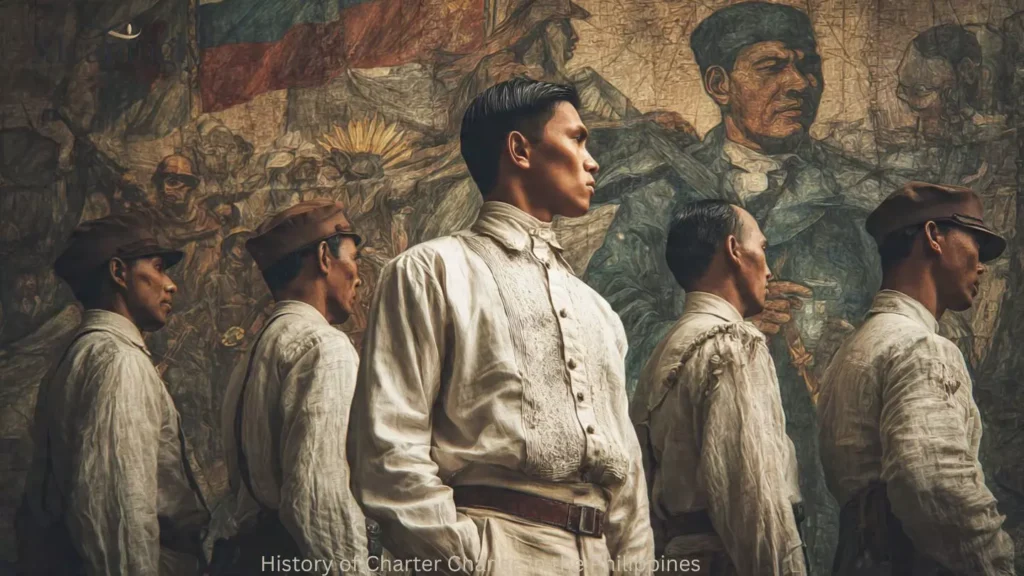
Several attempts have been made since 1987, but none succeeded in national ratification. Proposed amendments often faced legal, political, and public opposition.
Why Previous Attempts Failed
Failures were due to lack of consensus, low public awareness, political conflicts, and fears of undermining democratic checks and balances.
Current Charter Change Developments
Charter Change Discussions in Congress
Recent proposals include revising term limits, tandem voting for president and vice president, and liberalizing foreign ownership in key sectors.
Proposals on Democratic Representation
Lawmakers have suggested changes to political structures to streamline elections, strengthen party systems, and encourage long-term governance plans.
Concerns About Term Extension
Critics argue term extensions risk political overreach and repeat historical abuses, emphasizing that long terms do not guarantee national progress.
Charter Change Through People’s Initiative
What Is a People’s Initiative
A people’s initiative allows citizens to propose minor constitutional amendments by gathering signatures representing at least 12% of registered voters with 3% in each district.
How People’s Initiative Charter Change Works
Once verified, proposals are submitted to the Commission on Elections (COMELEC) for plebiscite ratification. Critics warn it can be misused for narrow political interests.
Key Issues and Debates Around Charter Change
Political, Economic, and Cultural Control
- Political: Changes may affect term limits, tandem voting, and party dynamics.
- Economic: Liberalization could open mining, land, and water resources to more foreign ownership.
- Cultural: Media ownership liberalization may impact information control and national interests.
Arguments Supporting Charter Change
Proponents argue it modernizes governance, encourages investment, and strengthens political systems.
Arguments Opposing Charter Change
Opponents warn of self-serving politicians, risk to national sovereignty, economic inequality, and distraction from urgent social needs.
Possible Impacts of Charter Change
Impact on Governance and Democracy
Changes could strengthen or weaken checks and balances, influence elections, and reshape political representation.
Impact on Economy and Foreign Investment
Opening key industries may attract foreign direct investment but could also increase inequality and reduce local control over resources.
Impact on the Real Estate Industry
Relaxing ownership restrictions may raise land prices, making housing less accessible to Filipinos while favoring foreign investors.
Why Filipinos Should Pay Attention to Charter Change
Long Term Effects on Rights and Representation
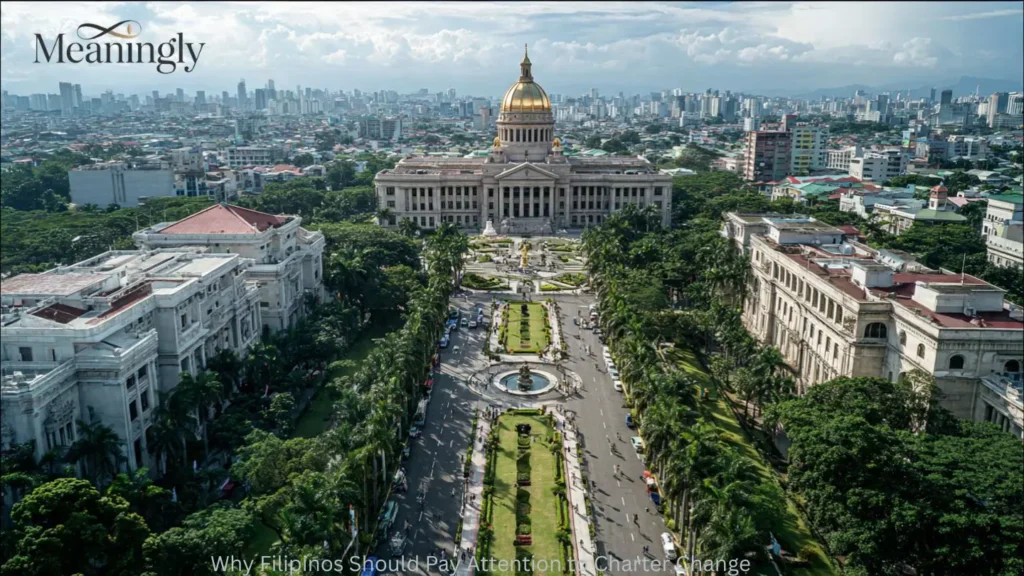
Amendments could affect citizens’ political participation, property rights, and economic opportunities for generations.
Why Public Awareness Is Important
Understanding charter change ensures informed voting, protects democratic rights, and prevents manipulation by political or economic elites.
Frequently Asked Questions
What does charter change mean
Charter change means amending or revising the 1987 Philippine Constitution to update political, economic, or legal provisions.
Why is charter change important
It is important because it can affect governance, citizen rights, foreign investment, and long-term national policies.
How does charter change work
It can happen through a people’s initiative, a constitutional convention, or a constituent assembly, and must be ratified by a plebiscite.
Can charter change be limited to certain provisions
Yes, minor amendments can be proposed through a people’s initiative, but major revisions usually require broader approval.
Who can propose charter change
Proposals can come from Congress or citizens, depending on the method chosen for amendment.
What are the main debates about charter change
Debates focus on term limits, foreign ownership, political power, and public welfare impacts.
Has the Philippines successfully changed the charter before
Several attempts have been made since 1987, but none succeeded in national ratification due to legal, political, and public opposition.
Conclusion
Charter change meaning is about updating the Philippine Constitution to reflect current political, economic, and social needs. Understanding its process, debates, and potential impacts helps citizens stay informed and protect their rights.

Anna Alesa is an experienced content writer with over 4 years of expertise in creating high-quality articles for meaning-based websites.