Ethiopian art ideas
Ethiopian art is among the oldest and most distinctive artistic traditions in the world, shaped by ancient Christianity, rich textile crafts and a vibrant contemporary scene. From illuminated manuscripts and church paintings to woven tibeb borders and bold modern canvases, Ethiopian art carries deep cultural meaning in every colour and pattern. Ethiopian art ideas offer inspiration for collectors, decorators and anyone curious about a remarkable heritage. This guide explores twenty facets of Ethiopian art, from ancient treasures to living traditions. Whether you are a collector, a decorator or simply curious, Ethiopian art rewards close attention, revealing layers of history, faith and extraordinary craftsmanship in every piece, from ancient church paintings and handwoven textiles to the bold, colourful canvases of today’s Addis Ababa galleries, the living rituals of the coffee ceremony, and the sacred rock churches that continue to draw visitors from around the world. This guide is your starting point for exploring that richness.
Ethiopian Orthodox Church Paintings

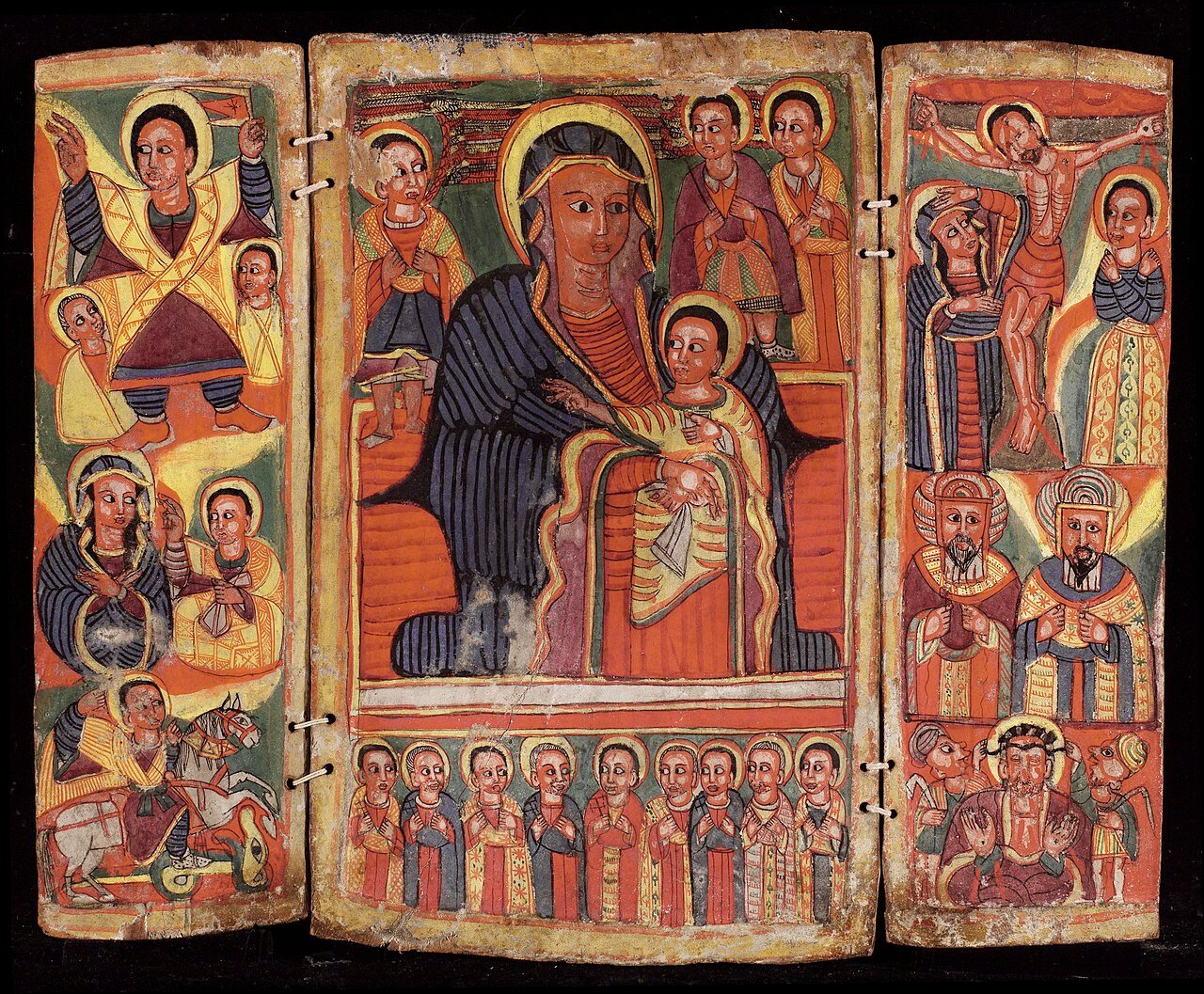
Ethiopian Orthodox church paintings are among the most recognisable works in Ethiopian art, with large, expressive eyes, vivid colours and stories from the Bible and the lives of saints. Painted on church walls, wooden panels and canvas, these works use a distinctive style that has evolved over centuries while keeping its spiritual purpose. The paintings teach, inspire devotion and decorate sacred spaces. Church paintings use large, expressive eyes and vivid colours to tell biblical stories to worshippers of all literacy levels.
When viewing church paintings, notice the bold outlines, the flat yet expressive figures and the rich use of red, yellow and blue. Many churches, especially in the north, welcome respectful visitors, though photography rules vary and should always be checked first. These paintings are living religious art, not museum pieces, which makes encountering them especially moving. Church paintings in Ethiopia often cover entire walls in narrative sequences, allowing worshippers to follow biblical stories visually.
Ethiopian Illuminated Manuscripts
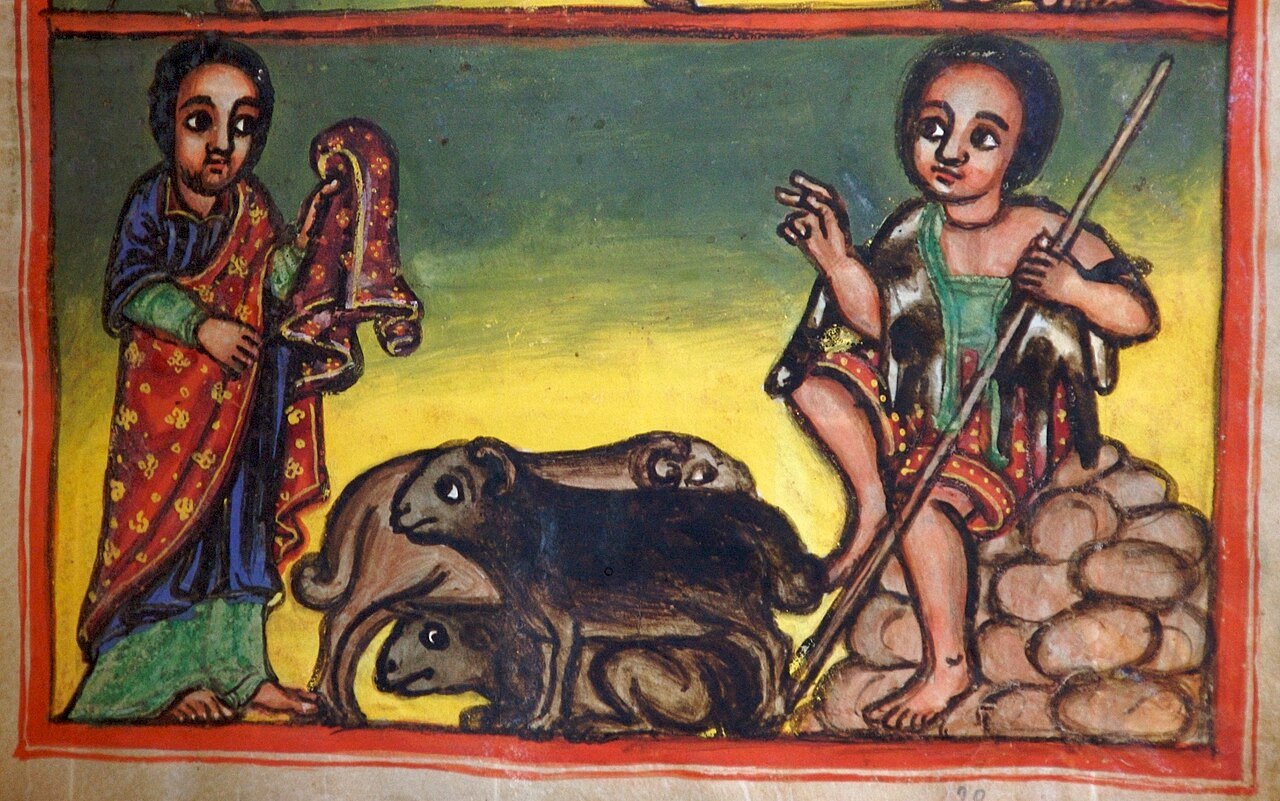
Ethiopian illuminated manuscripts are handwritten religious books decorated with miniature paintings, some dating back many centuries. Written on parchment in the ancient Ge’ez language, these manuscripts combine calligraphy with vivid illustrations of biblical scenes, saints and ornate borders. They are treasures of both art and literacy. Manuscripts on parchment combine Ge’ez calligraphy with miniature paintings, preserving faith and art together.
Surviving manuscripts are held in churches, monasteries and museums, and facsimiles allow wider appreciation without risking fragile originals. When studying them, look for the distinctive large-eyed figures, the geometric border patterns and the way text and image work together on each page. Manuscripts show how Ethiopian artists preserved faith and beauty through centuries. Manuscripts written on parchment are extremely fragile, so museums display them under low light and controlled humidity.
Ethiopian Textiles and Tibeb Borders
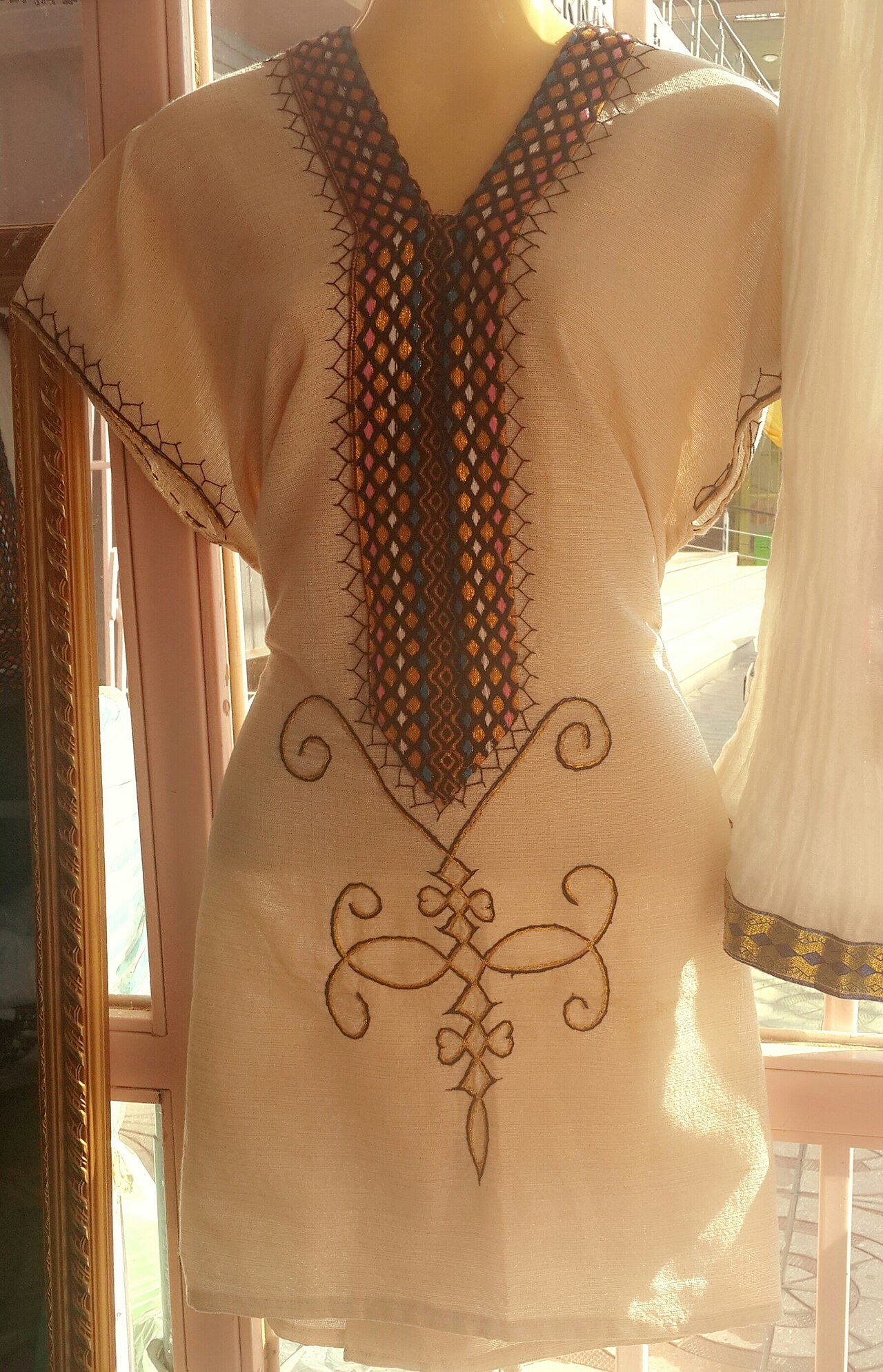
Ethiopian textiles are celebrated for their handwoven cotton and the colourful tibeb borders that edge traditional garments. Woven on wooden looms, these textiles feature intricate patterns in bright colours, with each region and community favouring particular designs. The white cotton cloth, called shemma, provides a luminous background for the vivid borders. Tibeb borders carry cultural meaning, with patterns that signal region, community and occasion to knowledgeable viewers.
Tibeb patterns range from simple stripes to complex geometric and figurative designs, and they carry cultural meaning about identity and occasion. Modern designers now use tibeb-inspired borders on scarves, table linens and contemporary clothing, bringing this weaving heritage into everyday life. Supporting weavers directly helps keep the craft alive. Tibeb borders are woven separately from the main cloth, then sewn on, which allows weavers to specialise in complex patterns.
Ethiopian Crosses in Metalwork

Ethiopian crosses are masterpieces of metalwork, crafted in silver, gold, brass and iron with intricate lattice and interlace patterns. Processional crosses, carried in church ceremonies, can be large and elaborate, while smaller hand crosses and neck crosses are personal devotional objects. The designs are often so fine that they resemble lace made from metal. Metalwork crosses feature lattice patterns so fine they resemble lace, showcasing extraordinary artisanal patience.
Collectors admire Ethiopian crosses for their craftsmanship and symbolism, with patterns that include geometric lattices, floral motifs and figures. When buying, choose pieces from reputable sellers who work with Ethiopian artisans, and learn about the cross’s style and origin. A well-made Ethiopian cross is both a work of art and a piece of living faith. Ethiopian crosses often feature intricate openwork that requires extraordinary patience, with some designs taking weeks to complete.
Ethiopian Coffee Ceremony Art

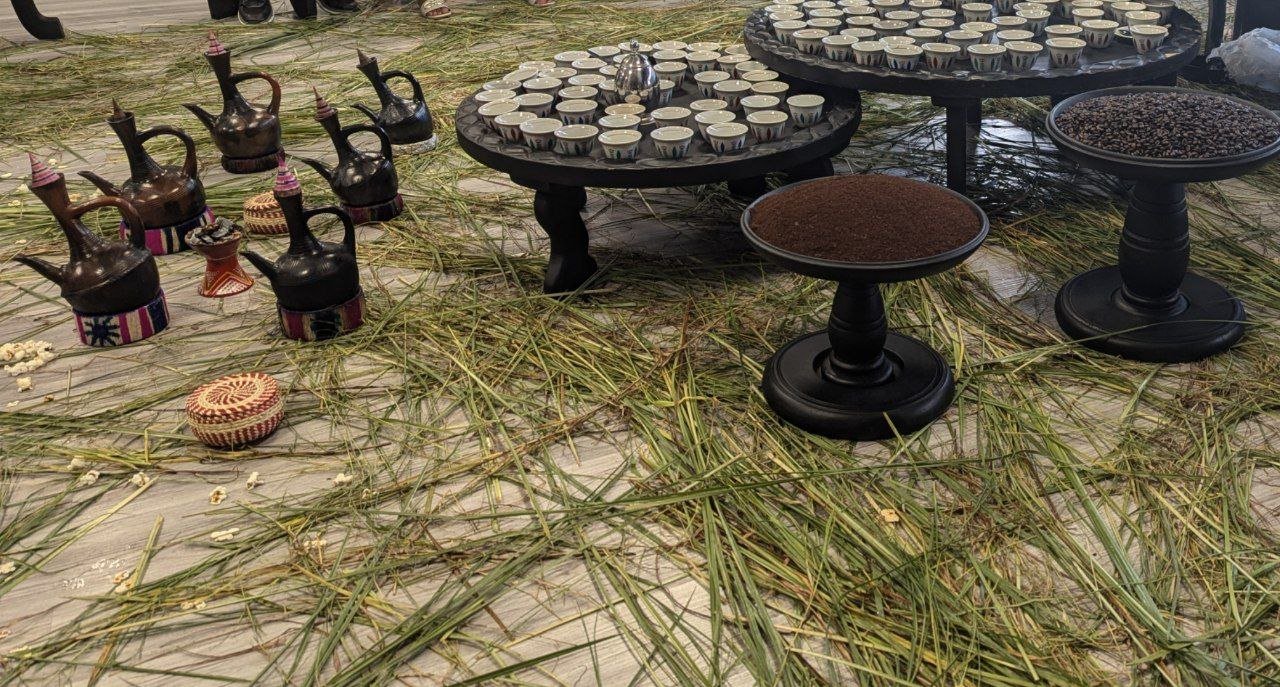
The Ethiopian coffee ceremony is a living art form, centred on roasting green beans, grinding them by hand and brewing coffee in a black clay jebena pot. The ceremony involves incense, popcorn and small handle-less cups, and it unfolds slowly, as a social ritual that honours guests and builds community. Its beauty lies in the performance as much as the coffee. Coffee ceremonies unfold as slow, choreographed rituals, honouring guests through roasting, grinding and brewing.
To experience the ceremony’s artistry, notice the careful choreography: the washing of beans, the roasting over charcoal, the rhythmic grinding and the high pour from the jebena. Traditional dress, woven mats and decorated cups complete the visual richness. The coffee ceremony shows how Ethiopian art lives in everyday rituals, not only in objects. The coffee ceremony’s jebena pot is made from black clay and shaped specifically to brew coffee over an open flame.
Lalibela Rock Church Art

The rock-hewn churches of Lalibela are extraordinary works of architecture and art, carved downward from solid rock in the twelfth and thirteenth centuries. Inside, the churches hold paintings, carvings and religious objects that continue to be used in worship today. Lalibela is a UNESCO World Heritage site and a place of pilgrimage. Lalibela’s rock churches were carved downward from solid stone, a feat that still astonishes engineers today.
Visitors to Lalibela encounter art in stone: carved columns, arches, friezes and crosses cut directly from the rock, alongside painted interiors. The scale of the achievement, creating entire churches from a single rock mass, remains astonishing. Respectful visiting, with local guides and attention to religious customs, is essential at this sacred site. Lalibela’s churches were carved from the top down, an astonishing engineering feat that still puzzles modern builders.
Ethiopian Contemporary Painting

Ethiopian contemporary painting is a dynamic, internationally recognised scene, with artists in Addis Ababa and abroad exploring identity, history, politics and everyday life. Contemporary painters blend traditional Ethiopian imagery with modern techniques, creating works that are bold, colourful and thought-provoking. Galleries in Addis Ababa showcase this thriving scene. Contemporary painters blend traditional imagery with modern techniques, addressing identity and history boldly.
To explore contemporary Ethiopian painting, visit galleries in Addis Ababa, follow Ethiopian artists online, or attend exhibitions when they tour internationally. Notice how many artists reference church painting styles, textiles or historical events while speaking to present-day concerns. Contemporary painting proves Ethiopian art is a living, evolving tradition. Contemporary Ethiopian painters often exhibit internationally, bringing Ethiopian stories to audiences far beyond Addis Ababa.
Ethiopian Traditional Dress as Art

Ethiopian traditional dress is wearable art, from the white cotton habesha kemis with its colourful tibeb borders to the embroidered outfits worn for celebrations. Each garment combines weaving, embroidery and draping into a form that is both beautiful and culturally meaningful. Dress varies by region, occasion and community, creating a rich visual diversity. Traditional dress combines weaving, embroidery and draping into garments that are both beautiful and meaningful.
At weddings and festivals, traditional dress becomes a spectacular display, with bright colours, gold thread and intricate patterns. Modern Ethiopian fashion designers reinterpret traditional dress for contemporary wear, keeping the craft relevant. Wearing or displaying Ethiopian dress respectfully, with understanding of its origins, honours the artisans behind it. Traditional dress varies significantly by region, with different embroidery, colours and draping styles marking local identity.
Ethiopian Basket Weaving
Ethiopian basket weaving produces beautiful, functional objects, from tightly woven mesob tables used for communal meals to colourful storage baskets and trays. Weavers use grasses, reeds and dyed fibres to create geometric patterns in natural and bright colours, with techniques passed down through generations. Each basket reflects its maker’s skill and region. Basket weaving produces mesob tables and trays that are functional, durable and richly patterned.
The mesob, a woven table with a lid, is the most iconic Ethiopian basket form, used to serve injera and stews during shared meals. Smaller baskets serve as bread holders, coffee trays and decorative pieces. Buying baskets directly from weavers or fair-trade sellers supports rural livelihoods and keeps an ancient craft thriving. Mesob tables are woven tightly enough to hold food, yet light enough to carry, showing how beauty and function combine.
Ethiopian Mural Art

Ethiopian mural art adorns church interiors and, increasingly, urban walls, with large-scale paintings that tell religious stories or celebrate community life. Church murals follow centuries-old conventions, while modern street murals in Addis Ababa address contemporary themes in vivid colour. Both forms show art’s public, communal role in Ethiopia. Murals in churches follow centuries-old conventions, while urban murals address contemporary themes vividly.
Church murals are best appreciated in context, as part of worship spaces where paintings cover walls in narrative sequences. Urban murals, by contrast, are public art, visible to everyone and often created for festivals or community projects. Together, they show how Ethiopian mural traditions continue to evolve while honouring their roots. Church murals are painted with natural pigments, including earth colours and mineral blues, giving them a distinctive warmth.
Ethiopian Religious Icons

Ethiopian religious icons are devotional paintings on wood or canvas, depicting Christ, the Virgin Mary and saints in the distinctive Ethiopian style. Icons are venerated in churches and homes, carried in processions and treasured as spiritual objects. Their large eyes, frontal poses and vivid colours create an immediate, powerful presence. Icons on wood panels are venerated as sacred objects, not merely admired as artworks, in Ethiopian tradition.
Traditional icons, called diptychs or triptychs when hinged, often fold for travel and protection, reflecting their use by priests and pilgrims. Modern icon painters continue the tradition, training in church schools and workshops. When viewing icons, remember they are sacred objects first and artworks second, which deepens their significance. Icons are often painted on gessoed wood panels, a technique that has remained largely unchanged for centuries.
Ethiopian Pottery

Ethiopian pottery ranges from the black clay jebena coffee pots to large water vessels and cooking pots, shaped by hand and fired in traditional kilns. Potters, often women working in family workshops, create forms that are both practical and beautiful, with burnished surfaces and incised decoration. Pottery remains essential to daily Ethiopian life. Pottery makers shape jebena pots by hand, refining forms that have served coffee ceremonies for generations.
The jebena, with its rounded body, long neck and spout, is the most recognisable Ethiopian pot, designed specifically for the coffee ceremony. Other vessels store water, grain and food, their shapes refined over centuries of use. Collecting Ethiopian pottery supports traditional makers and brings functional art into the home. Pottery villages in Ethiopia still fire their wares in open pits or simple kilns, preserving ancient production methods.
Ethiopian Jewellery

Ethiopian jewellery includes silver filigree, amber necklaces, beaded pieces and crosses, crafted by skilled artisans across the country. Silverwork from Harar and other centres is especially fine, with delicate filigree patterns that show remarkable patience and precision. Amber, traded through Ethiopia for centuries, is another beloved material. Jewellery artisans craft silver filigree and amber pieces that carry protective and religious significance.
Traditional jewellery often carries protective or religious meaning, with crosses, amulets and beads worn for both beauty and blessing. Contemporary Ethiopian jewellers blend traditional techniques with modern designs, creating pieces for international markets. Choosing handmade jewellery from Ethiopian artisans supports a craft heritage of great depth. Silver filigree jewellery from Ethiopia is prized for its delicacy, with threads of silver twisted into lace-like patterns.
Ethiopian Rock Art and Ancient Carvings
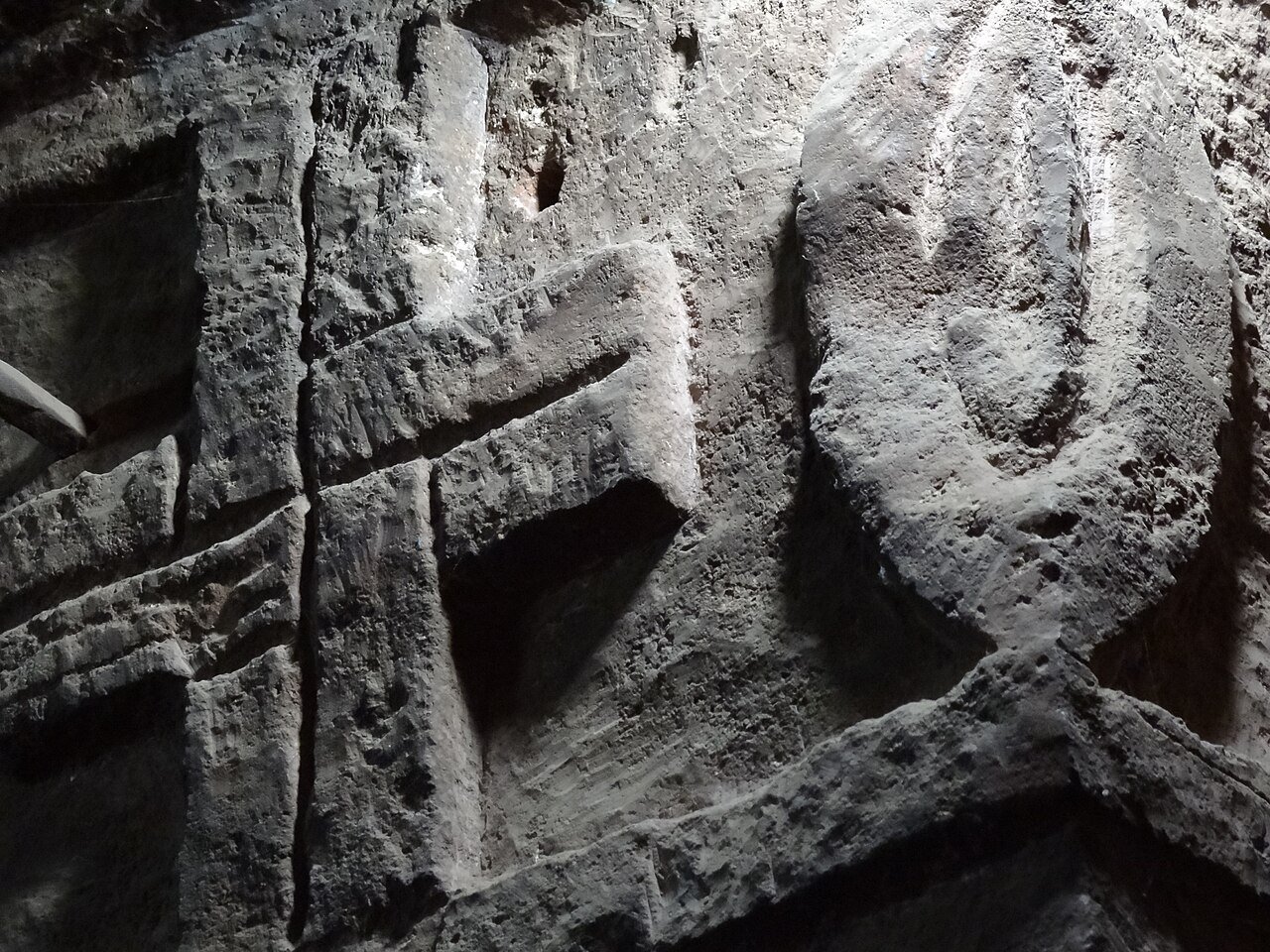
Ethiopian rock art, found in caves and shelters across the country, includes paintings and engravings thousands of years old, depicting cattle, people and symbols. These ancient works connect modern Ethiopia to its deep past, showing early artistic expression long before written history. Sites in the east and south preserve remarkable examples. Rock art sites preserve paintings thousands of years old, connecting modern Ethiopia to its ancient past.
Rock art sites are often remote and fragile, so visiting with knowledgeable guides and respecting preservation rules is important. The paintings, in red ochre and other natural pigments, reveal how early communities saw their world. Ancient carvings on stelae, like those at Axum, further show Ethiopia’s long monumental tradition. Rock art sites in Ethiopia are protected heritage, and visitors should never touch the paintings, since oils damage ancient pigments.
Ethiopian Modern Photography Art

Ethiopian modern photography is a growing art form, with photographers documenting urban life, landscapes, fashion and social change in Addis Ababa and beyond. Photography exhibitions and collectives have given Ethiopian photographers international platforms, and their work offers fresh perspectives on a rapidly changing country. Photography in Ethiopia documents urban change, fashion and daily life with fresh, artistic perspectives.
Explore Ethiopian photography through exhibitions, photo books and online platforms, noticing how photographers balance documentary honesty with artistic composition. Portraits, street scenes and landscapes all feature strongly, often with vivid colour and strong geometry. Photography is now an essential chapter in the story of Ethiopian art. Photography collectives in Addis Ababa mentor young photographers, ensuring the next generation of Ethiopian image-makers thrives.
Ethiopian Textile Patterns in Home Decor
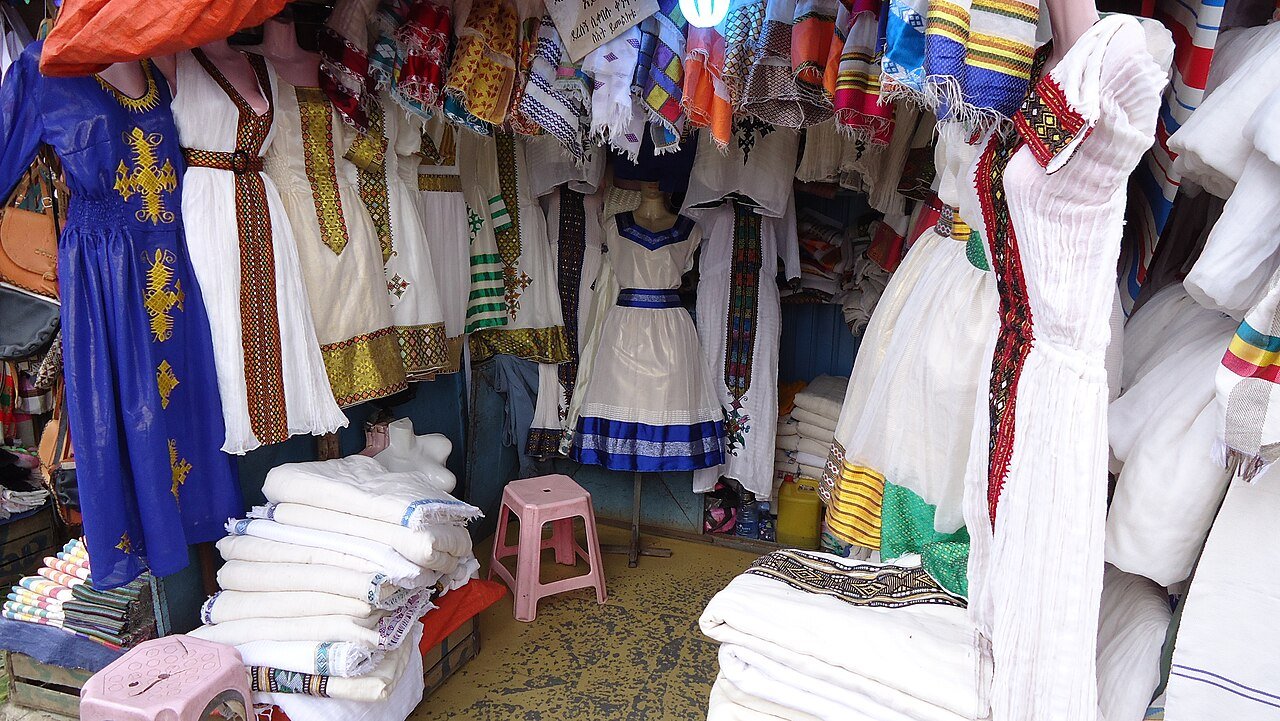
Ethiopian textile patterns translate beautifully into home decor, with tibeb borders and woven motifs appearing on cushions, throws, table runners and wall hangings. These patterns bring warmth, colour and cultural richness to interiors, and they pair well with both neutral and bold colour schemes. A single Ethiopian textile can transform a room. Textile patterns in home decor bring warmth and cultural richness, transforming neutral rooms with colour.
When decorating with Ethiopian textiles, choose authentic handwoven pieces where possible, and let one pattern lead while others support it. A tibeb-bordered throw on a plain sofa, or woven placemats on a wooden table, adds character without overwhelming the space. Ethiopian textiles make decor feel personal, storied and handmade. Handwoven Ethiopian textiles make striking table runners, since their borders add colour without overwhelming a table setting.
Ethiopian Art in Addis Ababa Galleries
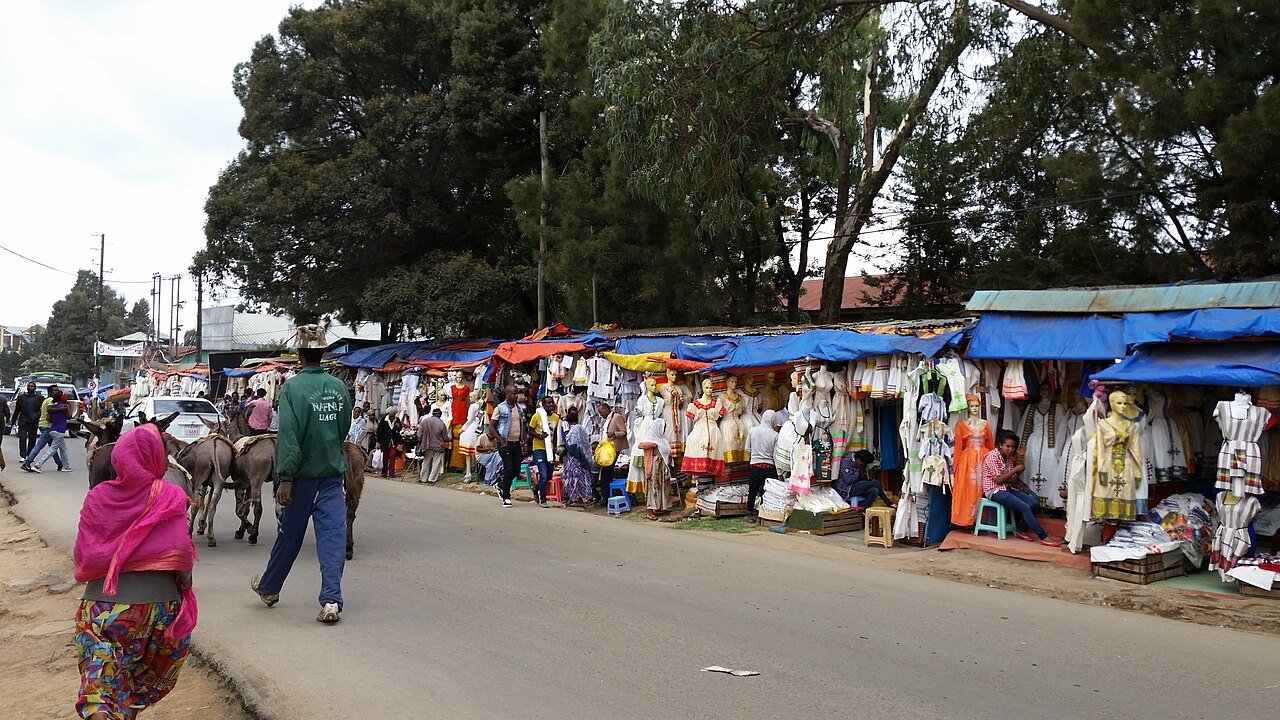
Addis Ababa’s galleries are the heart of Ethiopia’s contemporary art world, showcasing painting, sculpture, photography and mixed media by established and emerging artists. Visiting galleries offers a direct encounter with the country’s creative energy, and many galleries also host talks, openings and workshops for the public. Galleries in Addis Ababa host openings that are lively social events, connecting artists with curious audiences.
Plan a gallery visit by checking current exhibitions in advance, and allow time to talk with gallery staff, who often know the artists personally. Buying from galleries supports artists and the local art economy directly. Addis Ababa’s gallery scene rewards curiosity, revealing new talent alongside celebrated names. Gallery openings in Addis Ababa are lively social events, where artists, collectors and curious visitors mingle and discuss new work.
Ethiopian Music and Dance as Living Art
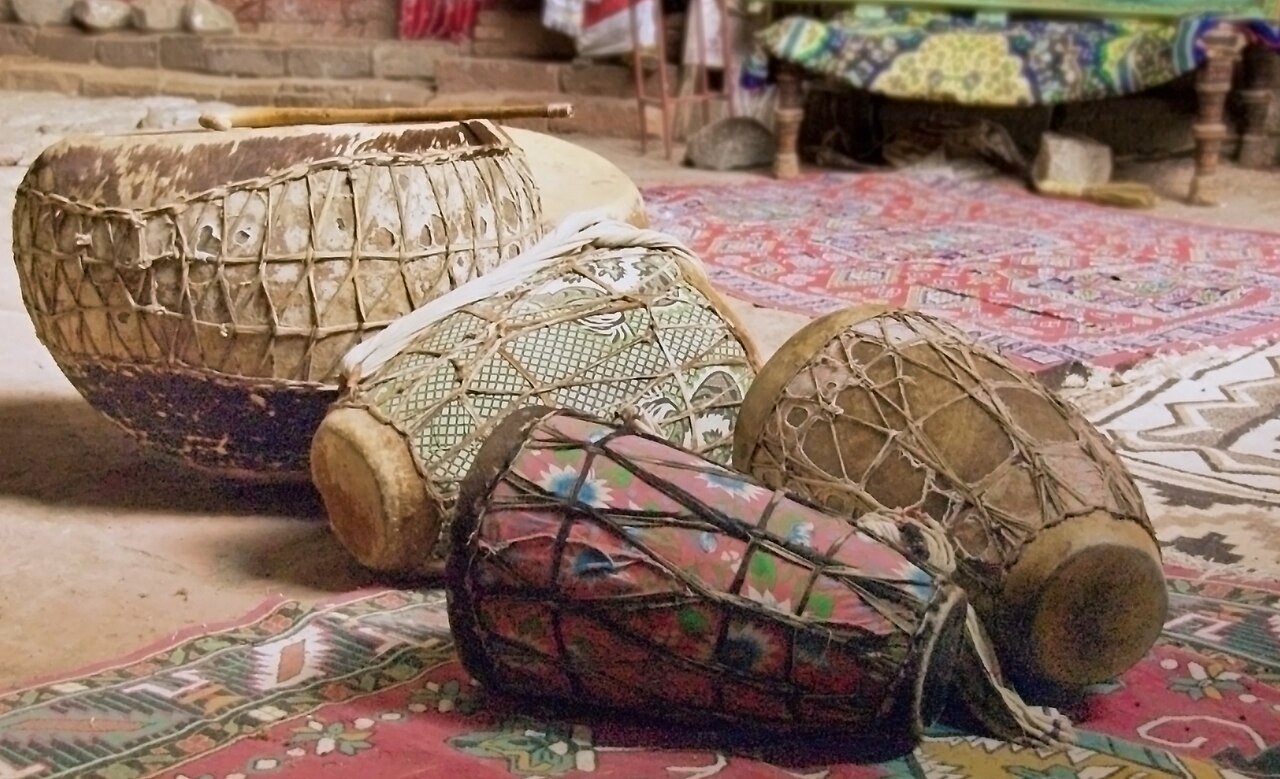
Ethiopian music and dance are living art forms, with distinctive scales, rhythms and movements that vary by region and community. Traditional instruments like the masenqo, krar and kebero drum accompany dances that mark weddings, holidays and religious festivals. These performances are art in motion, passed down through participation. Music and dance like eskista are living art, passed down through participation rather than written notation.
Experiencing Ethiopian music and dance at festivals, cultural centres or performances reveals the artistry of rhythm, costume and movement together. The shoulder movements of eskista dancing, for example, are a refined, expressive technique. Music and dance remind us that Ethiopian art is not only seen but heard and felt. Eskista dancing, with its expressive shoulder movements, is one of Ethiopia’s most distinctive and joyful performance traditions.
Collecting Ethiopian Art

Collecting Ethiopian art is a rewarding pursuit, whether you focus on crosses, textiles, paintings or manuscripts, but it requires care about authenticity and provenance. Buy from reputable galleries, fair-trade sellers and artisan cooperatives, and learn about each piece’s origin, maker and cultural context before purchasing. Good collecting is also good stewardship. Collecting Ethiopian art responsibly means checking provenance and supporting artisans directly whenever possible.
Start small, with pieces you genuinely love and can learn about, and keep records of where each piece came from. Be cautious with very old religious objects, which may have legal or ethical restrictions on sale, and prioritise contemporary artisan work where possible. A thoughtful collection honours Ethiopian culture while supporting its makers. Collectors should always ask about provenance, especially for older religious objects, to ensure ethical and legal ownership.
Displaying Ethiopian Art at Home

Displaying Ethiopian art at home lets you live with its colours and stories daily, whether through a woven wall hanging, a framed print, a cross or a pottery collection. Group pieces thoughtfully, giving bold works space to breathe, and use lighting that enhances colours without damaging delicate materials like textiles and parchment. Displaying Ethiopian art at home with good lighting and protection lets its colours and stories be enjoyed daily.
Protect textiles from direct sunlight, keep pottery away from high-traffic edges, and hang crosses and icons securely at eye level. Label or remember the story of each piece, so guests can appreciate its origins. Displaying Ethiopian art with respect and knowledge turns a home into a small gallery of a remarkable tradition. Framing Ethiopian textiles behind glass protects them from dust and sunlight while allowing their colours to be enjoyed daily.

I am Talha Sikandar, a professional writer with a passion for general blogging. With years of experience in content writing and research, I founded Meaniingly.com to deliver well-researched, informative, and user-friendly articles on diverse topics.