Fall camping ideas
Summer gets the glory, but experienced campers know the secret: fall is the finest season to sleep outside. The crowds thin, the bugs vanish, the air turns crisp and clean, and entire forests ignite in red and gold. Fall camping trades sunscreen and sweat for flannel, campfires, and hot coffee in cold mornings — and with the right preparation, it is more comfortable than any summer trip. This guide covers everything that makes autumn camping special: choosing the perfect fall campsite, gearing up for cold nights, cooking cozy campfire meals, timing peak foliage, and staying warm, dry, and safe.
Why Fall Is the Best Season to Camp
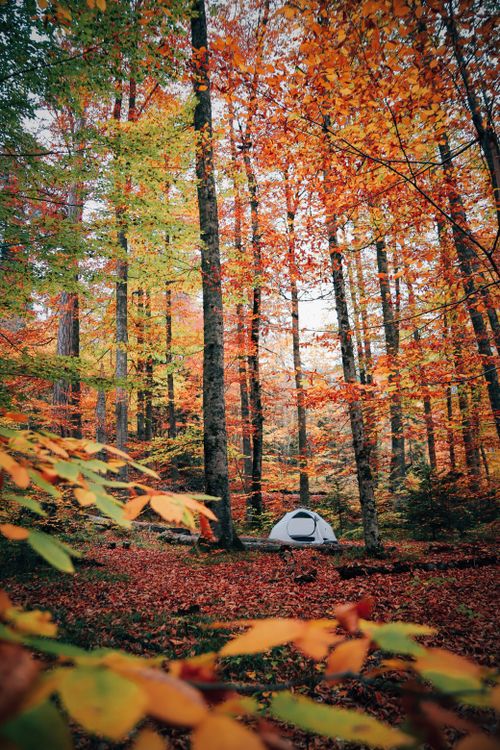
Ask serious campers for their favorite season and fall wins by a landslide. The reasons stack up fast: campgrounds that were packed in July sit half-empty in October, so you get better sites without reservations made months ahead. Mosquitoes, ticks, and flies — the summer miseries — largely disappear with the first cold nights. Daytime temperatures in the 10-20°C (50-70°F) range are ideal for hiking: no heat exhaustion, no drenching sweat, just crisp air that makes you want to keep walking. Nights are cold enough for a campfire to feel essential rather than decorative, and campfire season is really what fall camping is about.
Choosing the Perfect Fall Campsite
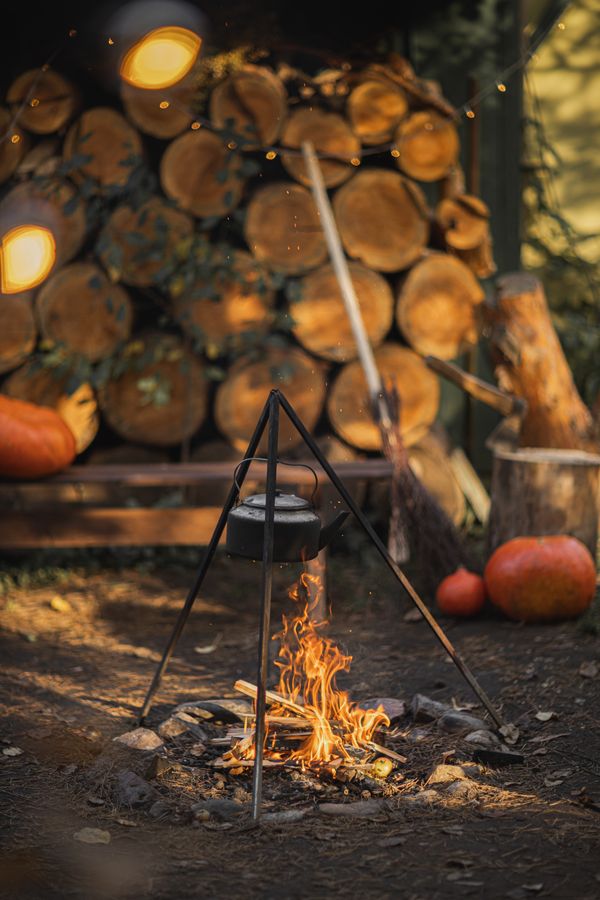
Fall campsite selection has its own logic. Prioritize deciduous forest areas for foliage — state parks and national forests in maple, oak, aspen, or birch country deliver the color. Check the foliage forecast for your region (fall color trackers predict peak weeks) and book accordingly, since peak weekends fill fast even in fall. Look for sites with morning sun exposure: an east-facing site warms up fast on frosty mornings, which matters enormously when you are crawling out of a cold tent. Avoid low-lying spots near water where cold air pools and frost hits hardest — a site slightly uphill stays several degrees warmer overnight. Wind protection matters more in fall; a site sheltered by trees or a ridge keeps your camp comfortable and your fire manageable. And confirm the campground is actually open — many close after Labor Day or Columbus Day, while others switch to first-come, first-served. A quick call beats a wasted drive.
The Fall Camping Gear Checklist
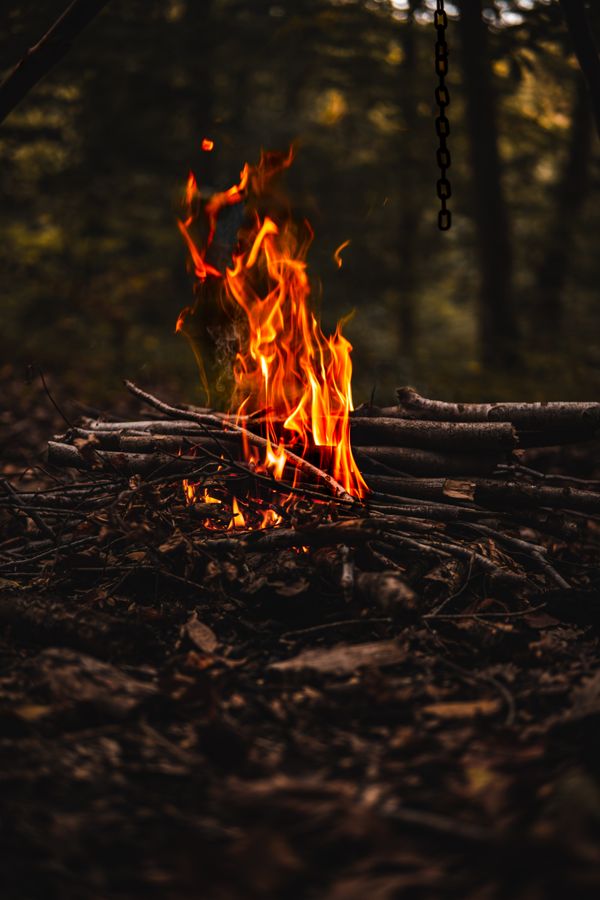
Fall camping demands more gear than summer, but nothing exotic. The non-negotiables: a three-season tent in good condition (check seams and zippers before you go), a sleeping bag rated at least 5°C (10°F) below the expected low, and an insulated sleeping pad — the pad matters as much as the bag, since the ground steals heat all night. Pack a warm base layer, insulating mid-layer, and a windproof outer layer, plus a warm hat and thick socks reserved for sleeping. Bring twice the fire-starting supplies you think you need: dry firewood can be scarce in damp fall woods, so pack fire starters, a hatchet for splitting, and a waterproof match case. A headlamp with fresh batteries is essential with shorter days. Add a camp chair with insulation or a blanket (cold metal and nylon sap warmth fast), a thermos for hot drinks, and a tarp for rain protection. The rule: there is no bad fall weather, only underpacked campers.
Staying Warm: Sleep Systems for Cold Nights
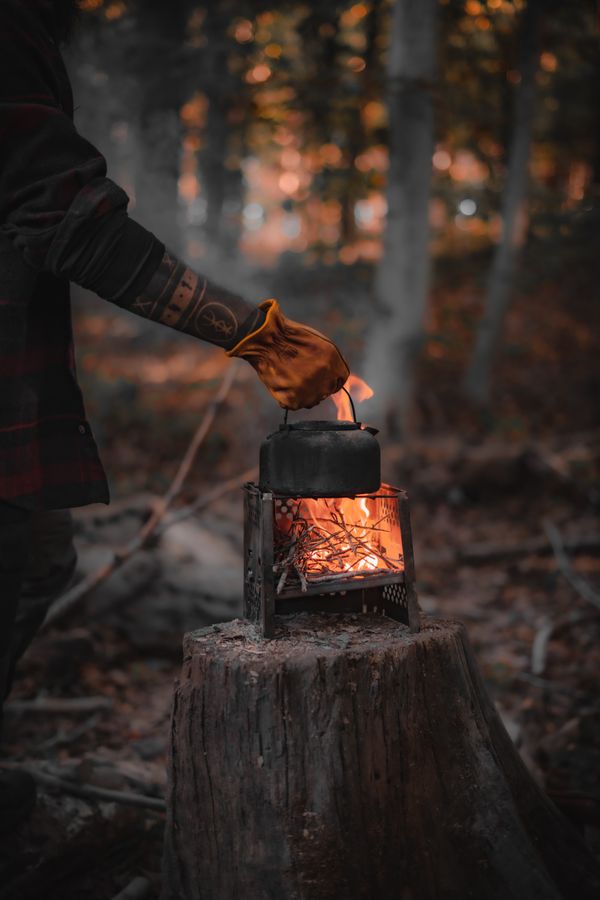
Nighttime is where fall camping is won or lost. Your sleep system has three parts: bag, pad, and clothing. Choose a bag rated below the expected low — if nights hit 2°C (35°F), bring a -7°C (20°F) bag; ratings assume a warm sleeper in base layers. Mummy bags are warmer than rectangular ones; down is warmer for its weight than synthetic but fails when damp, so use a waterproof stuff sack. Your sleeping pad needs an R-value of 4 or higher for fall — that inflatable summer pad with an R-value of 2 will leave you cold from below no matter how good your bag is. Sleep in dry base layers, thick socks, and a warm hat; never sleep in the clothes you wore all day, since body moisture in fabric chills you overnight. A hot water bottle (a sturdy bottle filled at bedtime) in the foot of your bag is wonderfully effective. And eat a warm, fatty snack before bed — digestion generates heat while you sleep.
Layering Clothes for Crisp Fall Weather
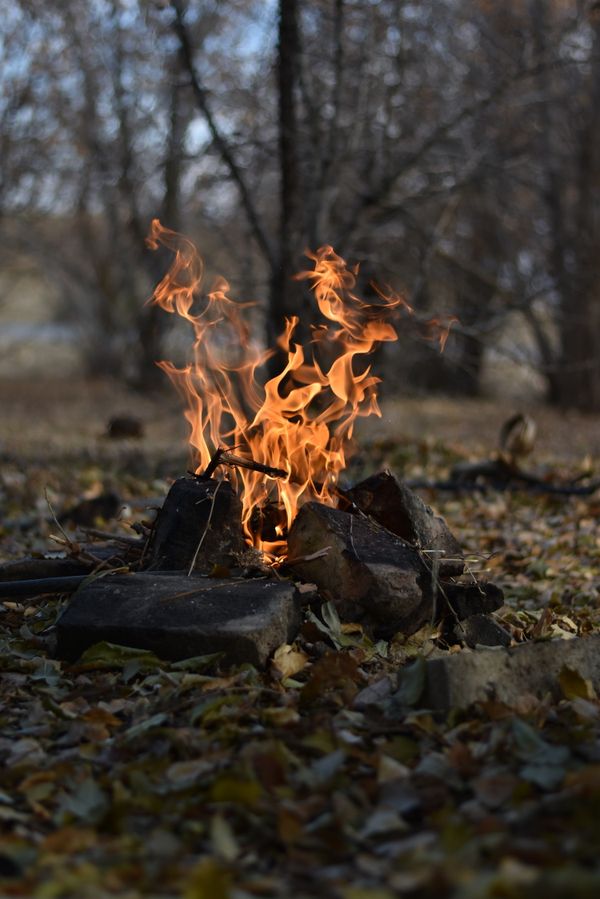
Fall days swing 15 degrees or more between dawn and afternoon, so layering is not optional. Start with a moisture-wicking base layer (merino wool or synthetic — never cotton, which holds sweat and chills you). Add an insulating mid-layer: fleece or a puffy jacket that you can add or remove as temperatures change. Top with a windproof and water-resistant shell, because fall weather turns fast. Legs: hiking pants over thermal leggings handle most conditions; bring rain pants if the forecast is iffy. Extremities lose heat fastest — pack a warm beanie, gloves (plus backup mittens for truly cold nights), and wool socks with a dry spare pair sealed in a bag. The system works by adding and removing layers before you sweat or chill — anticipate, do not react. Strip a layer before a steep climb; add one the moment you stop moving. Campers who master this stay comfortable all day while others alternate between sweating and shivering.
Campfire Cooking: Fall Recipes to Try
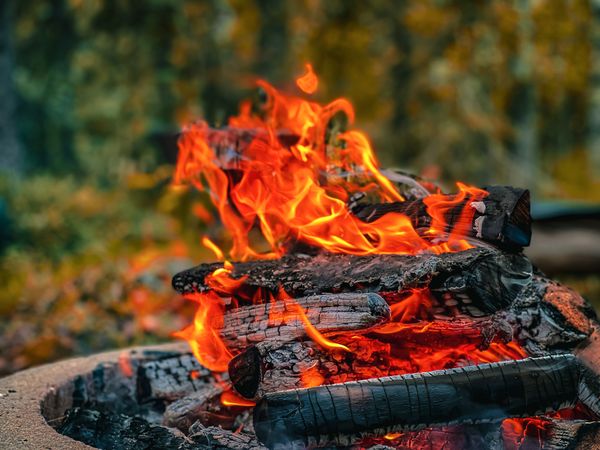
Fall ingredients and campfire cooking are a natural pairing. Start the day with campfire apple crisp: sliced apples, butter, oats, brown sugar, and cinnamon in a foil packet or Dutch oven, cooked in coals for 25 minutes. For dinner, Dutch oven chili is the quintessential fall camp meal — brown meat and onions, add beans, tomatoes, and chili powder, and let it bubble over coals for an hour while you relax. Foil-packet sausage with peppers, onions, and potatoes needs ten minutes of prep and 30 minutes in coals. Roasted squash halves filled with butter, maple syrup, and pecans cook directly in the fire’s edge. And do not skip dessert: banana boats (bananas slit and stuffed with chocolate and marshmallows, wrapped in foil) or classic s’mores with a fall twist — try them with peanut butter cups or caramel-filled chocolates.
One-Pot Fall Camping Meals
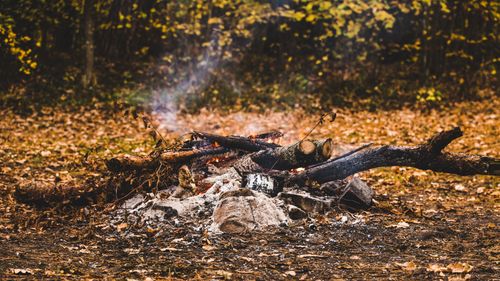
One-pot meals minimize dishes — critical when washing up in cold water at a spigot. Beyond chili, try a hearty campfire stew: beef or mushrooms, root vegetables, and barley simmered in a Dutch oven for 90 minutes until everything surrenders into richness. Campfire jambalaya (sausage, rice, peppers, Cajun seasoning) cooks in 30 minutes in a deep skillet with a lid. For breakfast, a mountain-man skillet — hash browns, eggs, sausage, cheese, all in one pan — feeds a crowd with one dish to wash. Ramen gets a fall upgrade with miso paste, bok choy, mushrooms, and a soft egg. The technique for all of these: manage your coals, not your flames — rake coals under the pot for steady heat, and rotate the pot every 15 minutes for even cooking. Bring a lid for everything; it halves cooking time and keeps ash out. One pot, one lid, one spoon: the fall camper’s kitchen.
Hot Drinks for Chilly Mornings
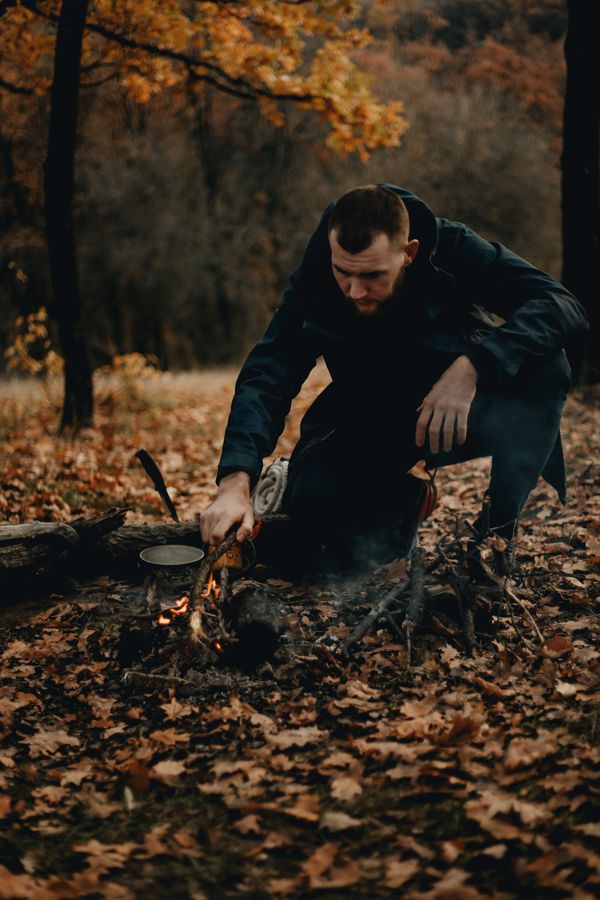
The first hot drink of a cold camping morning is a small sacrament — plan for it properly. Coffee: a pour-over setup or French press works beautifully at camp; pre-grind your beans at home and store airtight. For groups, a percolator over the fire makes plenty and feels appropriately rustic. Non-coffee drinkers deserve better than an afterthought: pack real hot chocolate (cocoa, sugar, and powdered milk pre-mixed in a jar — just add hot water), spiced apple cider packets, and a good herbal tea selection. A thermos filled the night before means hot water is ready before the fire is going — fill it with boiling water at bedtime and it will still be hot at dawn. For an extra-warming start, add a cinnamon stick to coffee or a slice of fresh ginger to tea. Keep mugs where you can find them half-asleep, and designate a morning drink maker the night before. Civilization can wait; caffeine cannot.
Leaf-Peeping: Timing Peak Foliage
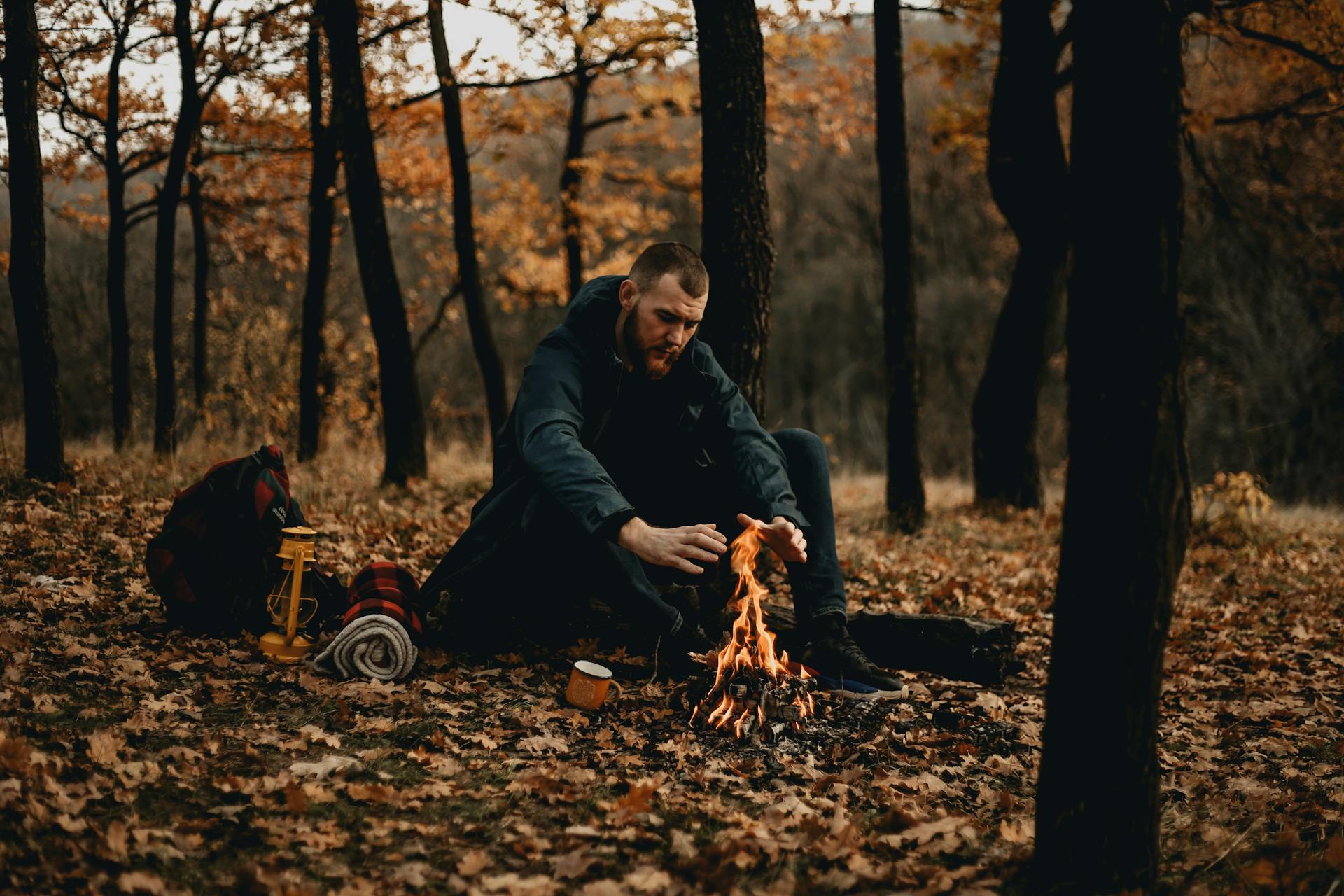
Peak foliage lasts about a week in any given spot, so timing is everything. Color moves from north to south and from high elevation to low — northern areas and mountaintops peak first, valleys and southern regions weeks later. Start watching foliage trackers and webcams in early September; most regions publish weekly color reports. The science: cool (not freezing) nights and sunny days produce the brightest reds and oranges, while drought dulls colors and early hard frosts can strip leaves overnight. Plan your trip for the predicted peak weekend but have a backup weekend — a windstorm can end peak in a day. For photography and hiking, overcast days actually show colors best (no harsh shadows), while sunny days are better for the overall experience. And remember that “past peak” still offers gorgeous late color in oaks and beeches after the maples drop. Flexibility beats precision when chasing color.
Fall Hiking Trails Worth the Trip
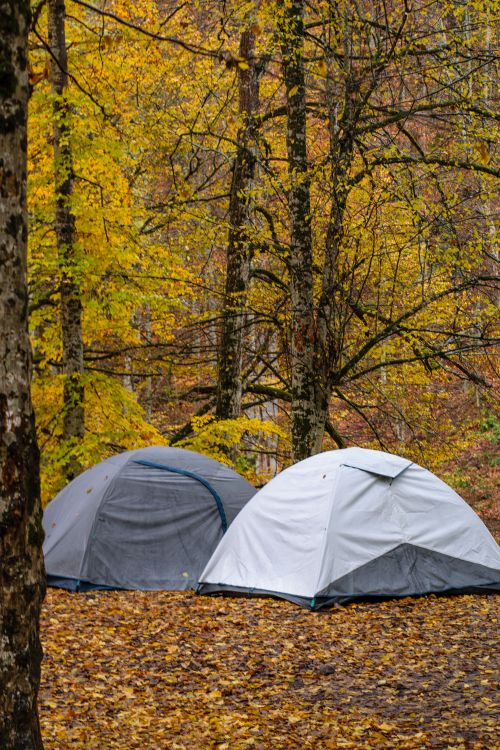
Fall hiking has distinct pleasures — and distinct hazards. Choose trails with elevation gain for the best color views; ridgelines and overlooks concentrate the visual payoff. Trails along water (lakes, rivers) double the color with reflections. Go early: fall trailheads fill by mid-morning on peak weekends, and afternoon light fades fast. Specific hazards to respect: wet leaves on rocks and boardwalks are treacherously slippery — wear boots with real tread and use trekking poles on descents. Shorter days mean carrying a headlamp always, even for “short” hikes; a delayed return in October darkness is no joke. Hunting season overlaps with fall hiking in many areas — wear blaze orange and check local regulations. And carry more water than summer instincts suggest; cool air suppresses thirst but you still dehydrate. The reward for these precautions: empty trails, crisp air, and forests that look like they are on fire.
Campfire Games and Cozy Evening Activities
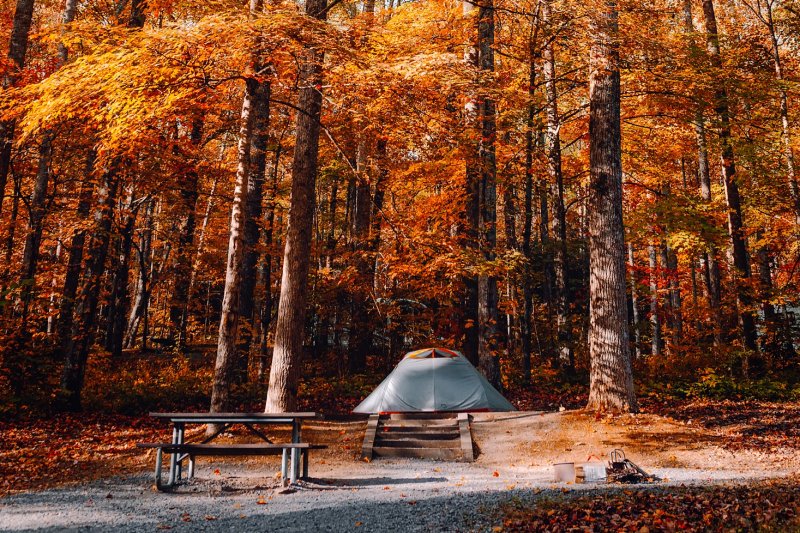
Long fall evenings around the fire are the soul of autumn camping — fill them well. Classic campfire games: Two Truths and a Lie, the camping version of charades, storytelling rounds where each person adds a sentence (spooky stories hit different in October woods). Card games designed for travel (compact, few pieces) survive the outdoors; leave the 500-piece board games home. Stargazing needs no equipment — download a constellation app before you lose signal and take turns finding constellations. For the crafty, bring whittling wood and a sharp knife, or a harmonica for fireside music. Night photography is spectacular in fall’s clear air: a tripod and a long exposure capture stars over your tent. And sometimes the best activity is none at all — staring into a fire with good company, saying little, is a legitimate and underrated evening plan. Protect the quiet too.
Stargazing on Clear Autumn Nights
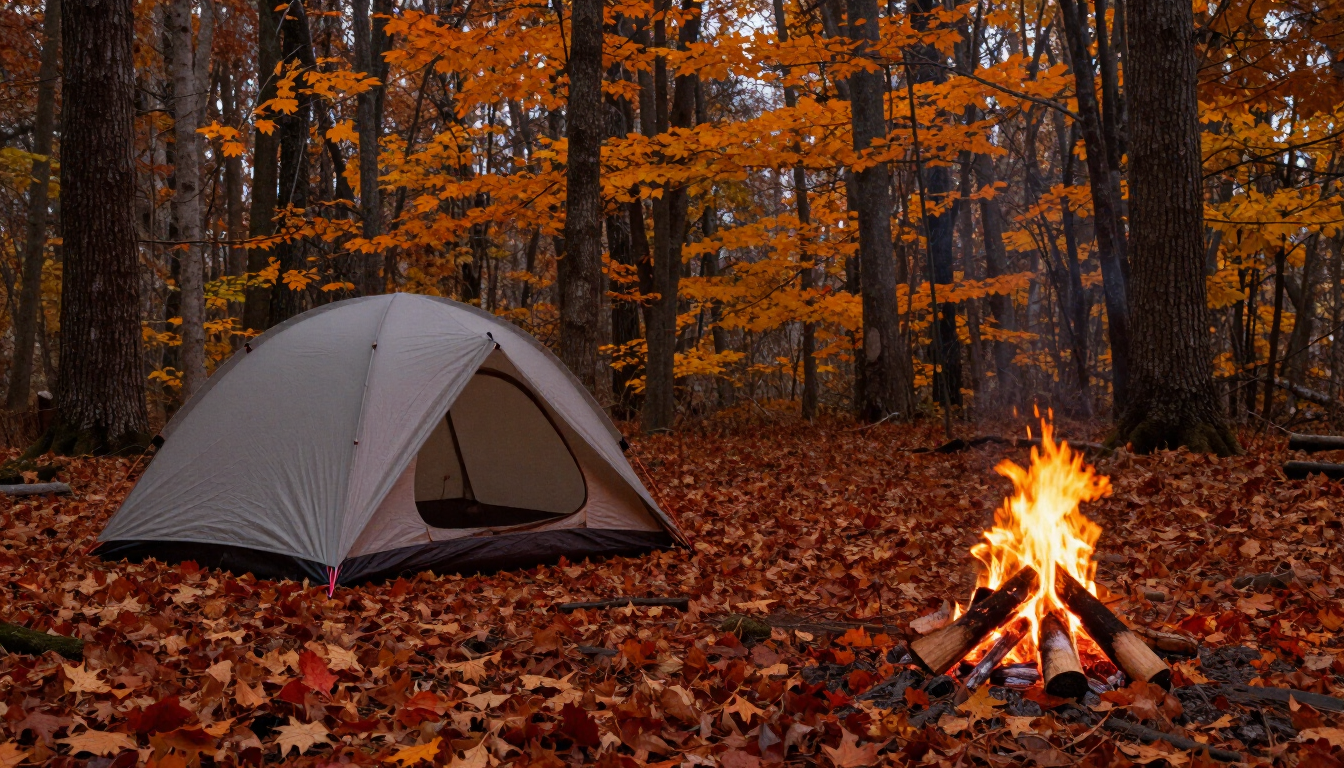
Fall offers the year’s best stargazing: cold air holds less moisture, skies are clearer, and long nights give you hours of darkness. The Milky Way’s core is best in early fall; by late October, winter constellations like Orion dominate. New moon weekends are ideal — check the lunar calendar when planning. For the best experience, get away from camp lights for 20 minutes to let your eyes fully adapt (it takes that long), bring a reclining chair or blanket so your neck survives, and dress warmer than you think necessary — lying still under a cold sky chills you fast. A red-light headlamp preserves night vision while you consult star charts. If you are lucky enough to camp during a meteor shower (the Orionids peak in late October), you are in for a show — no equipment needed, just patience and a dark sky. Fall’s crisp, transparent nights remind you what the sky is supposed to look like.
Fall Camping With Kids

Kids and fall camping are a perfect match — if you plan for their needs. Warmth is the priority: children lose heat faster than adults, so pack extra layers, warm pajamas, and a sleeping bag rated for colder than you expect (or zip two bags together for small kids). Keep them fed and warm with frequent hot drinks and snacks; a cold, hungry child is a miserable camper. Leaf-related activities are free entertainment: leaf collecting and identifying, leaf-rubbing art, building the biggest leaf pile (then jumping in it). Give kids camp jobs — gathering kindling (sticks, not logs), holding the flashlight, “guarding” the food — since responsibility keeps them engaged. Bring headlamps for everyone; kids love having their own light. Manage expectations about darkness: it gets dark early, so plan evening activities rather than expecting kids to sit quietly.
Fall Camping With Dogs

Dogs love fall camping — cool weather suits them — but autumn has specific dog hazards. Acorns and wild mushrooms can be toxic; supervise foraging-prone dogs, especially in oak woods. Ticks are still active in fall in many regions, so maintain tick prevention and check your dog daily. Cold nights affect short-haired and small dogs most — bring a dog sleeping pad or blanket, and consider a dog jacket for chilly evenings. Keep dogs leashed where required (many parks mandate it) and be extra vigilant during hunting season. Pack more food than usual: cold weather and active days burn calories fast. Bring a towel dedicated to muddy paws — fall trails are muddy trails. And confirm the campground allows dogs before you go; policies vary widely.
Photography Tips for Fall Colors

Fall color photography rewards a few simple techniques. Shoot in the soft light of early morning or late afternoon — harsh midday sun washes out reds and yellows. Overcast days are actually ideal: clouds act as a giant softbox, saturating colors and eliminating harsh shadows. Get low and shoot up through backlit leaves for glowing translucency, or find water for reflections that double the color. A polarizing filter (or your phone’s “vivid” mode used sparingly) deepens the sky and makes foliage pop. Include a human, tent, or trail element for scale — endless trees without reference feel flat. For phone photographers: tap to focus on the brightest leaves, drag exposure down slightly to enrich color, and shoot in the highest resolution. And take the classic tent-among-colors shot at dawn when mist hangs in the trees — it is the fall camping photo everyone wants, and it takes thirty seconds to set up.
Keeping Gear Dry in Fall Rain

Fall rain is colder and more persistent than summer storms — staying dry requires intention. Pack everything in dry sacks or trash-compactor bags inside your pack, not just relying on a rain cover (which fails in wind). Set up a large tarp over your cooking and gathering area first, before the tent — a dry communal space saves trips. In the tent, keep gear away from walls (condensation transfers), ventilate even in rain (crack a vent to reduce interior condensation), and never bring wet boots inside. A pack towel dries gear and doubles as a doormat. For clothing, the shell layer earns its keep now; cotton kills in cold rain, so verify everyone is in synthetics or wool. If everything gets soaked despite your efforts, the fastest recovery is a warm vehicle with the heat blasting — know where your nearest bailout option is. Wet and cold is miserable; wet, cold, and unprepared is dangerous.
Campfire Safety During Dry Fall Conditions
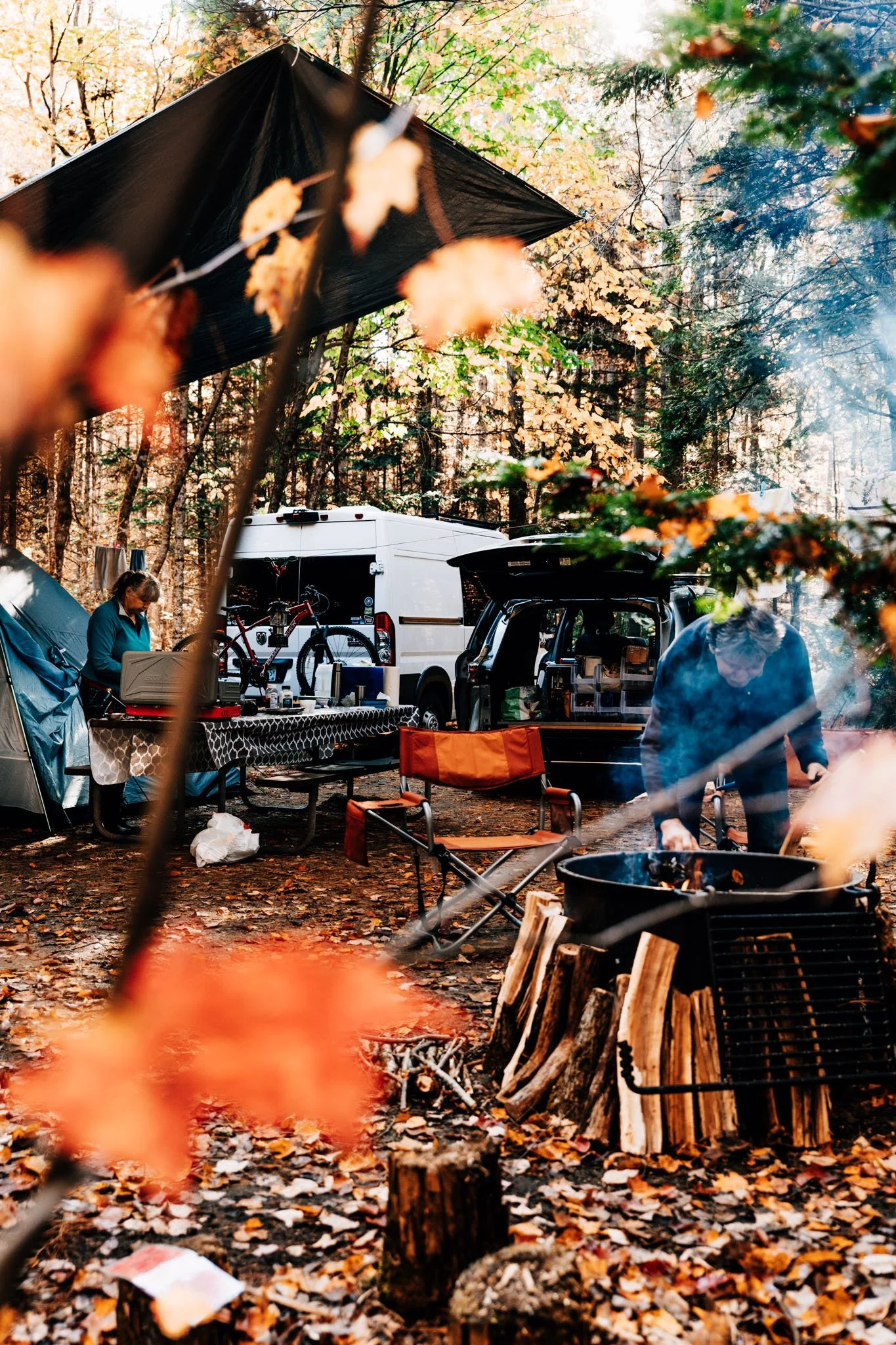
Fall’s beauty comes with fire danger: dry leaves, low humidity, and wind make autumn a prime wildfire season. Always check for burn bans and fire restrictions before you go — they are common in fall and legally binding. Use established fire rings only; never build a new fire on leaf litter. Clear a wide perimeter down to bare dirt, keep the fire small (knee-height flames maximum), and never leave it unattended — not even for “just a minute.” Keep a full bucket of water and a shovel within arm’s reach. Beech and oak leaves are especially flammable ground fuel; be aware of what is underfoot. Fully extinguish every fire: drown it, stir the ashes, drown it again, and check for heat with the back of your hand — a fire is not out until it is cold. If conditions are very dry and windy, skip the campfire entirely and use a camp stove. No campfire is worth a wildfire.
Leave No Trace in Autumn

Fall’s fragile conditions make Leave No Trace especially important. Leaf litter looks like a soft campsite but compacts into mud under tents — use established tent pads and durable surfaces. Pack out everything, including food scraps that “biodegrade” — apple cores and peanut shells persist for months in cold weather and habituate wildlife. Wash dishes 60 meters from water sources, scattering strained dishwater broadly. Respect wildlife preparing for winter: store food in bear boxes or hang it properly, never feed animals, and observe from a distance — fall is hyperphagia season for bears, and they are focused on calories. Leave natural objects where you find them; that perfect pinecone is someone’s winter food cache. Break down your fire ring’s ashes, scatter cold ashes widely, and naturalize the site. The goal: when you leave, the next camper — or the forest itself — should never know you were there.
Packing Up: Post-Trip Gear Care
How you store gear after a fall trip determines its condition next spring. Air everything out completely before storing — set up the tent at home for a day to dry fully, since packing a damp tent grows mildew over winter. Clean the sleeping bag according to its instructions (down needs special detergent; synthetic is more forgiving) and store it loose in a large cotton sack, never compressed. Empty and clean the cooler, stove, and water containers; check fuel levels and restock. Inspect for damage while it is fresh: patch tent holes, re-waterproof the rainfly if water no longer beads, replace worn guylines. Store everything in a cool, dry place — not a damp garage or a hot attic. Make a restock list now: what ran out, what broke, what you wished you had. Future you, planning next fall’s trip, will open a clean, complete, ready-to-go kit instead of a box of mysteries. End the season right.
FAQs About Fall Camping

How cold is too cold for fall camping? With proper gear (a bag rated below the expected low, an insulated pad, warm layers), experienced campers go well below freezing. For beginners, nights above 0°C (32°F) are a comfortable starting point.
Do I need a special tent for fall? No — a quality three-season tent handles fall fine. The critical upgrades are your sleeping bag rating and pad R-value, not the tent itself.
When is peak foliage? It varies by region and elevation, moving north-to-south and high-to-low. Check regional foliage trackers starting in early September; peak typically lasts about a week per area.
Can I have a campfire in fall? Usually yes, but always check for burn bans and fire restrictions first — fall is wildfire season in many areas. Use established rings, keep fires small, and extinguish completely.
What should I do about shorter days? Plan to arrive with plenty of daylight for setup, carry headlamps always, and embrace the long evenings — they are what campfires are for.

I am Talha Sikandar, a professional writer with a passion for general blogging. With years of experience in content writing and research, I founded Meaniingly.com to deliver well-researched, informative, and user-friendly articles on diverse topics.