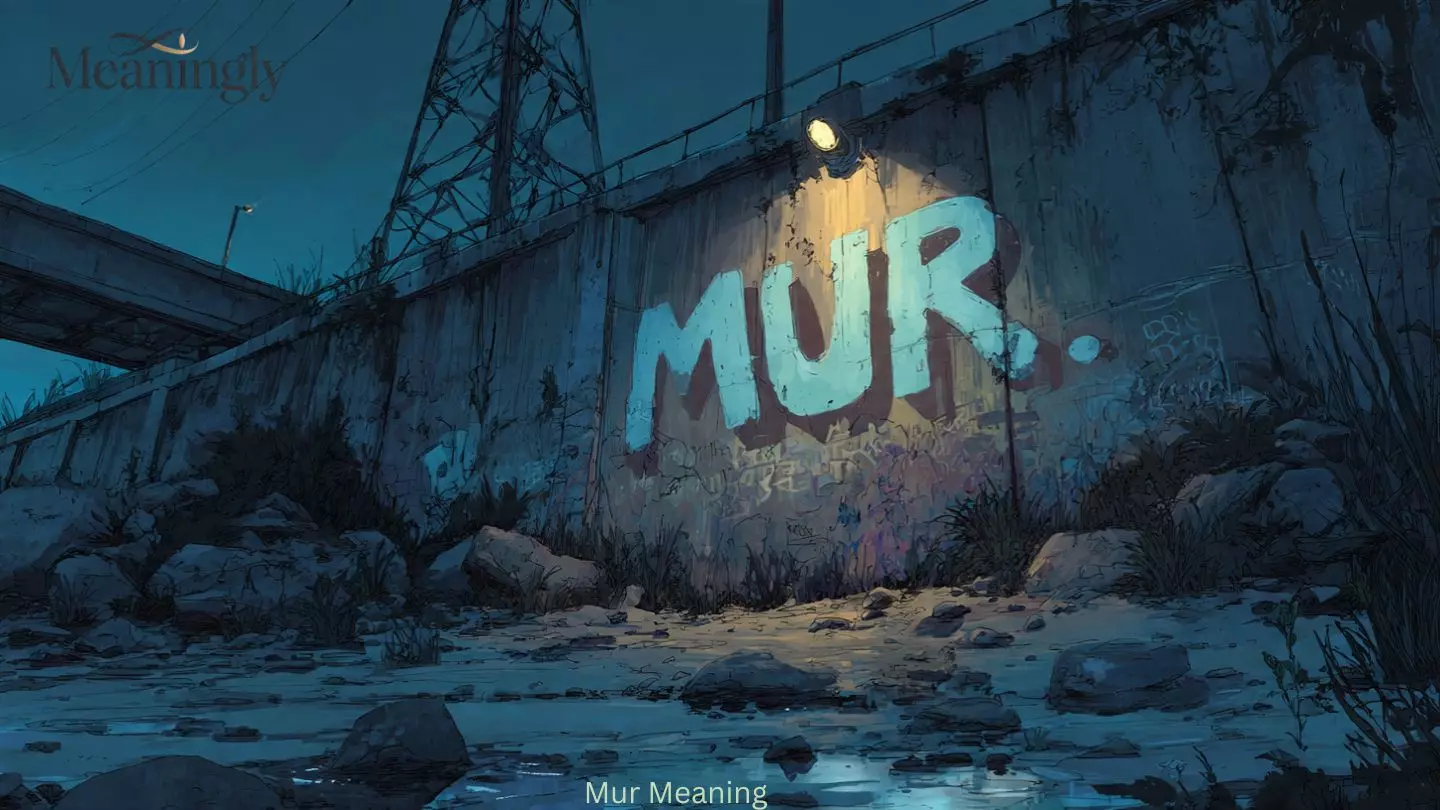
Mur meaning refers to a wall or barrier in many European languages and a nut fastener in Indonesian. The word is commonly used in French Norwegian and Swedish to describe physical or metaphorical walls and appears in literature daily speech and name origins. Understanding mur meaning helps you use it correctly in language construction design and cultural contexts.
Definition of Mur
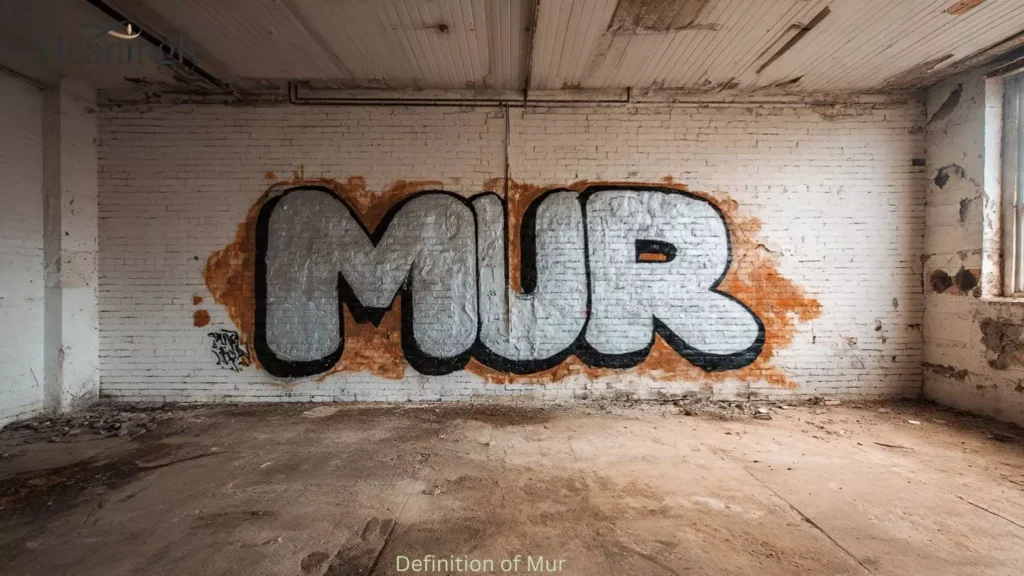
Mur is a word that generally means wall or barrier in several languages. In some contexts it can also refer to a nut fastener or appear as a personal name.
Origin and Etymology of Mur
Mur comes from the Latin word mūrus meaning wall. This Latin origin spread to many European languages such as French Swedish Norwegian and Polish where it retains the meaning of wall or barrier.
Mur Meaning in Different Languages
Mur Meaning in English
In English mur is often borrowed from French or Latin meaning a wall or solid barrier. It can also be used figuratively to describe an obstacle.
Mur Meaning in Indonesian
In Indonesian mur is a noun that means a nut used with bolts and screws. The word comes from Dutch moer.
Mur Meaning in Urdu
In Urdu mur is used less frequently as a loan word meaning wall. Its pronunciation and usage are similar to the French mur.
Mur as a Word Type
Mur as a Noun
Mur is primarily a noun in most languages referring to a wall, barrier, or nut.
Mur as a Verb
Mur does not have a standard verb form in major dictionaries. In some minor languages it can appear as a verb in specific contexts.
Mur as a Symbol
Mur can appear as a symbol in ancient writing systems such as cuneiform where it represents specific phonetic values.
Mur Meaning as Wall
Mur in French Language
In French mur means wall. It is used for physical walls and figuratively for barriers or obstacles in life.
Mur Used as Wall in English
English uses mur in borrowed phrases or literary contexts to refer to walls or obstructions.
Mur Related Words
Murmur Meaning
Murmur is a separate word derived from Latin meaning a soft continuous sound. It is related in sound but not in meaning to mur.
Mure Meaning
Mure can mean enclosed or walled and shares a root with mur in Latin contexts.
Common Uses of Mur
Mur in Daily Language
Mur is used in everyday speech in French and Scandinavian languages to refer to walls. In Indonesian it is used in construction for bolts and nuts.
Mur in Literature
In literature mur is used to describe walls literally and metaphorically as barriers or obstacles.
Mur in Names
Mur Name Meaning
As a personal name Mur can appear in some cultures. Some sources suggest meanings related to sea or ocean but these are not universally verified.
Cultural Meaning of Mur
Mur as a surname or place name appears in several European regions and may reflect historical settlements or geographical features.
Examples of Mur in Sentences
• The castle had a high mur surrounding it
• She tightened the mur on the bolt to secure the frame
• The French poet wrote about an invisible mur between lovers
Frequently Asked Questions
What does mur mean in English
Mur means wall or barrier in European languages and can also refer to a nut fastener in Indonesian
How is mur used in French
In French mur is commonly used to describe physical walls or figurative obstacles in everyday speech
What is the origin of the word mur
Mur comes from Latin mūrus meaning wall and spread into French, Norwegian, Swedish, and other European languages
Can mur be a personal name
Yes, Mur can be used as a first or last name, sometimes linked to cultural or geographic origins
How do you use mur in a sentence
You can say, The castle had a high mur around it or Tighten the mur on the bolt
Is mur used in literature
Yes, authors often use mur to describe walls literally or metaphorically as barriers or challenges
What language does mur come from
Mur comes from Latin in European languages and from Dutch moer in Indonesian for the nut meaning
Conclusion
Mur is a versatile word that mainly means wall or barrier in European languages and a nut fastener in Indonesian. It is used in daily speech, literature, and names, making it important to understand the correct context for clear communication.

Anna Alesa is an experienced content writer with over 4 years of expertise in creating high-quality articles for meaning-based websites.