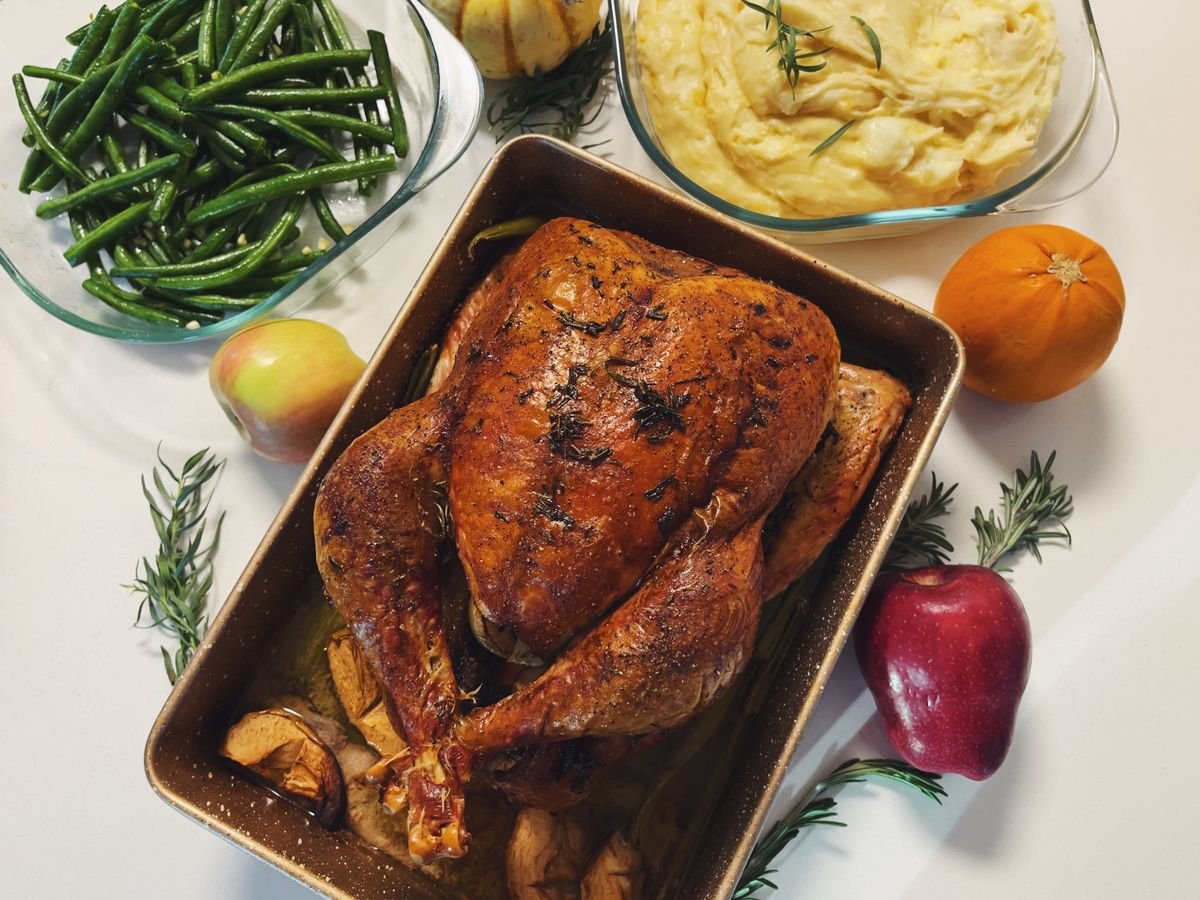
Thanksgiving recipes side dishes ideas
Thanksgiving side dishes are often the true stars of the holiday table, with guests remembering the creamy potatoes, savoury stuffing and roasted vegetables long after the turkey is gone. A great spread balances rich comfort foods with fresh, bright flavours, so every plate feels generous without being overwhelming. Planning sides well makes the whole meal easier and more joyful.
This guide shares twenty Thanksgiving side dishes ideas, from classic mashed potatoes and stuffing to roasted vegetables, fresh salads and make-ahead favourites. Each idea includes simple tips for preparation, timing and serving. Choose a balanced mix for your table, or try one new side alongside your family classics.
Classic Creamy Mashed Potatoes
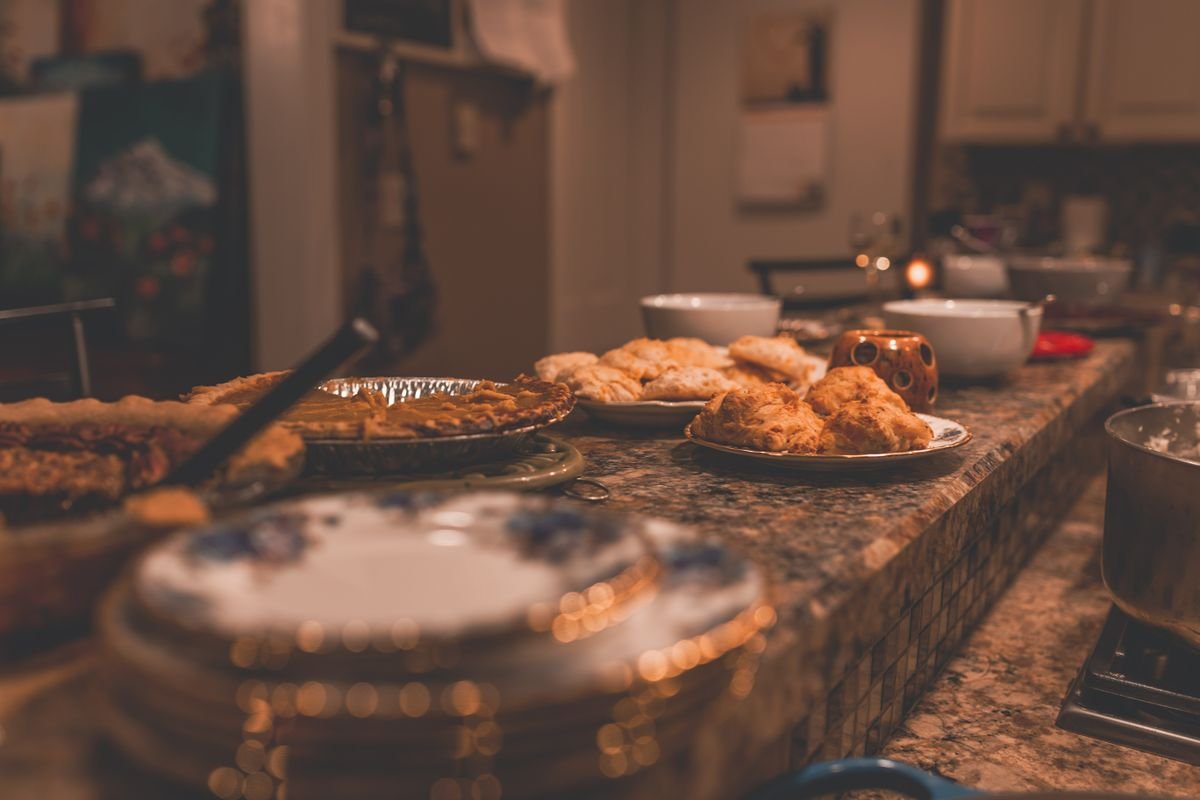
Classic mashed potatoes are non-negotiable for many Thanksgiving tables, creamy, buttery and comforting. Use floury potatoes, boil until tender, then mash with warm milk, butter and a pinch of salt until smooth but not gluey. A potato ricer gives the silkiest texture.
For extra richness, add cream cheese or sour cream, and keep potatoes warm in a slow cooker until serving. Mashed potatoes pair with gravy, turkey and almost every other side. Make them just before serving for the freshest, fluffiest result.
Mashed potatoes should be made with potatoes boiled in salted water, as unsalted potatoes taste flat even with butter. Salt the water generously for flavour.
Mashed potatoes should be kept warm in a slow cooker on low, with a little extra butter on top to prevent a skin forming. Stir before serving for smoothness.
Traditional Bread Stuffing
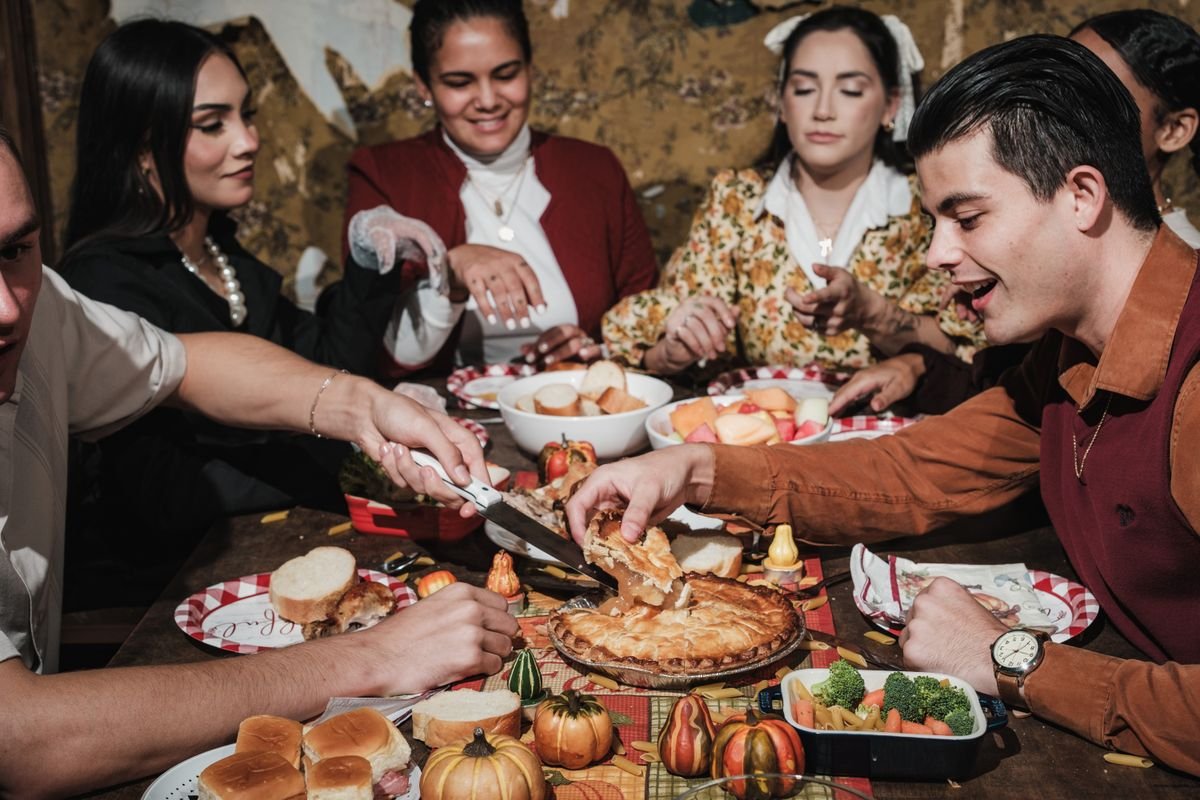
Traditional bread stuffing, cooked separately from the turkey, is safer and easier to get crisp on top and moist inside. Use day-old bread cubes, sauté onion, celery and herbs in butter, then combine with stock and bake until golden. Sage, thyme and parsley give classic flavour.
For variation, add sausage, mushrooms or chestnuts, but keep the base simple so it complements the turkey. Stuffing can be assembled the day before and baked on Thanksgiving Day. A buttery, crisp top is the sign of perfect stuffing.
Stuffing should be baked uncovered for the last fifteen minutes, crisping the top while keeping the inside moist. A covered-only stuffing stays soggy on top.
Stuffing should be moistened with stock gradually, as too much liquid at once makes it soggy. Add stock in splashes, mixing between additions.
Roasted Brussels Sprouts
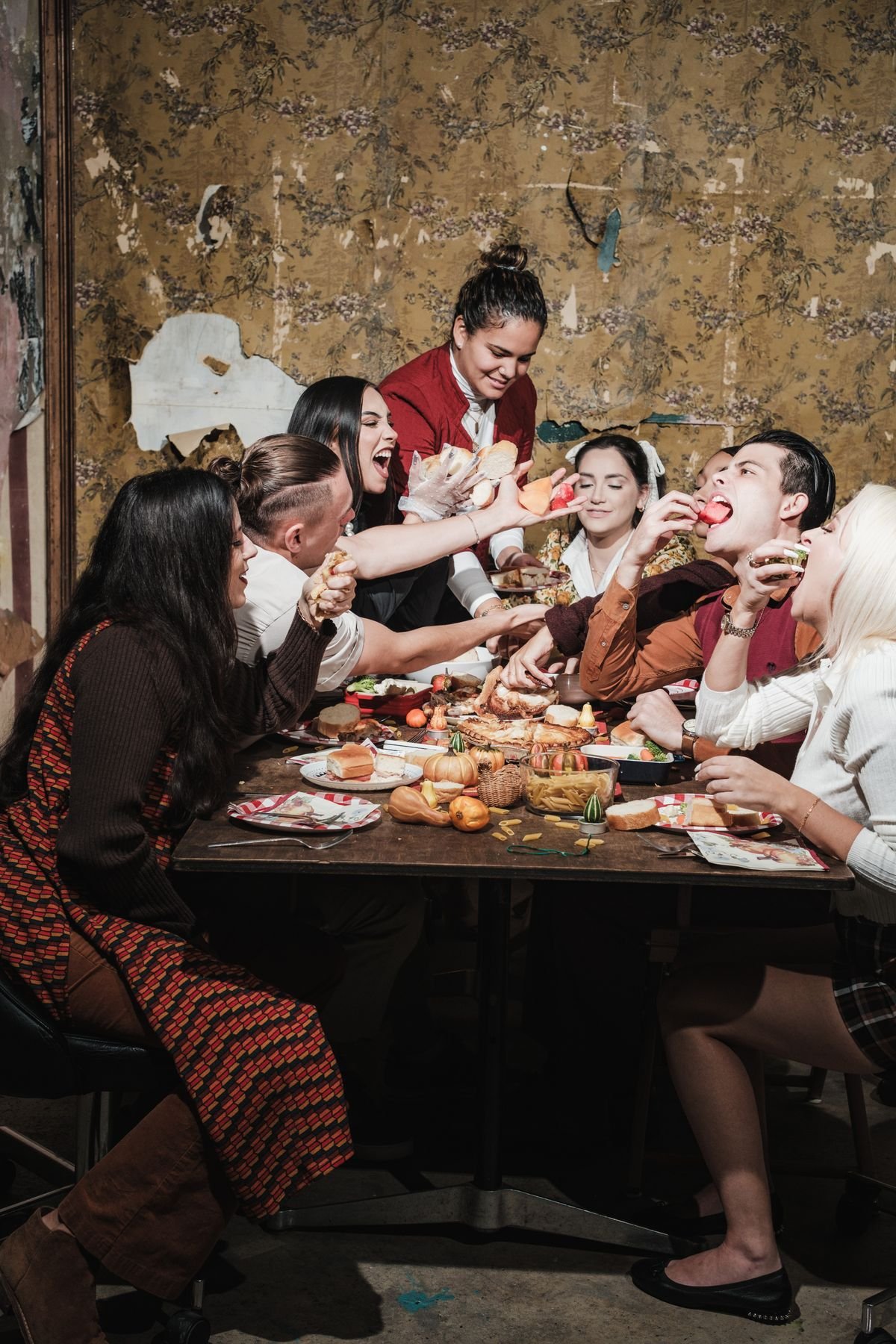
Roasted Brussels sprouts convert even sceptics, with crispy edges and sweet, caramelised centres. Halve sprouts, toss with olive oil and salt, and roast at high heat until browned and tender. A drizzle of balsamic or maple syrup adds festive sweetness.
Add bacon, pancetta or toasted nuts for extra flavour and crunch, or keep them simple for a fresh vegetable side. Roasted sprouts can be prepared ahead and finished in the oven while the turkey rests. They bring colour and balance to a rich table.
Brussels sprouts should be cut side down on the tray, maximising contact with heat for crisping. Flat sides caramelise better than rounded sides.
Brussels sprouts should be seasoned after roasting as well as before, as roasting dulls salt perception. A final pinch of flaky salt brightens flavour.
Sweet Potato Casserole
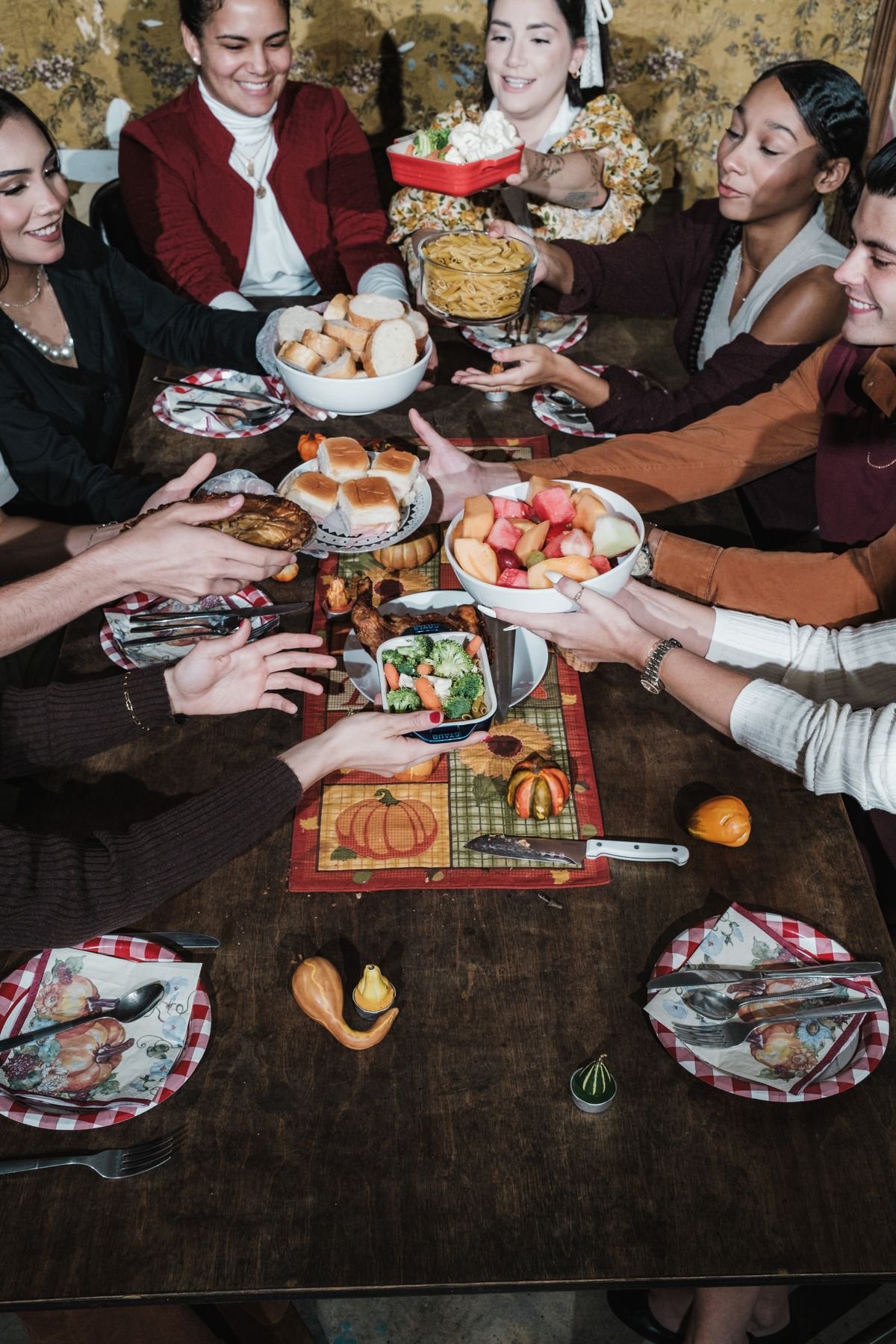
Sweet potato casserole is a beloved Thanksgiving classic, with creamy mashed sweet potatoes topped with either marshmallows or a crunchy pecan streusel. Choose the topping your family loves, and bake until bubbling and golden. The dish is sweet, comforting and festive.
For a less sweet version, skip marshmallows and use a pecan and oat streusel with a little brown sugar. Sweet potato casserole can be assembled a day ahead and baked on the day. It pairs beautifully with savoury turkey and gravy.
Sweet potato casserole should be tasted before adding sugar, as sweet potatoes vary in natural sweetness. Adjust sugar to the potatoes, not just the recipe.
Sweet potato casserole should be assembled the day before for Thanksgiving, saving oven time on the day. Refrigerate covered, then bake until hot.
Green Bean Casserole
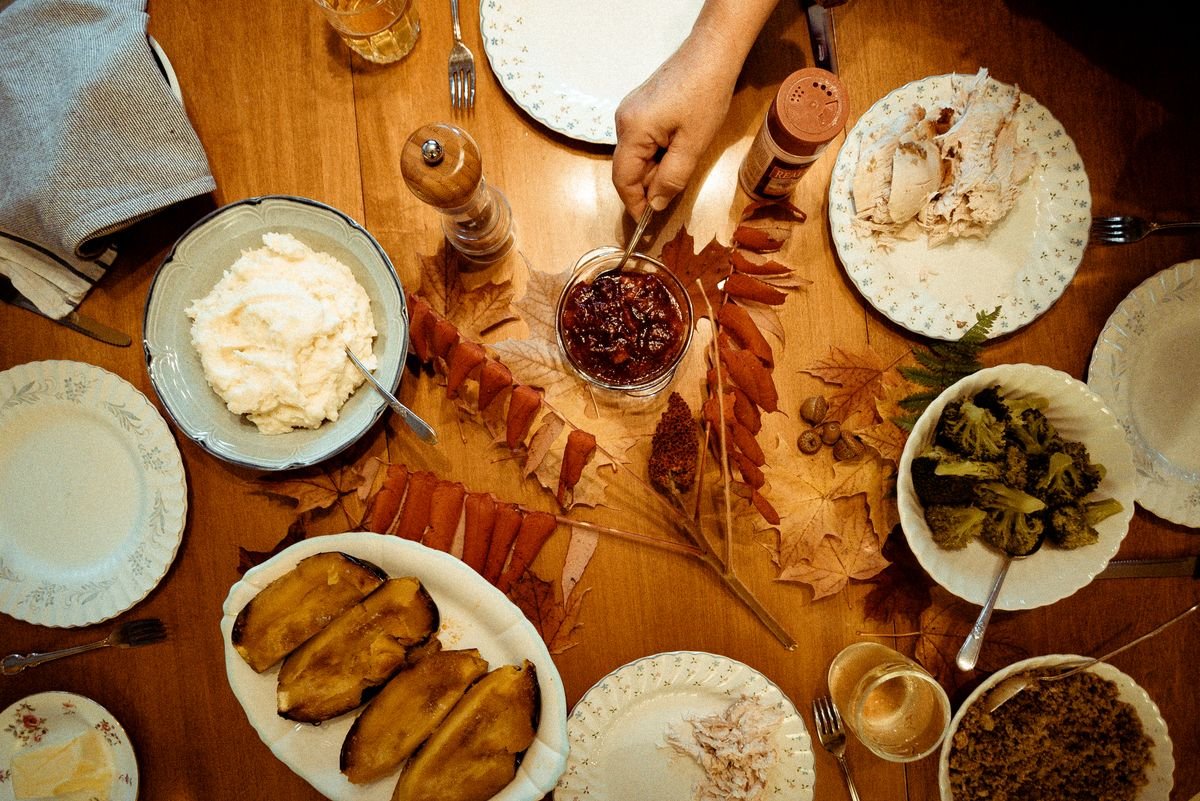
Green bean casserole is a nostalgic Thanksgiving favourite, with tender green beans in a creamy mushroom sauce topped with crispy fried onions. Use fresh or frozen beans for the best texture, and make the sauce from scratch if you have time for a fresher flavour.
Top with crispy onions just before baking for maximum crunch, or add them in the last ten minutes. Green bean casserole can be assembled ahead and baked while the turkey rests. It is comfort food that everyone recognises.
Green bean casserole should use fresh beans blanched briefly, preserving colour and crunch under creamy sauce. Overcooked beans turn grey and soft.
Green bean casserole should have crispy onions added at the end, otherwise they soften in the sauce. Crisp onions are essential to the dish.
Cranberry Sauce from Scratch
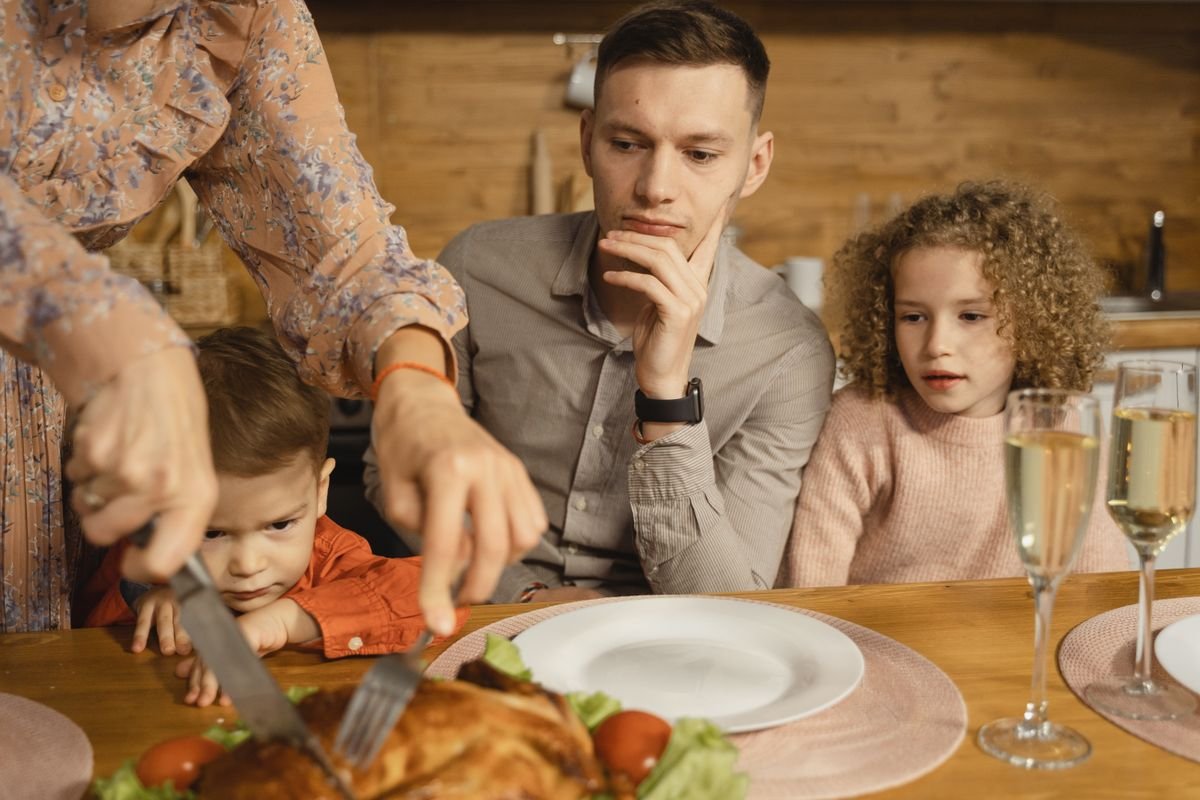
Homemade cranberry sauce is surprisingly easy and tastes far fresher than canned versions. Simmer fresh cranberries with sugar, water and orange zest until they pop and thicken, then cool to set. The sauce is tart, bright and perfect for cutting through rich foods.
For variation, add cinnamon, ginger or a splash of port, but keep the base simple for a classic result. Cranberry sauce keeps well in the fridge for a week, so make it days ahead. It is the bright, jewel-like star of the table.
Cranberry sauce should cool completely before serving, as it thickens considerably while cooling. Hot sauce looks runny but sets as it cools.
Cranberry sauce should be made with fresh orange zest, not juice alone, for bright citrus aroma. Zest gives flavour without extra liquid.
Buttery Dinner Rolls
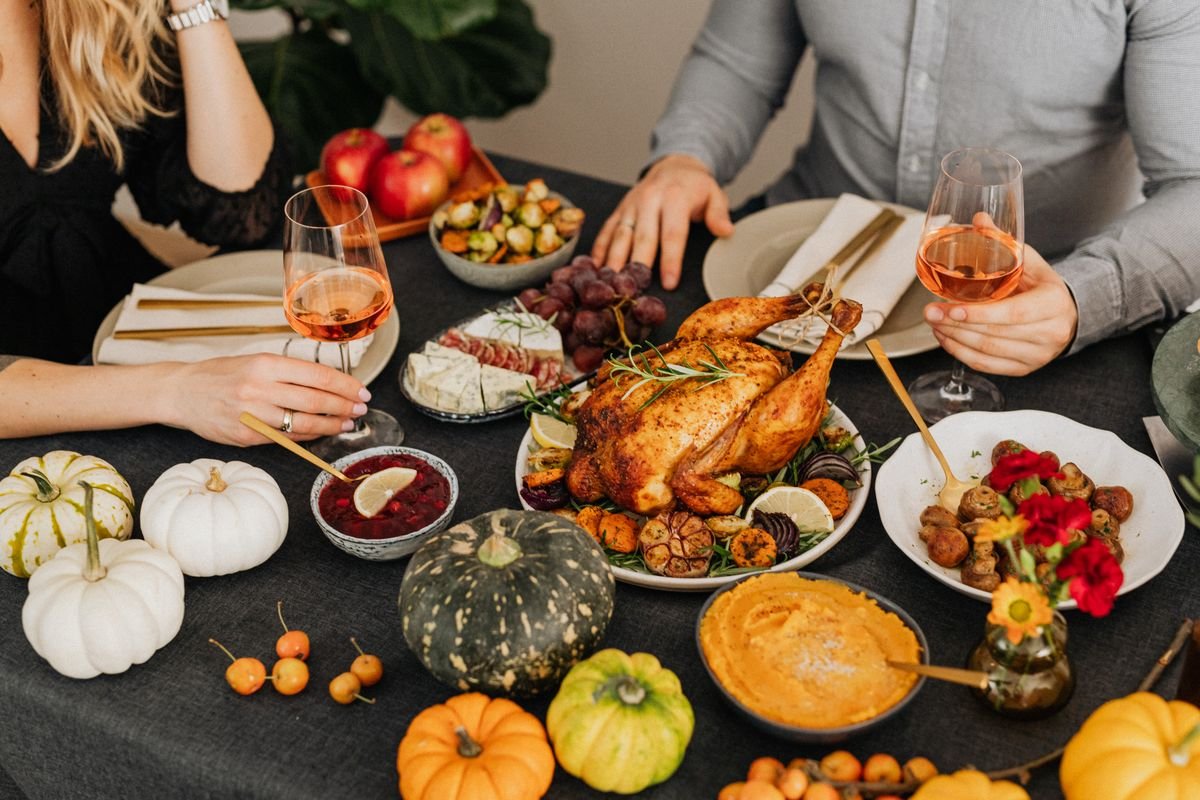
Buttery dinner rolls are essential for mopping up gravy and completing the Thanksgiving table. Use a soft, enriched dough, shape into small rolls, and bake until golden, brushing with melted butter as soon as they leave the oven. Warm rolls make the meal feel like a celebration.
Rolls can be made ahead and frozen, then reheated on Thanksgiving Day for fresh-baked flavour without last-minute work. Serve rolls warm in a cloth-lined basket. No Thanksgiving table feels complete without them.
Dinner rolls should be proved in a warm, draught-free place, otherwise they rise slowly and unevenly. A warm oven with the light on works well.
Dinner rolls should be brushed with butter twice, once straight from the oven and again before serving. Double buttering keeps rolls soft and shiny.
Roasted Butternut Squash
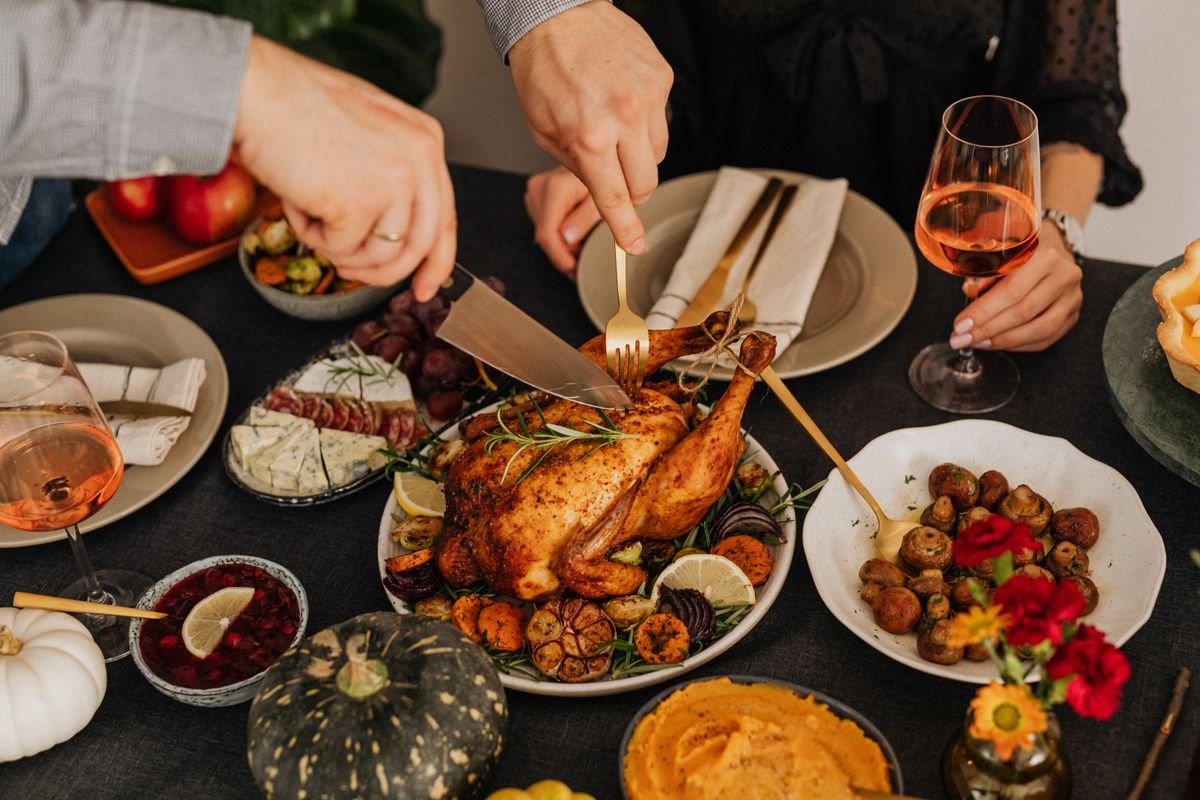
Roasted butternut squash is a sweet, golden side that adds colour and autumn flavour to the table. Peel and cube squash, toss with olive oil, salt and a little maple syrup, and roast until caramelised at the edges. Fresh sage or thyme adds a savoury note.
For extra interest, toss roasted squash with toasted pecans, dried cranberries or crumbled feta after cooking. Butternut squash can be cubed a day ahead to save time. It is a beautiful, healthy addition to a rich spread.
Butternut squash should be cut into even cubes, otherwise small pieces burn while large pieces stay hard. Even cutting ensures even roasting.
Butternut squash should be tossed with herbs after roasting, as fresh herbs burn if added before. Post-roast herbs stay fragrant and green.
Creamed Corn Side Dish
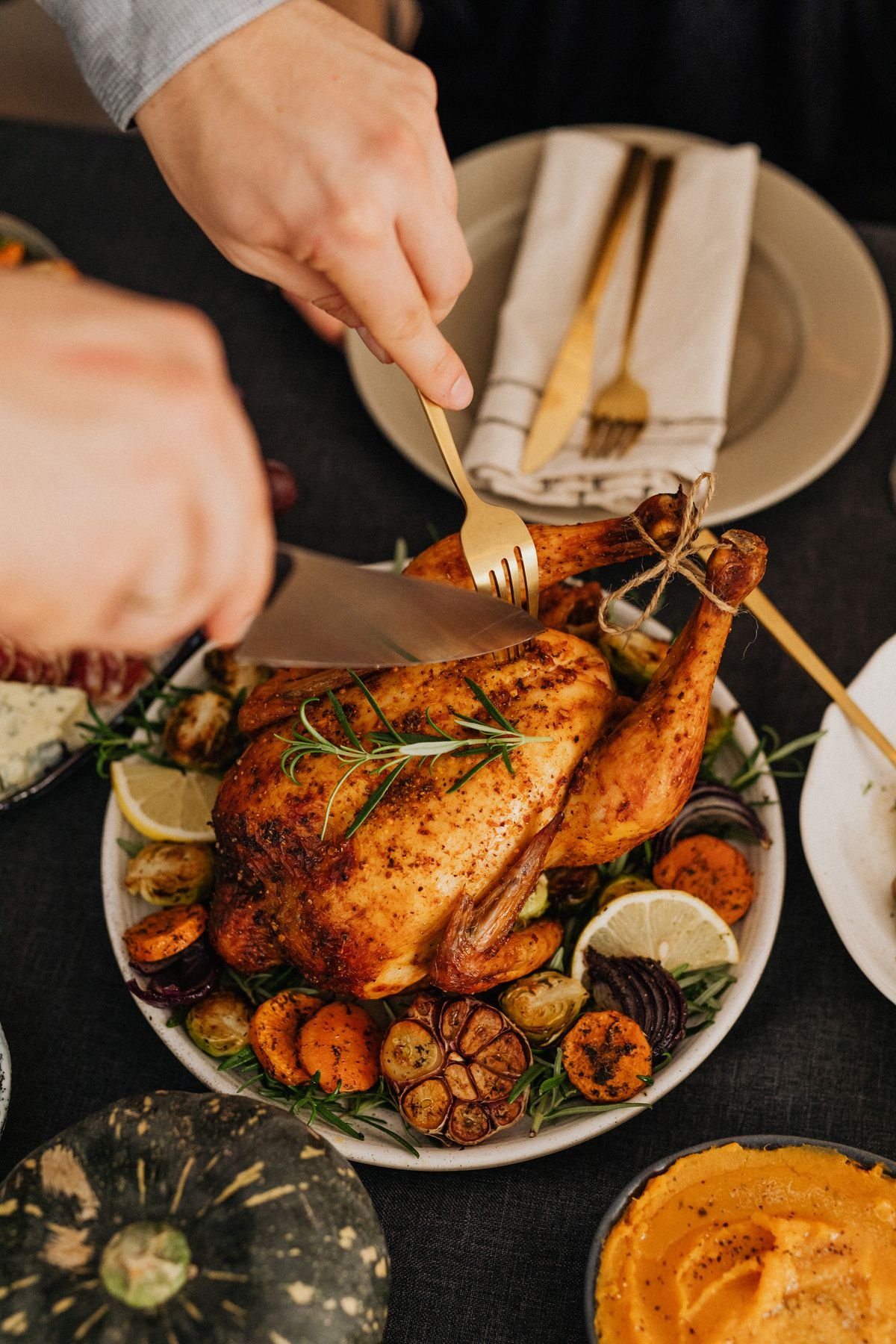
Creamed corn is a sweet, comforting side that children and adults both love, with tender corn kernels in a rich, buttery sauce. Use fresh or frozen corn, simmer with butter, cream and a pinch of sugar, and thicken lightly with flour or cream cheese. The result is silky and indulgent.
For a baked version, combine creamed corn with eggs and breadcrumbs and bake until set and golden. Creamed corn pairs with turkey, ham and roasted vegetables. It is a gentle, crowd-pleasing side for large gatherings.
Creamed corn should be seasoned with a pinch of nutmeg, enhancing sweetness without obvious spice. Nutmeg is the secret ingredient in many corn dishes.
Creamed corn should be made with frozen corn if fresh is unavailable, as frozen corn is picked at peak sweetness. Quality frozen corn works beautifully.
Garlic Roasted Carrots
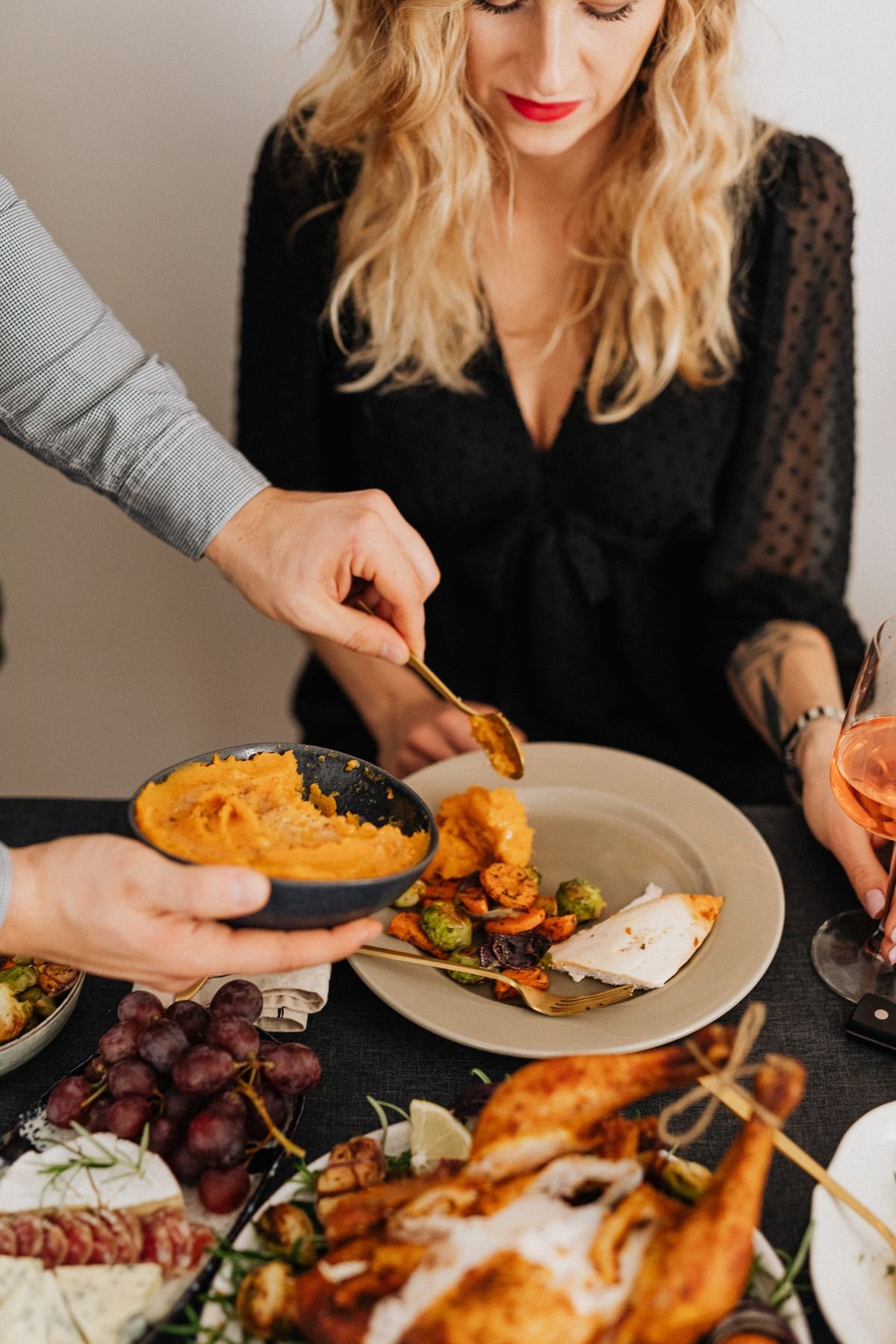
Garlic roasted carrots are simple, sweet and elegant, with caramelised edges and a tender centre. Toss whole or halved carrots with olive oil, garlic and thyme, and roast until browned. A drizzle of honey in the last few minutes adds festive sweetness.
Use rainbow carrots for a beautiful presentation, and garnish with fresh herbs before serving. Roasted carrots can share oven space with other sides while the turkey rests. They bring natural sweetness and colour to the plate.
Roasted carrots should not be crowded on the tray, as crowding steams rather than roasts. Give carrots space for caramelised edges.
Roasted carrots should be garnished with fresh parsley before serving, adding colour and freshness. Parsley also cuts through the carrots’ sweetness.
Macaroni and Cheese
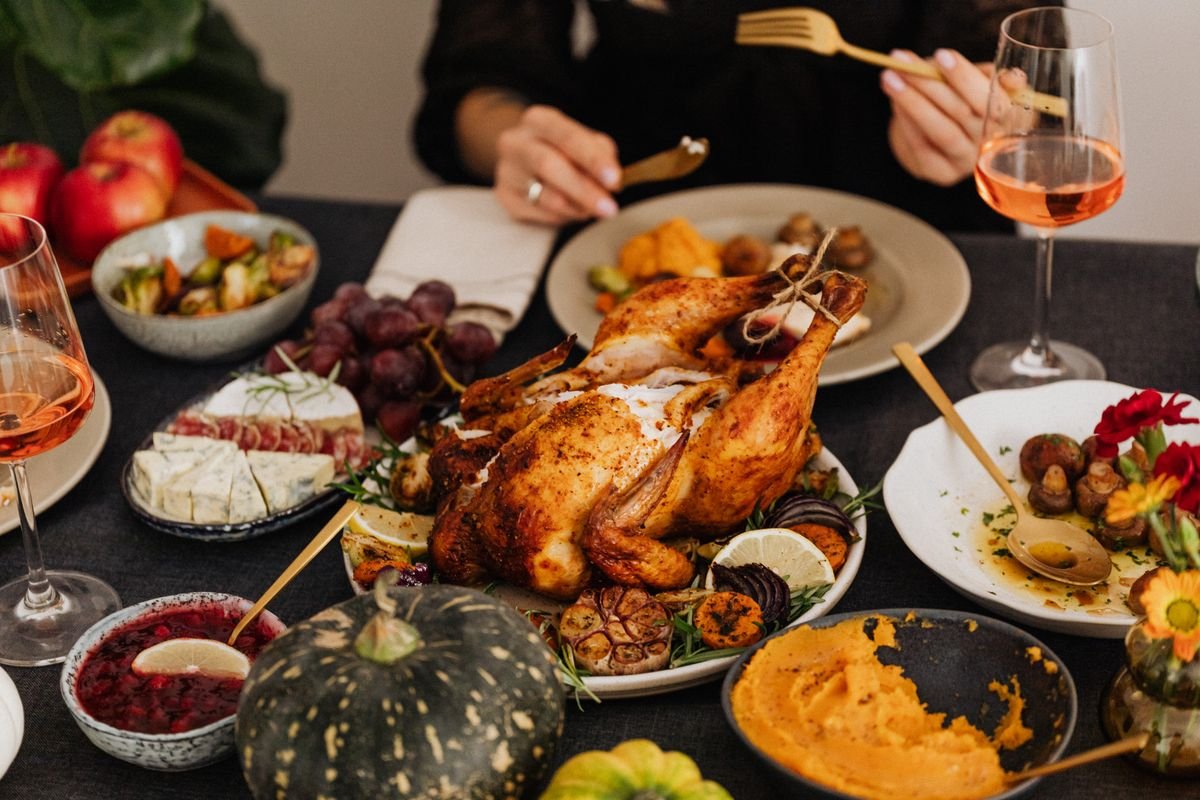
Macaroni and cheese is a rich, crowd-pleasing Thanksgiving side, especially popular with children and comfort-food lovers. Use a mix of cheddar and Gruyère for depth, make a smooth cheese sauce, and bake with a breadcrumb topping until bubbling and golden. The result is creamy inside and crisp on top.
Macaroni and cheese can be assembled a day ahead and baked on Thanksgiving Day. Serve it in a large dish for sharing, as everyone will want seconds. It is indulgent, but Thanksgiving is the perfect occasion for indulgence.
Macaroni and cheese should use a mix of cheeses, such as sharp cheddar and creamy Gruyère, for depth. Single-cheese versions can taste flat.
Macaroni and cheese should rest for ten minutes after baking, allowing the sauce to thicken slightly. Resting prevents a runny, messy serve.
Wild Rice Pilaf
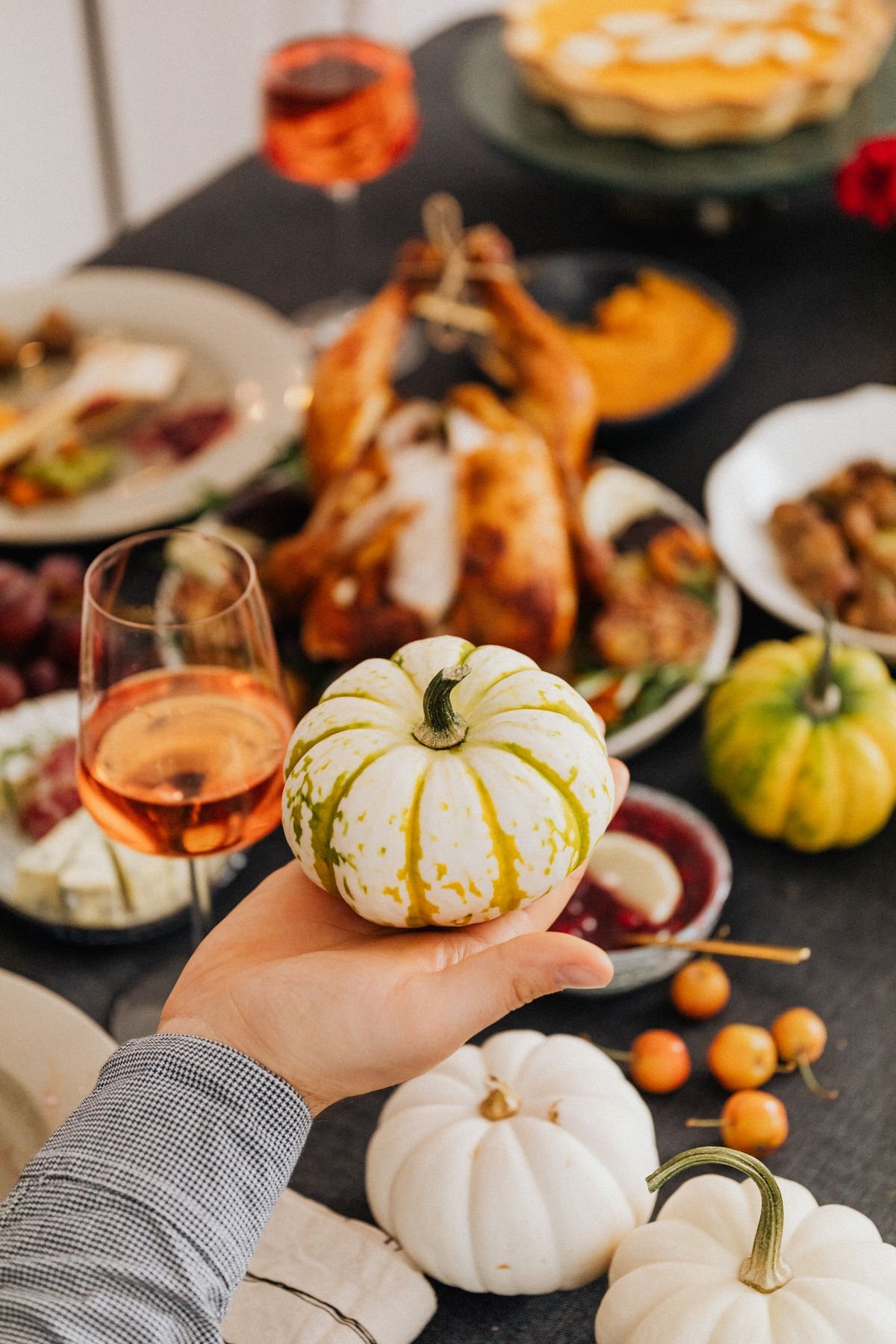
Wild rice pilaf offers a nutty, textured alternative to potatoes and stuffing, with mushrooms, herbs and toasted nuts. Cook wild rice blend according to packet directions, then toss with sautéed mushrooms, onion, celery and fresh herbs. Dried cranberries add festive sweetness.
Wild rice pilaf is naturally gluten-free and can be made ahead and reheated gently. It pairs beautifully with turkey and gravy, and it adds an elegant, earthy note to the table. Toasted pecans or almonds give welcome crunch.
Wild rice pilaf should be fluffed with a fork, not stirred vigorously, to keep grains separate. Gentle fluffing preserves the pilaf texture.
Wild rice pilaf should be cooked with stock, not water, for deeper flavour. Stock transforms plain rice into a savoury, festive side.
Fresh Green Salad
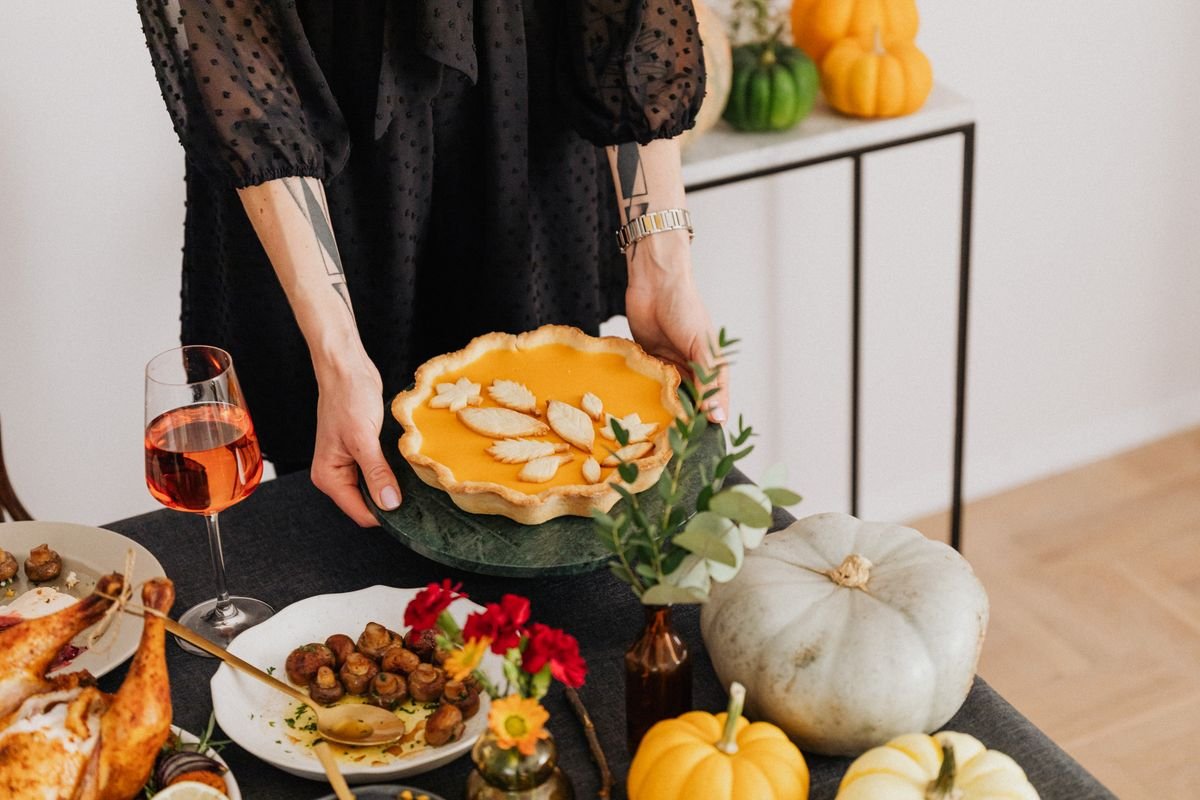
A fresh green salad balances a rich Thanksgiving table, with crisp leaves, tart fruit and crunchy nuts. Combine mixed leaves with sliced pears or apples, toasted walnuts and crumbled goat cheese, then dress lightly with a vinaigrette just before serving. The freshness cuts through creamy sides.
Keep salad simple and do not overdress it, so it stays crisp. A fresh salad also adds colour and lightness to the plate, making the whole meal feel more balanced. It is the side guests appreciate most after several rich dishes.
Green salads should be dressed at the last moment, otherwise leaves wilt quickly under vinaigrette. Dress, toss and serve immediately for crispness.
Green salads should include a crunchy element, such as nuts or seeds, for textural contrast. Crunch makes salads more satisfying alongside soft sides.
Roasted Cauliflower Side
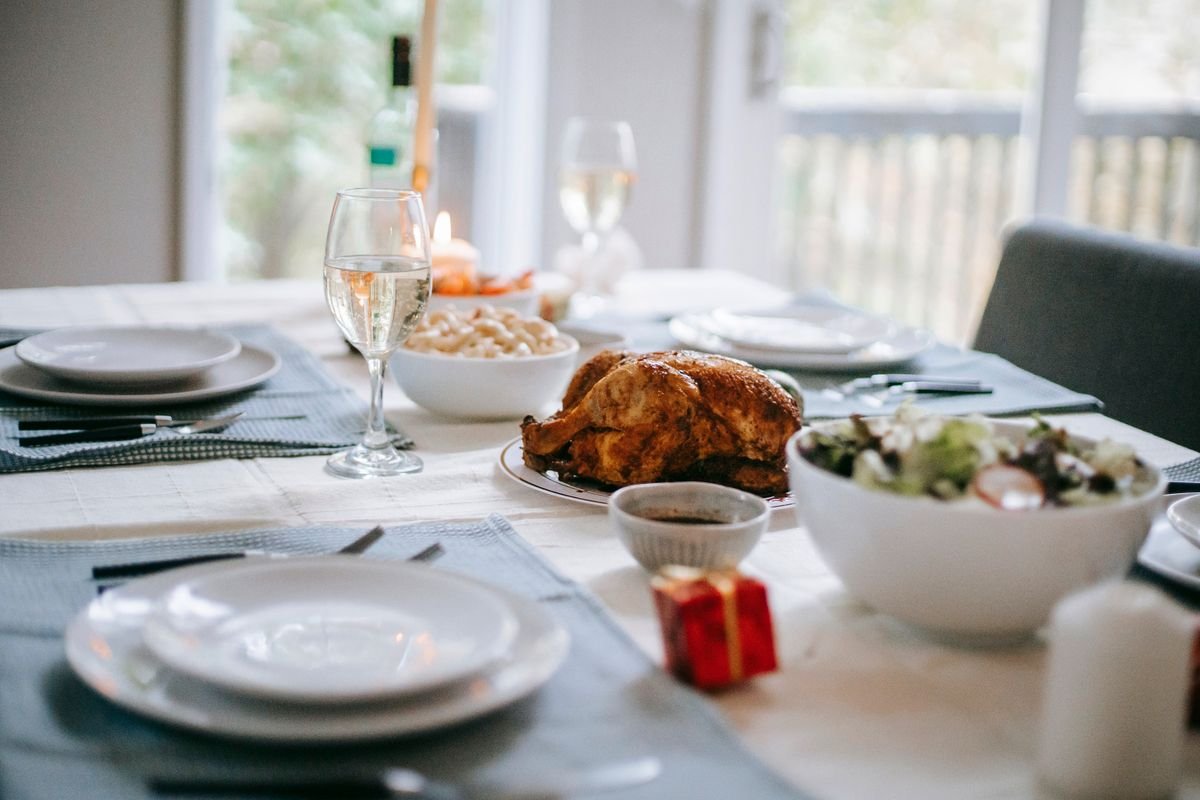
Roasted cauliflower is a modern Thanksgiving favourite, with crispy, caramelised florets and a nutty flavour. Toss cauliflower with olive oil, salt and spices such as cumin or smoked paprika, and roast at high heat until golden. A squeeze of lemon brightens the finished dish.
For a festive version, toss roasted cauliflower with pomegranate seeds, fresh herbs and toasted pistachios. Cauliflower roasts quickly and can share oven space with other sides. It is a light, flavourful addition to a heavy table.
Roasted cauliflower should be turned once during roasting, ensuring even browning on all sides. Turning too often prevents proper caramelisation.
Roasted cauliflower should be served immediately, as it softens quickly if left standing. Crisp cauliflower is best eaten hot from the oven.
Parsnip and Potato Mash
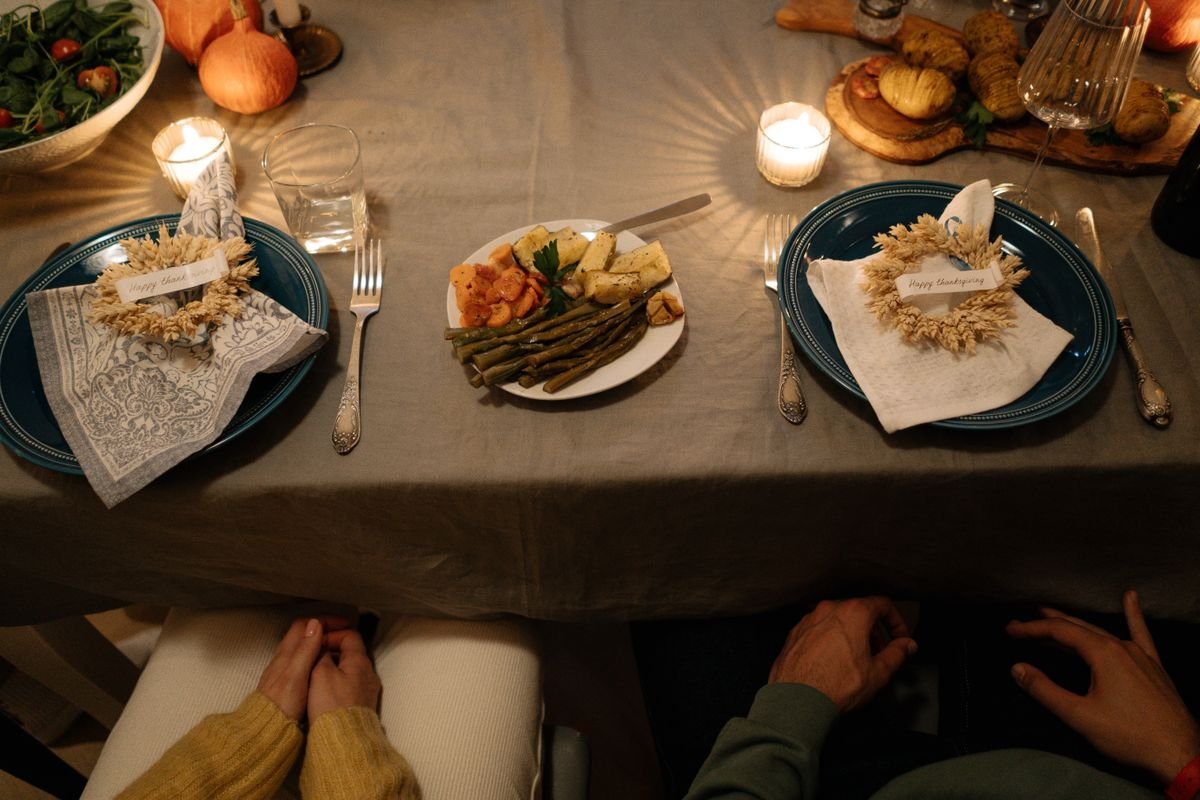
Parsnip and potato mash is a delicious twist on classic mash, with sweet, earthy parsnips adding depth to creamy potatoes. Boil potatoes and parsnips together until tender, then mash with butter, warm milk and a little nutmeg. The result is smooth, fragrant and slightly sweet.
This mash pairs beautifully with gravy and roasted meats, and it offers a subtle change for guests who love traditional sides. Make it just before serving for the best texture, or keep warm in a slow cooker. It is comfort with a twist.
Parsnip mash should use equal weights of parsnip and potato for a balanced flavour, not too sweet or too earthy. Equal ratios work reliably.
Parsnip mash should be seasoned with white pepper, which adds warmth without black specks. White pepper keeps pale mash looking clean.
Stuffed Acorn Squash
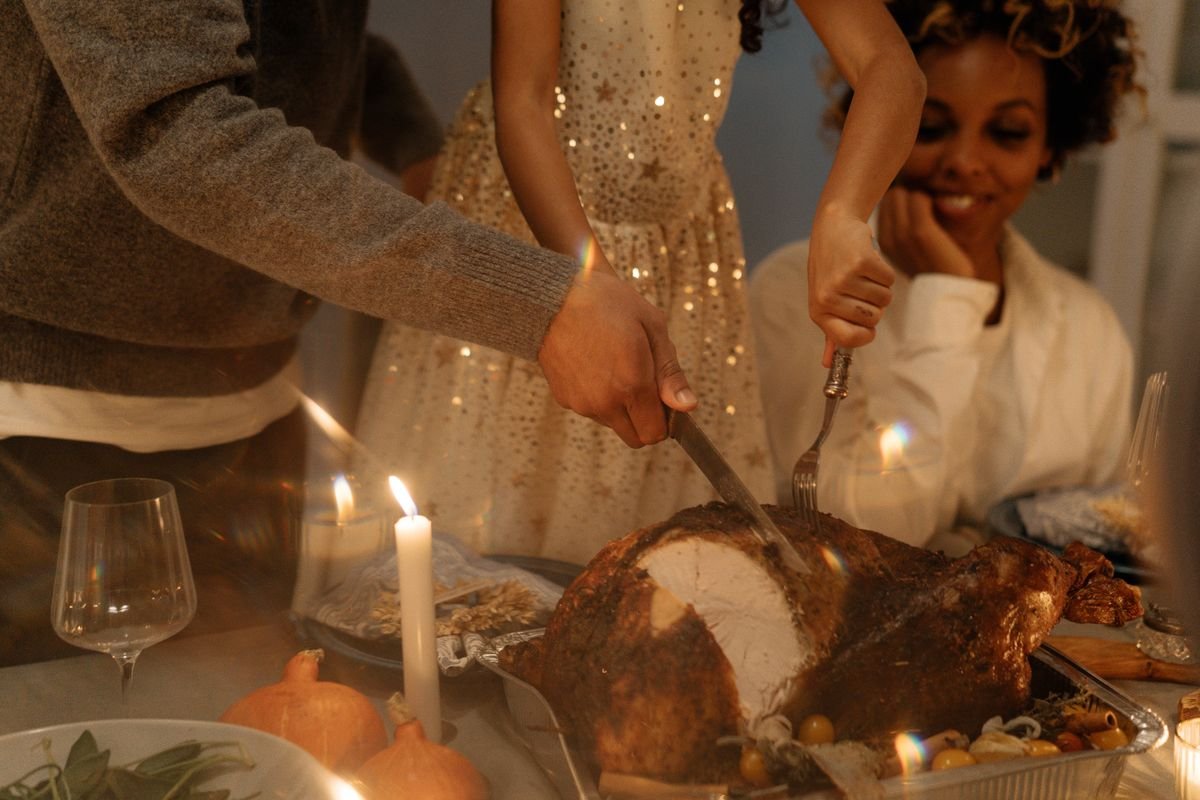
Stuffed acorn squash makes a beautiful individual side, with roasted squash halves filled with a savoury stuffing of rice, mushrooms, herbs and nuts. Roast squash until tender, fill generously, and bake again until heated through and golden on top. Each half is a perfect portion.
Stuffed squash also works as a vegetarian main course, making it ideal for mixed tables. Prepare the filling a day ahead to save time on Thanksgiving Day. The presentation is stunning and festive.
Stuffed squash should be roasted cut side down first, softening the flesh before filling. This pre-roast prevents a hard, undercooked squash base.
Stuffed squash should be served with a spoon, as guests need to scoop filling and flesh together. A spoon makes eating stuffed squash easy and enjoyable.
Cornbread Dressing
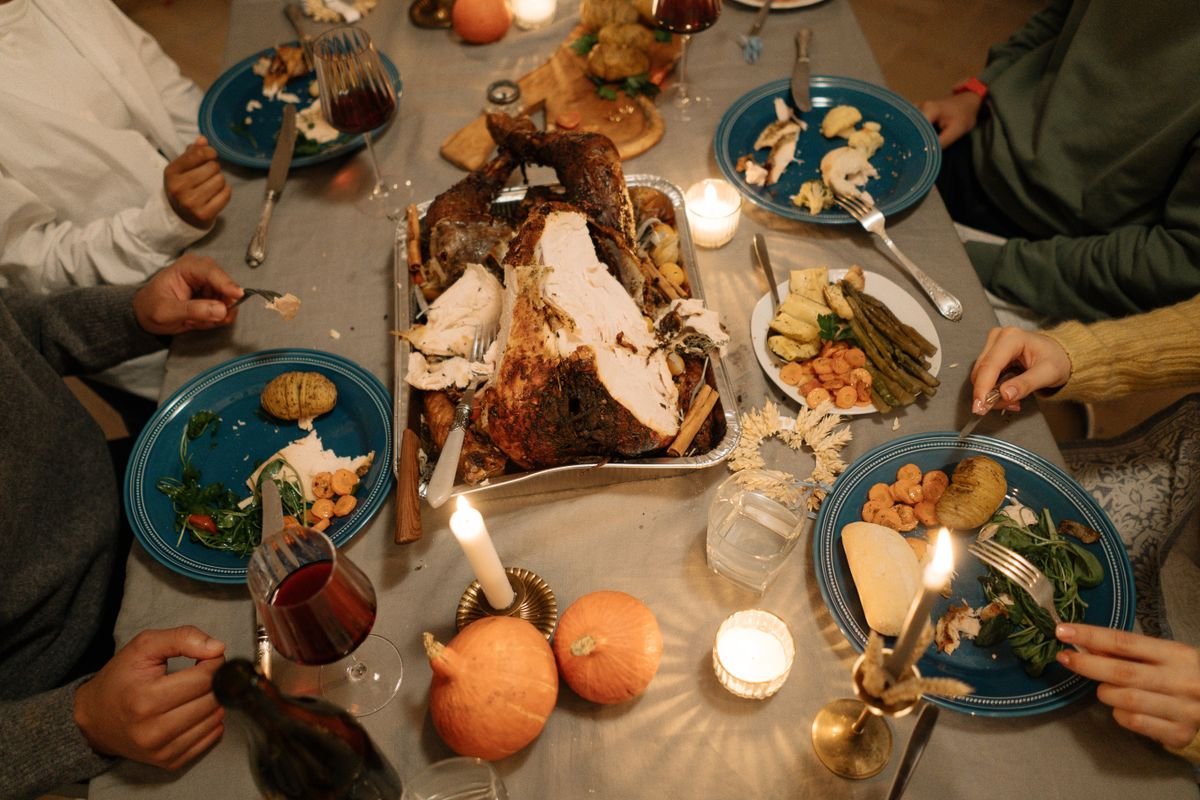
Cornbread dressing is a Southern Thanksgiving classic, with crumbled cornbread, onion, celery and sage baked into a moist, flavourful side. Use day-old cornbread for the best texture, combine with stock and herbs, and bake until crisp on top and tender inside.
For richness, add sausage or mushrooms, but keep the sage flavour at the centre. Cornbread dressing can be assembled a day ahead and baked on the day. It is a wonderful alternative or addition to traditional bread stuffing.
Cornbread dressing should use stale cornbread, which absorbs stock without turning to mush. Fresh cornbread can become soggy in dressing.
Cornbread dressing should be baked in a shallow dish, maximising the crispy top that everyone loves. Deep dishes give too little crisp topping.
Gravy and Cranberry Pairings
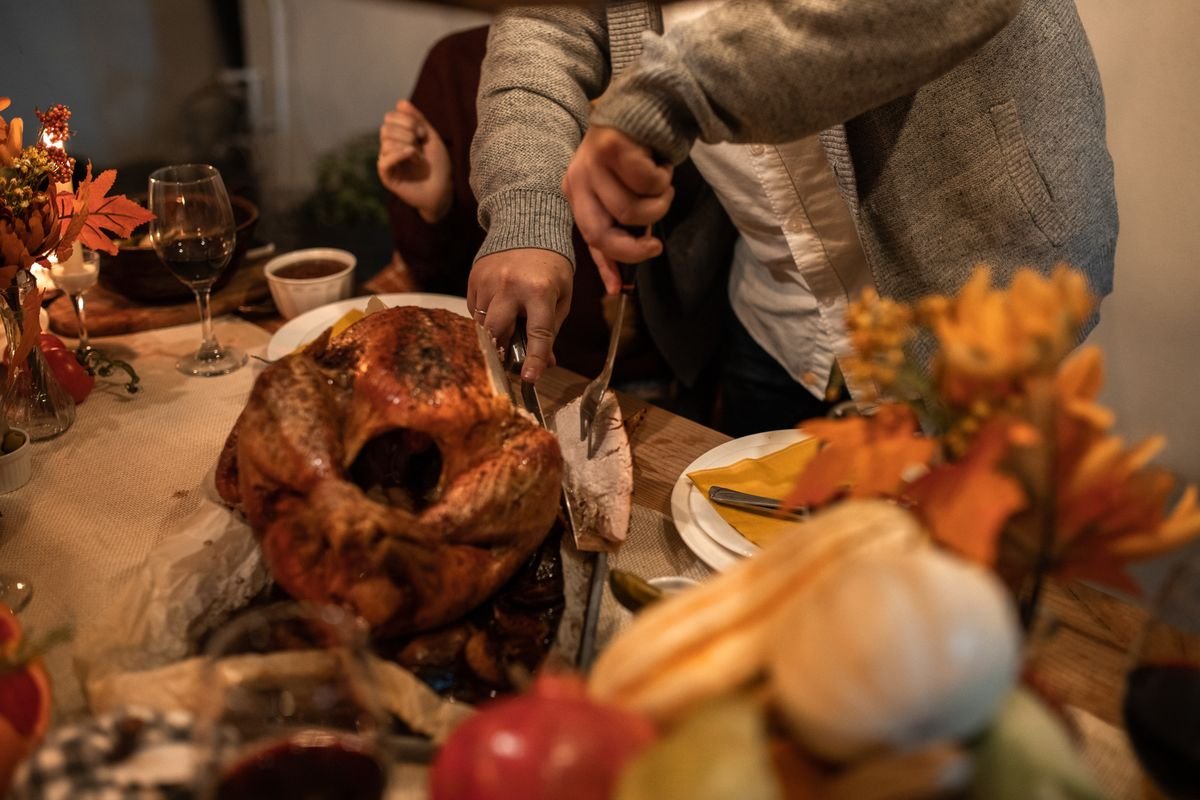
Gravy and cranberry sauce are not sides themselves, but they transform every other side on the plate. Make gravy from turkey drippings, stock and flour, whisking until smooth and seasoning well. Serve cranberry sauce alongside for bright, tart contrast.
Offer both sauces in separate jugs and bowls, so guests can choose their own balance of rich and tart. Good gravy should be smooth, well-seasoned and plentiful. These two accompaniments tie the whole Thanksgiving meal together.
Gravy should be whisked constantly while adding stock, preventing lumps from forming. A smooth gravy needs patience and steady whisking.
Gravy should be kept warm in a jug in a warm oven, not on high heat, which thickens it too much. Gentle warmth keeps gravy pourable.
Make-Ahead Side Dishes
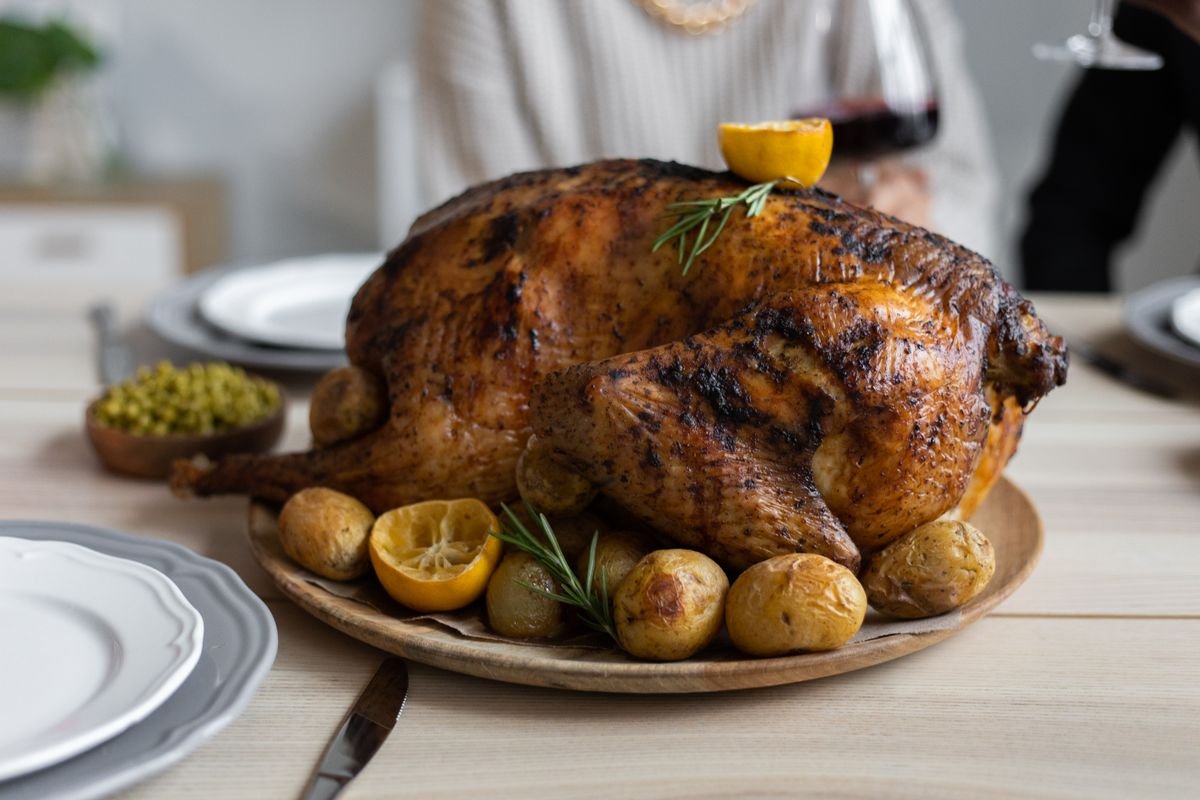
Make-ahead sides are the secret to a calm Thanksgiving, allowing you to enjoy the day instead of cooking frantically. Cranberry sauce, stuffing, sweet potato casserole and salads can all be prepared one to three days ahead, then baked or assembled on the day. Write a timeline and stick to it.
Label dishes clearly, note oven times, and use the turkey resting period for final baking. Make-ahead planning reduces stress, oven congestion and last-minute panic. A calm cook makes for a happier Thanksgiving for everyone.
Make-ahead dishes should be labelled with reheating instructions, avoiding confusion on Thanksgiving Day. Labels save time when many dishes compete for oven space.
Make-ahead planning should include a written timeline, pinned to the fridge, so helpers can follow it. A visible timeline prevents Thanksgiving chaos.
Serving a Balanced Thanksgiving Table
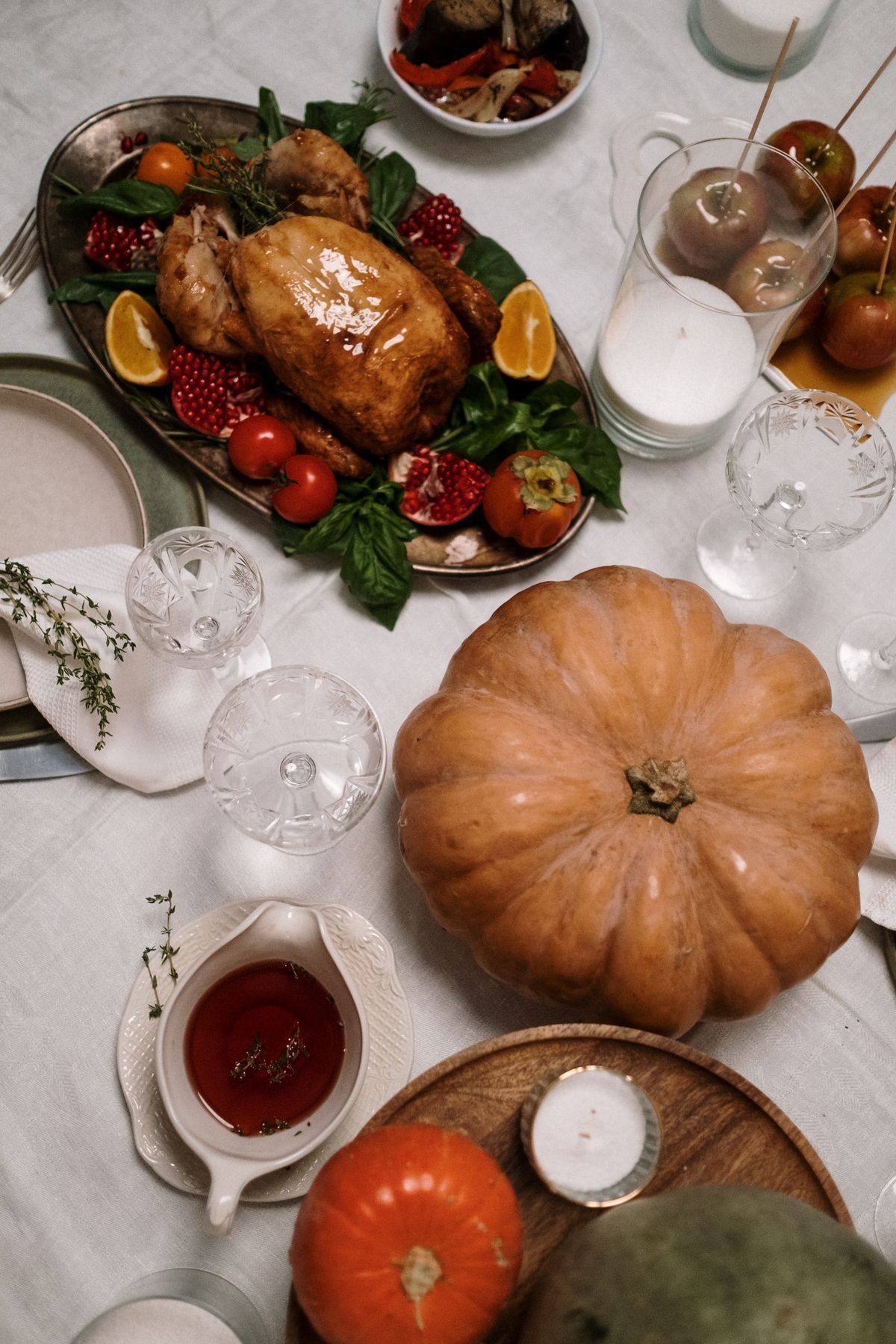
Serving a balanced Thanksgiving table means mixing rich and fresh, creamy and crisp, savoury and sweet. Aim for two potato or stuffing dishes, two roasted vegetables, one fresh salad, cranberry sauce, rolls and gravy, rather than ten heavy dishes. Balance makes every flavour shine.
Serve sides in warm dishes, garnish with fresh herbs, and label anything with allergens. Encourage guests to take small portions of everything, so they can taste the full spread. A balanced table is generous without being overwhelming.
Balanced tables should include at least one bright, acidic side, such as cranberry sauce or salad, cutting through rich dishes. Acidity prevents the meal feeling heavy.
Balanced serving should use small plates for tasting, encouraging guests to try many sides. Small plates make a large spread feel manageable.
Planning Thanksgiving sides starts with your guest list and oven space, not just recipes. Count how many people you are feeding, check dietary needs, and choose dishes that can share oven temperatures or be made ahead. A realistic plan beats an ambitious one that leaves you exhausted.
Timing is the biggest Thanksgiving challenge, so work backwards from serving time and use the turkey resting period wisely. Many sides can be baked while the turkey rests, and slow cookers and warming drawers are invaluable for keeping dishes hot. Write timings down and delegate where possible.
Do not be afraid to mix family classics with one or two new sides each year. Tradition matters, but a new roasted vegetable or fresh salad can refresh the whole table. Ask guests to bring a side if you need help, and accept it graciously.
Above all, Thanksgiving sides should bring people together around a generous, joyful table. Choose dishes you love cooking, enjoy the aromas filling your home, and remember that the meal is about gratitude and togetherness. The sides are delicious, but the company is the real feast.

I am Talha Sikandar, a professional writer with a passion for general blogging. With years of experience in content writing and research, I founded Meaniingly.com to deliver well-researched, informative, and user-friendly articles on diverse topics.